

Scents for each season are fragrance styles matched to spring, summer, fall, and winter so your perfume smells balanced and projects well. Seasonal choices consider heat, humidity, fabric weight, and social settings. At Auremie Perfumes, discovery and sample sets make testing easy for shoppers across Canada and the local area to find a signature fit.
By Auremie Perfumes • Last updated: 2026-05-13
At a Glance
Choose fragrance notes that fit the weather: airy florals and greens for spring, bright citrus and aquatics for summer, richer woods and spices for fall, and cozy ambers, musks, and gourmands for winter. Use lighter concentrations in heat, layer in cooler months, and test with discovery sets before committing.
Seasonal planning is simple once you know how temperature and humidity change diffusion. Hot days make light notes sparkle but can push heavy resins too hard. Cold air mutes projection, so deeper bases last longer. A small, four-bottle wardrobe covers most outfits and occasions without clutter.
- Spring: florals, green notes, soft musks; moderate sillage suits daytime and events.
- Summer: citrus, aquatic, aromatic herbs; lighter sprays and fabric mists reduce overpowering.
- Fall: amber, woods, spice; slightly stronger projection complements layers and knits.
- Winter: resin, vanilla, oud, tobacco; deeper bases last longer in dry, cold air.
- Quick tip: Apply on moisturized skin; dry skin shortens longevity.
Local considerations for your area
- Plan around seasonal wardrobes: light tees and linens favor citruses; wool and coats pair well with woods and amber.
- Test in different humidity: summer stickiness can amplify sweet notes, while winter dryness softens projection.
- Use discovery/sample sets to A/B test wear over a week; your commute and indoor heating/cooling change diffusion.
What are seasonal scents?
Seasonal scents are perfumes selected to harmonize with weather, wardrobe, and occasions across spring, summer, fall, and winter. They balance volatility, projection, and mood so your fragrance feels appropriate—never too heavy in heat or too faint in cold—while matching the character of each season.
Fragrance behaves differently with temperature and humidity. Heat speeds the evaporation of top notes and increases scent lift. Cold slows diffusion but lets base notes linger longer on skin and fabrics. That’s why a sparkling citrus opens brilliantly in July yet may fade fast in January unless it rests on woods or musk.
If you’re new to notes and structures, our primer on fundamentals breaks it down in plain language. For a quick refresher on top, heart, and base evolution, see our guide to perfume notes and how each tier behaves through the seasons.
- Top/Middle/Base structure: openings flash faster in heat; bases anchor better in cold.
- Concentration matters: eau de toilette feels breezy; eau de parfum and extrait feel denser.
- Context counts: office, date night, festivals, and family events call for different intensity.
For our community, the biggest pain point is buying blind online. That’s why Auremie offers discovery and sample sets and a Find Your Scent experience to help you wear-test seasonally before choosing a bottle. Sampling reduces regret and turns guesswork into confident decisions.
Why seasonal fragrance selection matters
Seasonal selection optimizes how a perfume smells on you and around you. Matching notes and strength to climate prevents headaches, improves longevity, and earns more compliments. It also saves time by guiding smarter full-bottle choices after low‑risk sampling and weeklong wear tests.
In warm weather, higher skin temperature and airflow make bright notes bloom, but dense resins can overwhelm at close range. In winter, heavy outerwear and dry air mute diffusion—richer bases project better and last longer on fabric. Strategic rotation keeps your scent trail pleasant in every setting.
Start small. Choose one anchor scent that feels like “you” year‑round, one brighter summer option, and one richer winter option. Then, refine with discovery sets to find a spring daytime favorite. If you ever feel stuck choosing for a specific venue, our occasion-based matching guide shares quick rules of thumb.
- Comfort: avoid cloying sweetness in heat and too‑airy florals in cold.
- Performance: align concentration and number of sprays to climate and venue size.
- Confidence: a balanced trail suits meetings, celebrations, and festivals without overdoing it.
How seasonal fragrance works: notes, concentration, and climate
Fragrance performance depends on note volatility, oil concentration, and environment. Use lighter, volatile notes and fewer sprays in heat; favor denser bases and strategic layering in cold. Test on skin and fabric, then adjust application to control projection, sillage, and longevity.
Think of your perfume as a mix of fast, medium, and slow ingredients. Citrus and leafy greens sprint off the skin first, florals form the body, and woods, musks, and resins linger. Oil concentration (EDT vs. EDP vs. extrait) changes density, while wind, clothing, and humidity determine how far your trail carries. Small tweaks—1–2 sprays in heat, 3–5 in cold—keep the aura right-sized.
Step-by-step: dialing in performance
- Identify the day’s climate: hot/humid, temperate, or cold/dry.
- Match note profile: citrus/greens for warm days; woods/ambers for cool nights.
- Pick concentration: lighter (EDT) for heat; denser (EDP/extrait) for cold.
- Choose application zones: pulse points for intimacy; light clothing mist for wider aura.
- Right-size sprays: 1–2 in heat; 3–5 in cold, spaced out on skin and fabric.
- Wear-test: log 3–4 wears across similar weather before deciding.
| Season | Core notes | Recommended strength | Projection aim |
|---|---|---|---|
| Spring | florals, greens, soft musk | EDT to light EDP | polite, arm's length |
| Summer | citrus, aquatic, aromatic herbs | EDT, cologne, light EDP | sheer, breezy |
| Fall | amber, spice, woods | EDP | moderate, sweater-ready |
| Winter | vanilla, resin, oud, tobacco | rich EDP or extrait | cozy, room-aware |
Most perfumes blend all three tiers of notes. The trick is weighting. In our experience, a touch of neroli or green tea keeps spring scents lively, while a thread of vanilla or benzoin helps winter wear stay plush rather than sharp. If you explore layering, start with our niche layering basics before mixing bolder ambers and woods.
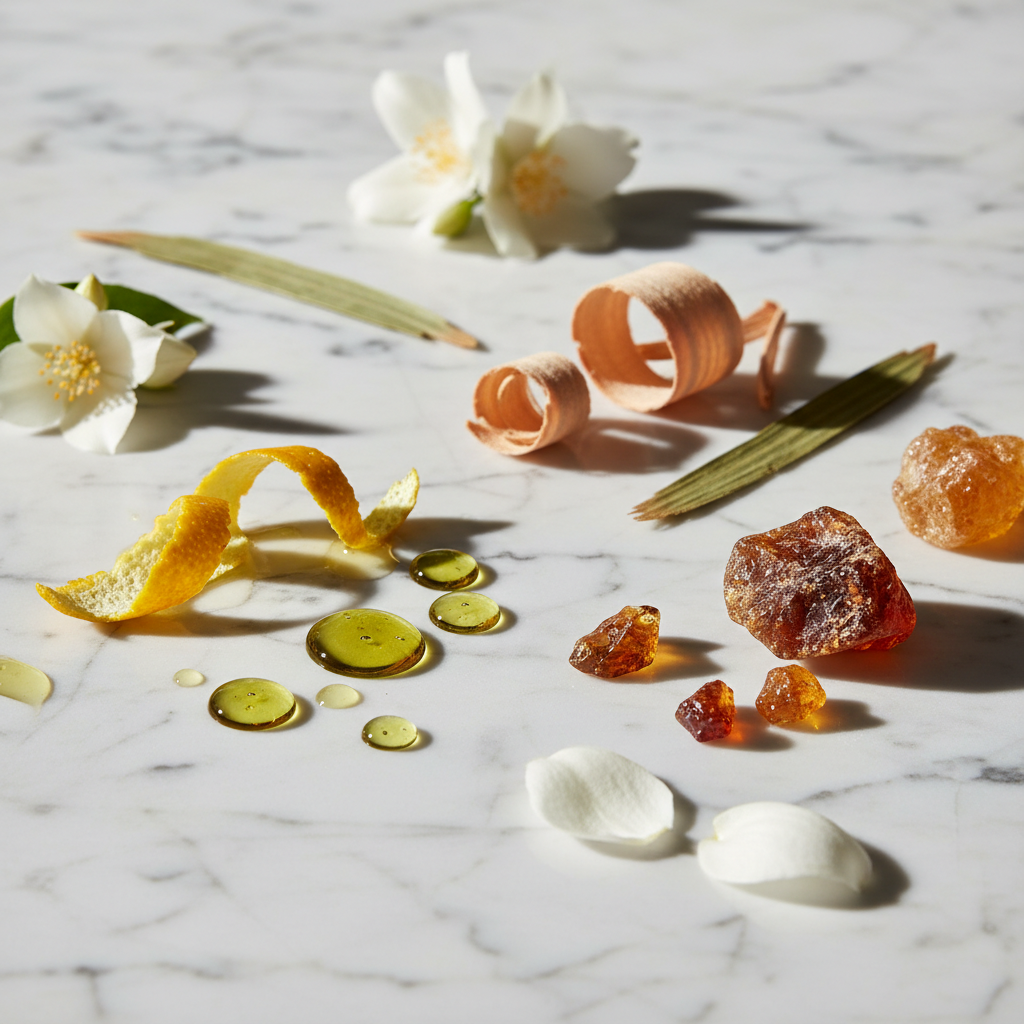
Scents for each season: spring, summer, fall, winter
Build a four-season rotation: luminous florals and greens for spring, zesty citruses and aquatics for summer, spiced woods and amber for fall, and enveloping vanilla, musk, and resin for winter. Test via discovery sets and lock your favorites with a versatile unisex option for year‑round backup.
Here’s a practical way to stock your shelf. Choose one core profile per season, then keep one flexible unisex that bridges shoulder months. If you share bottles at home, a unisex anchor avoids duplication and keeps the wardrobe tidy. For more on balancing styles, see our unisex fragrances guide for friendly, inclusive tips.
Spring: renewal and lift
Spring rewards clarity and movement—fresh air, green parks, longer days. Aim for notes that feel dewy, energetic, and clean without tipping into sharpness. Keep projection polite for indoor meetups and ceremonies.
- Top: neroli, bergamot, green tea
- Heart: jasmine, peony, lily-of-the-valley
- Base: white musk, soft woods
- Style tip: 2–3 sprays, wrist and scarf; avoid overspraying indoors.
- Auremie example: Try a floral‑green from our curated collection, then compare with a musk‑forward unisex pick using a discovery set.
Small details matter. One spray on a light cardigan often carries better than two on bare skin in brisk air. If pollen counts soar, lean into tea and musks over heady white florals for comfort.
Summer: breeze and brightness
Summer heat and UV make citrus and marine notes shine. Light, breezy formulas flourish outdoors and during active days. Keep application higher on the body to avoid overwhelming close company in warm rooms.
- Top: lemon, grapefruit, petitgrain
- Heart: coastal accords, rosemary, lavender
- Base: light woods, mineral musks
- Style tip: 1–2 sprays on collarbone and shirt chest; reapply mid‑day if outdoors.
- Auremie example: Compare a citrus aromatic with an aquatic from our unisex range; note which stays freshest on hot commutes.
If you’ll be outside for hours, carry a travel sample for a one‑spray refresh. Mist clothing from 8–10 inches to create a gentle cloud rather than a concentrated spot.
Fall: warmth and texture
As temperatures drop, denser fabrics and cozier venues invite warmth. Spices, woods, and amber add texture that pairs with knits and jackets. Moderate projection keeps the aura welcoming, not heavy.
- Top: cardamom, dried fruits, maple‑like facets
- Heart: cinnamon leaf, orris, smoky tea
- Base: cedar, amber, suede
- Style tip: 3 sprays on sweater and coat lining; fabrics extend trail.
- Auremie example: Test an amber‑wood with a spiced tea profile from our seasonal releases; log which draws more compliments.
For outdoor events, add one fabric spray on a scarf or blazer. A single mist often outperforms a full respray, keeping balance when moving between cool streets and warm rooms.
Winter: depth and comfort
Cold, dry air softens projection. Rich bases shine, especially under outerwear. Aim for plush comfort with clear edges—vanilla, resin, oud, tobacco—so the scent stays inviting, not flat.
- Top: saffron, clove bud, incense spark
- Heart: rose absolute, cacao, smoky woods
- Base: vanilla, labdanum, oud, tobacco
- Style tip: 3–5 sprays split between pulse points and knitwear; cold air mutes diffusion.
- Auremie example: Compare a vanilla‑amber with an oud‑tobacco from our men’s and unisex lines; choose the one that stays plush, not sharp.
On very cold days, try one controlled spray on coat lining and one on a sweater chest. The fabric bridge ensures you smell present both indoors and outdoors.
Exploring festival or holiday scents? Our seasonal releases are designed for busy calendars. For ideas and timing tips, browse our festival collection overview and plan your rotation around big weekends.
Types, methods, and approaches
Seasonal fragrance strategy blends note selection, concentration, and application method. Use lighter formulas and fewer sprays in heat; layer richer bases and mist fabrics in cold. Rotate between office‑ready, evening‑ready, and festival‑ready profiles to match venues and dress codes.
Most of us need three modes: everyday subtle, evening character, and outdoor freshness. Keep them in the same family to avoid clashes—think aromatic + woody for day to night. If you enjoy structured routines, build a small capsule. For a blueprint, see our capsule fragrance wardrobe guide and adapt it to your climate.
Layering without muddying notes
Layering is powerful when used sparingly. Use 1–2 sprays total and keep families coherent so the blend evolves cleanly.
- Pair a citrus cologne over a vanilla EDP in fall for sparkle with warmth.
- Use a musk skin scent beneath a floral spring EDT to add longevity.
- Try amber under woods in winter to increase plushness under coats.
If you’re curious, we break down simple pairings and avoid‑list combos in our layering guide for niche scents—a helpful primer before mixing gourmet gourmands with assertive ouds.
Skin vs. fabric application
Skin gives the truest evolution; fabric extends the trail. On hot days, skin can push diffusion quickly; on cold days, a fabric anchor helps the aura stay noticeable.
- Skin: truer evolution, closer aura; moisturize first.
- Fabric: longer trail, gentler bloom; spray from 8–10 inches.
- Balance: one spray on skin, one on outer layer for commutes.
Venue-aware choices
Right-size intensity to the room and crowd. A polite arm’s‑length trail suits open-plan offices; lively outdoor settings can handle a breezier cloud.
- Office/class: greens, tea, soft musk; arm’s‑length projection.
- Evening/date: amber, woods, rose/cacao; moderate projection.
- Festival/outdoor: bright citrus, herbals, ozonic; frequent light refresh.
Best practices for choosing and wearing
Test before you invest. Use discovery and sample sets to trial 3–5 scents per season, wear each at least twice in relevant weather, and take notes on projection and compliments. Store bottles away from heat and light, and right‑size sprays to your setting.
Sampling is your shortcut to a dialed‑in wardrobe. Our shoppers routinely find a keeper within a week by testing three morning wears and two evening wears. Track weather, outfit, and compliments to spot patterns quickly. For a deeper comparison of formats, skim sample sets vs. full bottles and pick the path that suits your timeline.
- Use discovery tools: Start with the Find Your Scent experience, then build a seasonal sampler.
- Journal results: weather, outfit, sprays, feedback; patterns emerge in 3–4 wears.
- Edit collection: keep one versatile unisex, one daytime, one evening per season.
- Storage: cool, dark shelf; avoid bathroom heat cycles.
- Skin prep: unscented lotion improves longevity on dry winter skin.
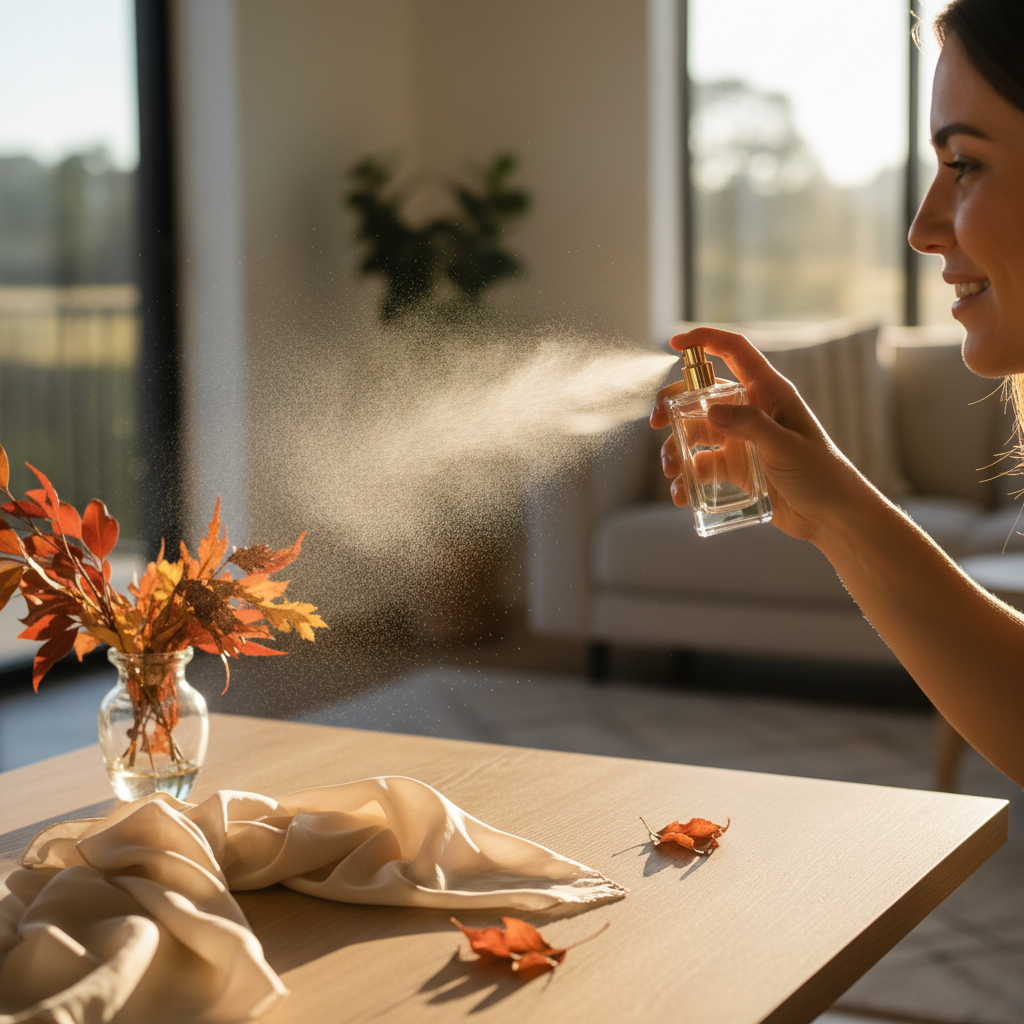
For event days, plan a micro‑refresh strategy. One collarbone spray after stepping out of transit often restores presence without overwhelming the room. If you’re weighing daytime vs. evening options, our occasion guide offers easy decision rules.
Tools and resources from Auremie
Auremie makes seasonal selection simple with a guided Scent Finder, curated discovery and sample sets, and collections for men, women, and unisex wearers. Explore new seasonal releases and gift‑ready options, then lock in favorites with confident, low‑risk decisions.
We built our shop around how people actually test perfume at home. Use Scent Finder to map the notes you already love, then order a discovery set split across the seasons. Keep a couple of travel samples in your bag for mid‑day refreshes, especially in summer. For collection planning help, glance at our curated collections overview to see how seasonal lines connect.
Curious how others built their rotation? Readers often start with an unboxed sampler and a short list from a brand review. For honest, everyday impressions, skim this Auremie review written for shoppers who value longevity and clean diffusion.
Mini case studies: real‑world seasonal wins
Seasonal testing reduces blind‑buy regret and boosts daily confidence. Shoppers who try 3–5 scents per season often keep one versatile unisex as a year‑round anchor, then rotate a brighter summer pick and a richer winter pick based on compliments and comfort.
Case 1: The commuter
Maya works hybrid and bikes on warm days. A citrus‑aromatic unisex misted on her top keeps things fresh at 8 a.m., while a tiny wrist respray after lunch feels clean, not loud. In October, she switches to an amber‑tea profile that pairs with knits and lasts through her evening class.
Case 2: The gift buyer
Devon wants an elegant gift without guessing wrong. They use Scent Finder and order a discovery set split across seasons. Their recipient circles two: a spring floral‑musk for office days and a winter vanilla‑resin for weekends—proof that sampling turns pressure into a personal win.
Case 3: The festival fan
Lina builds a weekend kit with two samples: a breezy citrus for daytime sets and a rosy‑amber for night. She alternates one skin spray with one fabric mist to stay fresh in crowds. Our mood‑matching notes helped her pick profiles that fit upbeat afternoons and slower evenings.
Ready to build your four‑season rotation? Start with our Scent Finder and a curated discovery set. Test across a week and lock your signature for the months ahead.
Frequently Asked Questions
Seasonal fragrance planning is simple: match notes and strength to weather, test with samples, and right‑size sprays to your venue. These quick answers cover the most common questions shoppers ask before choosing a bottle.
How many sprays should I use in summer?
Aim for 1–2 sprays placed higher on the body (collarbone or shirt chest). Heat and airflow amplify diffusion, so lighter application keeps the aura crisp instead of heavy.
What concentration lasts longest in winter?
Richer eau de parfum or extrait concentrations paired with denser base notes (amber, vanilla, resin, oud) tend to last longer in cold, dry air and under outerwear.
Is layering two perfumes okay?
Yes—keep families compatible (e.g., citrus over vanilla, musk under florals) and limit to 2–3 total sprays. Test at home first to ensure the blend stays balanced in your climate.
How do I avoid headaches from strong scents?
Match intensity to venue size and avoid overspraying in heat. Apply to clothing rather than neck for a gentler aura, and sample first to confirm certain notes (e.g., heavy gourmands) suit you.
Key takeaways
Match notes to the forecast, pick the right concentration, and test with samples before you buy. Keep a versatile unisex as your anchor, then rotate a lighter summer and richer winter pick. Store cool and dark, and right‑size sprays for the setting.
- Use citrus/greens in heat; woods/amber in cold.
- EDT for summer ease; EDP/extrait for winter staying power.
- Sample broadly, then shortlist 1–2 per season.
- Balance skin and fabric application for projection control.
Conclusion and next steps
Seasonal scent planning turns confusion into confidence. Test with guided tools, align notes to your weather and wardrobe, and keep one year‑round staple with two seasonal sidekicks. You’ll smell appropriate, memorable, and consistently “you” whatever the forecast.
Build your four‑season lineup today: explore men’s, women’s, and unisex collections, run the Scent Finder, and order a discovery set to confirm your spring, summer, fall, and winter winners. If you’d like a structured path, start with our perfume notes overview and then map your capsule with this simple wardrobe guide.