

Perfume notes are the layers of scent—top, heart, and base—that evaporate at different speeds to create a fragrance’s evolution on skin. This perfume notes guide explains those layers in plain language and shows Canadian shoppers how to use discovery and sample sets from Auremie Perfumes to pick a signature scent with confidence.
By Auremie Perfumes · Last updated: May 9, 2026
Above the Fold: Why Notes Matter + What You’ll Learn
Perfume notes matter because they predict how a fragrance opens, settles, and lasts. Understanding top, heart, and base notes lets you choose scents that fit your style and schedule. Use discovery sets, sample vials, and a guided quiz to test quickly, avoid blind buys, and land on a memorable, long-lasting match.
- What perfume notes are and how the pyramid works
- Why notes change across the first 15–30 minutes, 2–4 hours, and beyond
- How to test using blotters vs skin for real-world wear
- Families of notes: citrus, floral, woody, musk, amber, gourmand, and more
- Actionable sampling plan using Auremie discovery and sample sets
Jump to: What are notes? · Why they matter · How notes work · Note families · Best practices · Tools · Case studies · FAQ
Quick Summary
Think of notes like chapters in a book: bright top notes draw you in, heart notes carry the story, and base notes deliver the lasting finish. Knowing each part helps you predict longevity and sillage, compare samples side-by-side, and choose a scent you’ll actually wear, not just admire on paper.
- Top notes (first 15–30 minutes): citrus, aromatics, light fruits
- Heart notes (2–4 hours): florals, spices, green accords
- Base notes (6–12 hours+): woods, amber, resins, musk
- Sampling is smarter with discovery and sample sets
Local considerations for your area
- Winter shipping across Canada is dry and cold; moisturize skin before testing so notes project and last as expected.
- Hot summer days can intensify citrus and aquatic notes; test outdoors for 5 minutes to gauge real projection.
- For gifts sent cross‑province, choose balanced note pyramids and include a discovery set card so recipients can sample first.
What Are Perfume Notes?
Perfume notes are the identifiable scents in a fragrance organized by evaporation rate: top (fast), heart (medium), and base (slow). They unfold over time—minutes to hours—shaping how a perfume smells at first spray, mid‑wear, and late dry‑down. Understanding these layers improves blind‑buy decisions and daily wear choices.
Notes are not single molecules only; they’re often accords—blends designed to evoke a recognizable idea like “fresh bergamot,” “velvety rose,” or “creamy sandalwood.” Perfumers stack these accords to create lift, body, and depth.
How the pyramid predicts wear
- Top: bright, volatile ingredients that grab attention quickly, then fade (often within 15–30 minutes).
- Heart: the character builders—floral, green, or spicy tones that carry for 2–4 hours.
- Base: fixatives and deep notes (woods, resins, musks) that can linger 6–12 hours or longer.
In our experience guiding shoppers with discovery sets, the heart and base decide long‑term love, while the top creates that first‑spray “wow.”
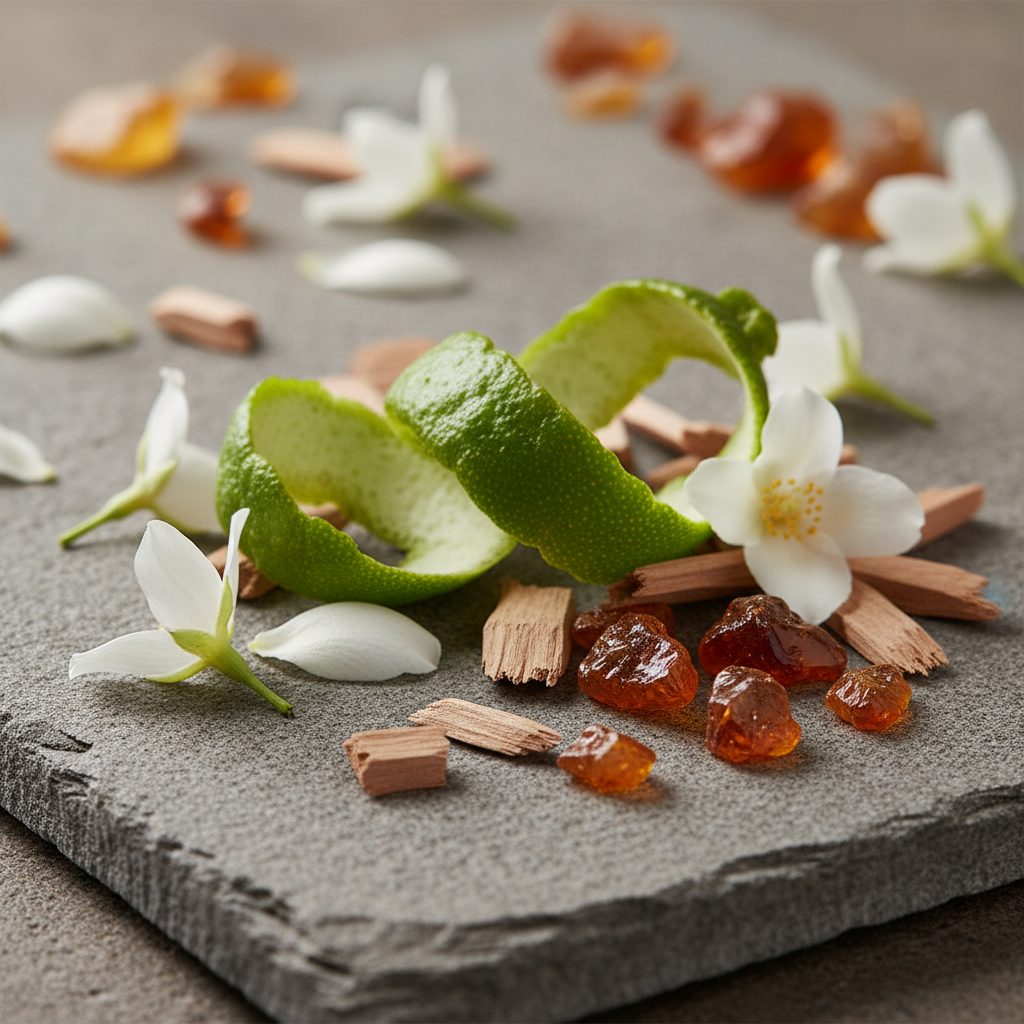
Why Perfume Notes Matter for Real-Life Wear
Notes matter because they forecast performance and vibe: freshness for meetings, warmth for evenings, and trail for special events. Matching your schedule to note evolution—bright open, steady heart, lasting base—helps you choose confidently, reduce returns, and find a signature scent that feels like you in every setting.
Benefits you feel day one
- Predict longevity: Woody, resinous bases tend to last longer than sheer citrus tops.
- Dial projection: Fresh aromatics often radiate early; ambers and musks linger closer to skin later.
- Match occasions: Citrus/green for daytime clarity; florals/spice for dates; amber/woods for nights.
Shoppers tell us that understanding notes cuts decision time in half when using our Find Your Scent guide alongside discovery vials.
Common pitfalls (and fixes)
- Judging too early: Wait 30 minutes for the heart; most regrets come from top‑note snap decisions.
- Over‑spraying at first: Start with 1–2 sprays; concentrate on evolution, not blast.
- Ignoring climate: Dry air mutes; humidity amplifies. Test in your actual environment.
How Perfume Notes Work (Volatility, Skin, and Time)
Notes evolve based on volatility (how fast they evaporate), your skin chemistry, and ambient conditions. Light citrus molecules lift first; mid‑weight florals follow; heavy resins and musks anchor. Test on moisturized skin, track the scent each hour, and compare a blotter to your wrist to spot differences.
While concentration helps, evolution is mostly physics: smaller, more volatile molecules leave first, so the pyramid predictably steps down in weight over time. Your skin’s hydration and temperature influence how strong and how long each phase lasts.
Typical evolution timeline
| Phase | Window | Typical Notes | What to Evaluate |
|---|---|---|---|
| Top | 0–30 minutes | Citrus, herbs, light fruits | First impression, freshness, sparkle |
| Heart | 30–240 minutes | Floral, spice, green, aromatic | Personality, balance, comfort |
| Base | 4–12 hours+ | Woods, amber, resins, musk | Longevity, trail, intimacy |
Note Families and Real-World Examples
Most fragrances blend families—citrus, floral, woody, amber, musk, gourmand, green, aquatic, spicy—to create lift, character, and depth. Knowing which families you enjoy helps you scan pyramids faster and shortlist samples. Try two families side‑by‑side in a discovery set to feel how the base reshapes the same citrus or floral theme.
Citrus and aromatics (bright starts)
- Citrus: bergamot, lemon, grapefruit provide instant sparkle and cleanliness.
- Aromatics: lavender, rosemary, sage add herbal freshness and structure.
- Try it: Pair a citrus‑aromatic with a woody‑amber to learn how bases transform freshness into presence.
Floral and green (the heart builders)
- Floral: rose, jasmine, iris shape elegance, romance, or powdery chic.
- Green: galbanum, muguet, violet leaf feel crisp, grassy, or dewy.
- Try it: Compare a floral‑woody vs floral‑musk to see how bases steer projection and mood.
Woody, amber, musk, and gourmand (the anchors)
- Woods: cedar, sandalwood, vetiver add warmth or dryness to extend wear.
- Amber/resins: labdanum, benzoin, vanilla deliver cozy sweetness and glow.
- Musks: from clean cotton‑like to skin‑soft, they smooth rough edges.
- Gourmand: vanilla, caramel, tonka, cacao offer edible comfort.
To dig deeper into craftsmanship and ingredients, explore our take on premium perfume ingredients and how they influence projection and longevity.

Testing and Best Practices (From Blotter to Daily Wear)
Test three at a time, on moisturized skin, and wait through the heart before deciding. Use blotters to screen quickly, then wear your top two on opposite wrists for a full afternoon. Keep notes on top/heart/base impressions, and revisit the dry‑down next morning before committing.
Your 7‑step sampling plan
- Define the vibe: Daytime fresh, date‑night warm, or office‑friendly understated.
- Start with a discovery set: Curate 5–8 minis across two families you like.
- Screen on blotters: Spray once; label; shortlist three standouts.
- Wear on skin: One spray per wrist, one on inner elbow; don’t rub.
- Track evolution: Note T‑15, T‑60, T‑180 minutes impressions.
- Live test: Wear your favorite to a real activity (coffee run, meeting).
- Confirm next day: Smell fabric cuffs or scarf to judge the base.
Need a shortcut? Our Find Your Scent guide narrows choices in minutes, then you can order discovery and sample sets to validate on skin.
Blotter vs skin
- Blotter: reveals structure and quality; great for early cuts.
- Skin: shows warmth, sweetness, or muskiness unique to you.
- Fabric check: cuffs and scarves record base performance by next day.
Storage and care
- Keep bottles cool, dark, and upright; avoid bathroom humidity and direct sun.
- Cap immediately to reduce top‑note oxidation; spray air from atomizers once monthly if idle.
- Travel with decants; wrap in a pouch to minimize heat and light exposure.
Tools and Resources
Use a guided quiz, labeled blotter strips, a simple testing journal, and a discovery set spanning two note families. Add a wrist/inside‑elbow comparison and a next‑day fabric check. These small tools make sampling faster, clearer, and more reliable than guessing from a single spray.
Practical kit
- Blotter strips and a fine‑tip pen for labeling note families.
- Travel vials or discovery minis for on‑the‑go re‑checks.
- A simple notes app (timestamps for top/heart/base impressions).
- Moisturizer to standardize skin hydration before tests.
Helpful references
- Industry standards: IFRA guidelines for responsible formulation.
- U.S. Start with our Find Your Scent guide to generate a shortlist, then confirm with samples.
Case Studies and Real-World Examples
Sampling wins when you compare families on the same base strength. We see the fastest clarity when shoppers test a fresh citrus‑aromatic next to a warm woody‑amber and a soft musk‑gourmand. The contrast teaches how top brightness, heart character, and base depth reshape the experience hour by hour.
Case 1: The daytime professional
Goal: a crisp, office‑friendly signature. Approach: discovery minis across citrus, green, and light woods. Result: the wearer favored citrus‑woody blends; they projected cleanly for morning meetings and settled into a calm sandalwood base by lunch.
Case 2: The evening socialite
Goal: memorable trail for night outings. Approach: compare floral‑spice vs amber‑vanilla on skin. Result: amber‑vanilla won due to a plush base that lingered subtly on a jacket the next day.
Case 3: The gift buyer
Goal: one safe crowd‑pleaser. Approach: choose balanced pyramids (fresh top, gentle floral heart, smooth woody or musky base) and include a discovery set for swaps. Result: the recipient enjoyed testing and kept the one with the smoothest dry‑down.
For more structured help, see our signature scent guide and an overview of niche fragrances to understand how craftsmanship impacts each note phase.
FAQ: Perfume Notes Guide
Here are quick answers to common questions about perfume notes—how they’re arranged, how long each phase lasts, and how to test. Use these to speed up sampling and avoid returns as you build a confident shortlist with discovery and sample sets.
What are top, heart, and base notes?
They’re the layers of a fragrance organized by evaporation. Top notes appear first and fade fastest, heart notes define the character for a few hours, and base notes provide lasting depth. Smell at 15, 60, and 180 minutes to experience each stage clearly.
How long do perfume notes last on skin?
General ranges: top 15–30 minutes, heart 2–4 hours, base 6–12 hours or longer depending on concentration and skin. Moisturized skin and moderate humidity support better projection and longevity; very dry or very hot conditions can skew those times.
Should I test on blotters or skin?
Both. Use blotters to screen structure quickly and eliminate easy “no’s.” Then wear finalists on skin to judge warmth, sweetness, and muskiness. Check fabric the next morning for a clear view of the base.
How do I pick a safe gift note profile?
Aim for balance: a bright fresh top, a smooth floral heart, and a soft woody or musky base. Include a discovery set so the recipient can compare close options and keep the favorite.
What tools help me choose faster?
Use a guided quiz, labeled blotter strips, a simple notes app for timestamps, and a curated discovery set across two families. This combination consistently leads to clearer, faster decisions than a single quick spray.
Conclusion and Next Steps
Mastering perfume notes turns sampling into a simple system: screen fast on blotters, wear finalists on skin, and decide after the heart arrives. Build a shortlist from two favorite families and confirm with next‑day dry‑down. The result is a signature scent that fits your life, not just your shelf.
Key takeaways
- Notes predict evolution and longevity—judge at 15, 60, and 180 minutes.
- Test three at a time; keep your skin moisturized for consistency.
- Contrast families to learn faster (e.g., citrus‑aromatic vs woody‑amber).
- Use discovery and sample sets to validate before committing.
Explore more with our practical overviews on luxury perfumes and a focused men’s scent guide. Then use the Find Your Scent guide to finalize your picks and order a discovery or sample set for home testing.
Related Articles
Want an even faster path to “wow, that’s me”? Read our signature scent guide and our perspective on niche fragrances to see how craftsmanship and note balance create memorable dry‑downs.