

A fragrance wardrobe is a planned set of scents you rotate by season, mood, and occasion. To build one, audit your preferences, sample widely, then curate 5–8 versatile bottles plus decants for travel. For Canadian shoppers using Auremie Perfumes, discovery and sample sets make testing easy while the Find Your Scent guidance narrows choices fast.
By Auremie Perfumes • Last updated: 2026-05-05
Introduction
A fragrance wardrobe is a curated lineup of scents chosen for different settings—work, weekends, evening events, and seasonal weather. The goal is range without redundancy. Most people succeed with 5–8 bottles covering fresh, woody, sweet, and sensual profiles, plus a few travel-size samples for flexibility and layering.
Think of scent like clothing: you grab different pieces for different days. A well-built lineup minimizes overlap and maximizes wear. In our experience, a balanced wardrobe covers at least four scent families and two strength levels, giving you options for quiet offices and louder, open-air plans. Many readers report using 70–80% of their bottles weekly once they organize by occasion.
For guidance while you read, keep our signature scent guide open in a new tab. It pairs perfectly with this step-by-step approach and helps you avoid buying two bottles that smell almost identical.
Quick Summary
Build your fragrance wardrobe by choosing 5–8 complementary scents that match daily life, climate, and dress code. Start with samples, map gaps by occasion, then upgrade to full bottles you’ll wear at least 2–3 times per week. Organize by season and strength to boost rotation and longevity.
- Target 5–8 bottles across fresh, woody, aromatic, amber/vanilla, and one wildcard.
- Use discovery/sample sets first; upgrade only after 3–5 wear tests per scent.
- Plan for daytime vs. evening and cool vs. warm weather—simple matrix, fewer blind spots.
- Reserve 1–2 slots for special moments (black-tie, anniversaries, major presentations).
- Label decants for gym and travel; you’ll use them 3x more when they’re pre-packed.
Local considerations for your area
- Canada’s long cold season rewards richer woods and amber notes; keep fresh citruses ready for spring/summer weekends.
- Holiday gatherings and festival seasons spike wear time; pre-build a 2–3 scent rotation for these periods.
- Ordering online? Use Auremie’s sampling and guidance so deliveries from Ontario align with your timeline and events.
| Wardrobe slot | Primary purpose | Typical profiles |
|---|---|---|
| Daily driver | Office, errands, school pickup | Fresh aromatic, citrus-woody, light musk |
| Elevated casual | Brunch, casual Fridays, client coffee | Green herbal, soft floral, tea |
| Evening signature | Dinner dates, events, celebrations | Amber, vanilla, spice, smoky woods |
| Sport/travel | Gym bag, flights, commute | Clean musk, aquatic, tonic citrus |
| Wildcard | Creative boost, mood reset | Gourmand twist, resinous incense, unexpected florals |
Before You Start (Prerequisites)
Set clear rules before buying: map your weekly routine, define note preferences, and commit to testing with samples first. List three must-have scenarios (daily, evening, weekend) and two seasonal needs. This simple audit cuts overlap by half and speeds decisions when comparing similar scents.
Preparation makes or breaks a wardrobe. Ten minutes of planning can prevent months of second-guessing. Use these prerequisites as a checklist, then move into sampling with confidence.
Map your real life
- Time audit: estimate how many hours you spend at work vs. weekends and evenings; most readers split 60/30/10 across those buckets.
- Dress code reality: scent projects differently with suits, sweaters, and gym tees; choose strength accordingly.
- Seasonal swing: many Canadian regions spend 5–6 months below room temperature—richer blends shine longer in cold air.
Define likes, dislikes, and sensitivities
- Write 5 notes you love (e.g., bergamot, cardamom, sandalwood) and 3 you avoid.
- Note any sensitivities; subtle musks or tea accords often feel smoother in close quarters.
- Decide on performance: do you want 4–6 hours or 8–10? That guides concentration and layering choices.
Commit to sampling first
- Start with discovery or sample sets; plan 3–5 separate wears per candidate before deciding.
- Test at home, at the office, and outdoors—the same scent can feel 30–40% different by environment.
- Keep notes on opening, heart, and dry-down after 30 minutes, 2 hours, and 6 hours.
To explore across styles without commitment, browse our unisex fragrances guide and curated collections overview. Both help you contrast fresh vs. warm profiles before shortlisting full bottles.
Step-by-Step Process
Build your fragrance wardrobe in seven steps: audit lifestyle, sample broadly, shortlist by gaps, stress-test in real settings, select 5–8 bottles, add travel decants, and organize by season and occasion. This sequence prevents duplicates and raises weekly wear rate across your lineup.
1) Audit your routine and goals
- List top three use cases: daily driver, date-night, and weekend casual cover 80% of wear for most people.
- Decide on your “calling card” (fresh, woody, or ambery) so your choices feel coherent.
- Set a cap on similar bottles: no more than two in the same micro-style (e.g., citrus woods).
2) Sample across categories
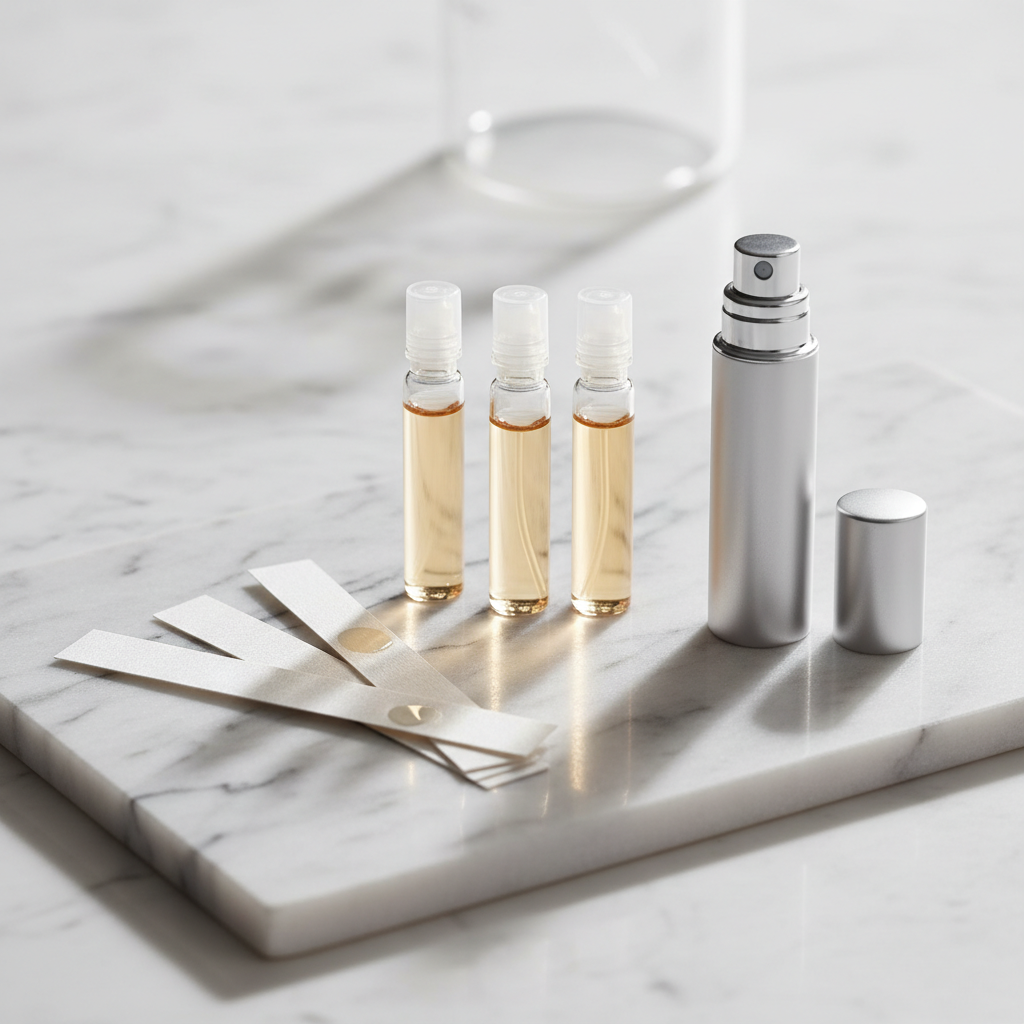
- Use discovery and sample sets to compare 6–10 candidates in under two weeks.
- Spray skin, not just paper; skin chemistry can shift sweetness or smoke by 20–30%.
- Pair blotters with arm sprays so you can re-check openings without overspraying yourself.
Need a place to begin? Our men’s fragrances guide offers structured starting points for fresh office picks and richer evening options. For situational matching, see occasion-based advice in our wear by occasion guide and find energy alignments in the mood matching guide.
3) Shortlist with a gap-first mindset
- Choose one clear winner per slot: daily, elevated casual, evening, sport/travel, and wildcard.
- Only keep a tie if it serves a different season or dress code (e.g., spring vs. winter).
- Eliminate “near-duplicates” by wearing them side by side; small differences often vanish after one hour.
4) Stress-test in real life
- Wear each finalist for a full day; note compliments, projection, and fatigue over 8–10 hours.
- Check performance in the open air (patio, park) vs. indoors; projection commonly drops outdoors by 30%.
- Try it with your usual laundry detergent and lotion—small mismatches can dull sparkle.
5) Select 5–8 bottles plus decants
- Lock your core five, then add 0–3 more for climate or dress code variance.
- Prepare 5–10 mL decants for gym and travel; most users report doubling use of “ignored” favorites once they’re pre-packed.
- Reserve one “wow” scent for major milestones and high-stakes meetings.
6) Organize by season and strength
- Separate warm-weather (citrus, tea, light woods) and cool-weather (amber, leather, smoky woods) rows.
- Group by projection: soft (close to skin), moderate (arm’s length), assertive (room-filling).
- Front-load what you aim to wear 2–3 times per week; rotate weekly to avoid nose fatigue.
7) Maintain, refresh, and retire
- Quarterly review: swap one bottle, add one decant, retire one near-duplicate.
- Track “compliment rate” and personal joy; if a scent earns few smiles, move it to the wildcard slot or layer it.
- Store away from heat and direct light to protect volatile top notes and color stability.
Want personalized picks? Take the quick quiz in our Find Your Scent experience and get a shortlist that fits your lifestyle, season, and dress code. It pairs perfectly with discovery and sample sets so you can test before you commit.
Troubleshooting
If your lineup feels repetitive, identify overlap by wearing suspects side by side and keeping only the clearer performer. If scents vanish fast, increase application points, moisturize first, or layer compatible profiles. If projection is too strong, switch to pulse-point dabs or a lighter concentration.
Problem: Everything smells the same after lunch
- Solution: Test side by side and keep one per micro-style (e.g., only one citrus-cedar daily driver).
- Tip: Reset your nose—smell your sleeve or step into fresh air for 1–2 minutes.
- Layering idea: Add a vanilla or musk base to differentiate similar citrus tops.
Problem: Great in the morning, gone by 2 p.m.
- Solution: Spray on moisturized skin; dryness can shave 20–30% off longevity.
- Technique: Apply 4–6 light sprays on chest, back of neck, and forearms; avoid oversaturating one spot.
- Backup: Carry a 5–10 mL decant for an afternoon refresh; two light mists usually suffice.
Problem: Too loud for the office
- Solution: Use fewer sprays, switch to softer musks or tea accords, or limit assertive scents to after-work hours.
- Guide: Our signature scent guide explains how to tune projection and still feel noticed, not overwhelming.
Advanced Tips (Optional)
Level up your wardrobe with smart layering, seasonal capsule rotations, and decant discipline. Pair bright citruses over smooth musks, swap capsules every 90 days to keep novelty high, and label decants. These habits increase wear frequency and help you rediscover underused bottles.
Layer like a pro
- Build from base to top: start with a soft musk/vanilla, add citrus or green lift, then a tiny spice hit.
- Keep layers within three sprays total; clarity beats volume.
- Test on a day off first—some combos bloom, others blur after 2 hours.
Run seasonal capsules
- Create a four-scent capsule per season: daily, casual, evening, wildcard.
- Rotate every quarter; the novelty bump often restores 20–30% more perceived performance.
- Align with weather: cold loves resin and smoke; heat favors tea, citrus, and light woods.
Organize for action
- Front row = weekly wear; second row = occasional; drawer = decants and samples.
- Use a simple label system so decants don’t become mystery vials.
- Photograph your shelf each season—quick visual inventory prevents accidental duplicates.
If you like exploring across styles, skim our curated collections guide to see how we group moods and occasions, from daytime refinement to festival-forward looks.
FAQ: Building a Fragrance Wardrobe
Start with 5–8 bottles, lead with samples, and match scents to real life and seasons. Refresh quarterly, keep a wildcard for creativity, and organize by strength. This lean, repeatable approach delivers consistency and variety without clutter.
How many bottles do I need to build a fragrance wardrobe?
Most people thrive with 5–8 bottles. Cover daily, casual, evening, sport/travel, and one wildcard. Add or swap two slots seasonally. This balance gives range without redundancy and keeps wear rates high across your lineup.
Should I buy full bottles or start with samples?
Start with discovery and sample sets. Wear each candidate 3–5 times in different settings before upgrading. Skin chemistry and weather can shift how a scent reads, so testing first prevents duplicates and regret.
How do I rotate scents by season?
Use a simple split: lighter citrus, tea, and airy woods for warm months; resin, leather, amber, and smoky woods for colder months. Rebuild a four-scent capsule each season to keep variety and performance high.
What if I want one signature scent instead of many?
That works too. Pick a versatile profile that fits weekdays and weekends, then add a single evening scent for special moments. Our signature guide and discovery sets make dialing this in simple and low-risk.
Can I build a wardrobe with unisex fragrances?
Absolutely. Unisex fragrances often balance freshness with warmth, making them ideal daily drivers. Build your core around adaptable profiles, then add one bolder evening pick to create contrast when you need it.
Additional Resources
Use guided tools and deep dives to refine your lineup faster. Pair a short quiz with discovery sets, review men’s fragrance samples for hands-on testing, and skim gifting frameworks to plan special-occasion slots without guesswork.
Ready to test? Explore targeted guidance in our signature scent guide, then browse real-world testing ideas in our overview of men’s fragrance samples. Planning a surprise for someone special? This gift-sets framework offers practical ways to match profiles to recipient style without guesswork.
Conclusion
The best way to build a fragrance wardrobe is to sample first, select gap-filling winners, and organize by season and occasion. Aim for 5–8 versatile scents plus labeled decants. Review quarterly so your rotation stays fresh, focused, and consistently worn.
- Audit life, not hype—choose scents you’ll wear 2–3 times per week.
- Sample broadly, then commit to 5–8 bottles that cover core scenarios.
- Label decants for gym and travel to boost real-world usage.
- Refresh each season to prevent overlap and nose fatigue.
Key takeaways
- A clear, gap-first plan prevents duplicates and speeds decisions.
- Discovery/sample sets plus a quick quiz deliver faster, better matches.
- Seasonal capsules and smart layering keep interest and compliments high.
Next step: take the quiz in Find Your Scent, explore discovery/sample sets, and start with one high-confidence daily driver. Your wardrobe builds itself from there—one thoughtful wear at a time.