

Perfume longevity is the length of time a fragrance remains noticeable on skin after application. Most perfumes last 4–8 hours, while fabrics can hold scent for 24 hours or more. If you’re asking “perfume — how long does it last,” the answer depends on concentration, application, climate, and storage for Canadian shoppers exploring Auremie.
By Auremie Perfumes • Last updated: 2026-05-15
Quick Summary
Most perfumes last 4–8 hours on skin. Long-wearing blends (often eau de parfum or extrait) and fixative-rich notes like woods, amber, or orris extend wear. To maximize longevity, moisturize first, spray pulse points from 4–6 inches, avoid rubbing, lightly mist fabric, and store bottles in a cool, dark place.
Here’s what you’ll learn in this guide and how it connects to Auremie Perfumes’ discovery-forward approach.
- Typical wear times by concentration (EDT vs EDP vs extrait) and note families
- Application techniques that add 1–3 hours of perceivable wear in real settings
- Climate and skin factors, plus how to adapt for seasons and environments
- Storage practices that preserve scent quality month after month
- How Auremie’s discovery and sample sets help test longevity on your skin
How long does perfume last? The core factors
Perfume lasts 4–8 hours on average, influenced by concentration, application, note profile, skin hydration, and climate. Eau de parfum and extrait often reach full workdays, while light citrus or aquatic styles fade faster. Good prep, smart spraying, and proper storage measurably extend wear.
Longevity varies with chemistry and context. Two people wearing the same scent can experience a difference of several hours. Eau de parfum commonly wears 6–8 hours; eau de toilette averages 3–5 hours; extraits can linger 8–12 hours. Woody, amber, musk, and orris-heavy bases tend to stick longest, while sparkling citrus and green notes peak early.
- Concentration: Extrait > Eau de Parfum (EDP) > Eau de Toilette (EDT) > Cologne > Body mists.
- Notes: Top, heart, and base notes evaporate at different rates; bases often anchor wear.
- Skin: Hydrated skin projects better; very dry skin shortens lifespan by 1–2 hours.
- Climate: Heat boosts projection but accelerates evaporation; cold slows diffusion.
- Application: 2–4 sprays from 4–6 inches, then no rubbing, optimizes distribution.
- Storage: Light, heat, and air degrade perfume faster than regular use does.
In our experience guiding men, women, and unisex shoppers, these fundamentals drive day-to-day results. Auremie’s premium ingredients overview explains why fixatives and resins slow evaporation—useful when you want lasting presence without overspraying.
Before you start: prep, storage, and scent choice
Start with moisturized skin, choose the right concentration for your day, and store bottles away from heat and light. These three steps alone can add hours of perceivable wear and preserve a fragrance’s character over months of use.
Prep and planning matter. Most people focus on the bottle, not the canvas (your skin) or the conditions. Do a quick 60-second checklist before you spray.
- Moisturize first: Apply an unscented lotion or body oil. Hydrated skin slows evaporation and can add 1–2 hours of wear.
- Match strength to schedule: Pick EDP/extrait for all-day meetings; reach for EDT/cologne for brief outings or gym bags.
- Target environment: Office? Keep sillage closer to the body. Outdoor events? Chest and scarf sprays improve lift.
- Store smart: Keep bottles in a cool, dark cabinet. Cap tightly to limit air exposure between wears.
- Test first: Auremie’s discovery and sample sets help you trial projection and wear time on your skin chemistry.
If you like modern elegance that lasts, look for woods, amber, musk, labdanum, patchouli, or orris accents. We cover these note families and their behavior in our signature scent guide.
Step-by-step: make your perfume last longer
Moisturize, spray pulse points from 4–6 inches, don’t rub, and lightly mist fabric. These steps reduce rapid evaporation and improve diffusion, typically extending perceivable wear by 1–3 hours without overwhelming your surroundings.
Follow this quick routine any morning you want all-day scent, and adapt it for different settings (office, travel, evenings out).
- Moisturize the canvas: Use an unscented lotion or light oil on wrists, inner elbows, neck, and chest. Hydration alone can extend wear and soften sharp openings.
- Spray strategically: Hold the atomizer 4–6 inches away. Aim for 2–4 sprays total: wrists (1), neck/collarbone (1–2), and chest (1). Adjust to concentration and venue.
- Skip rubbing: Let droplets settle. Rubbing generates heat and friction, dispersing top notes faster and shortening the arc.
- Lightly mist fabric: One quick pass on a scarf or the inside of a jacket keeps a pleasant aura 12–24 hours. Always test colorfastness and avoid delicate silks.
- Refresh with intent: Pack a travel spray for late-day meetings. One targeted spray to the chest often restores presence without overspill.
Want to layer? Smart combos—like a matching lotion plus your EDP—create dimension and longevity. Our layering primer covers do’s and don’ts in depth in the niche layering guide.
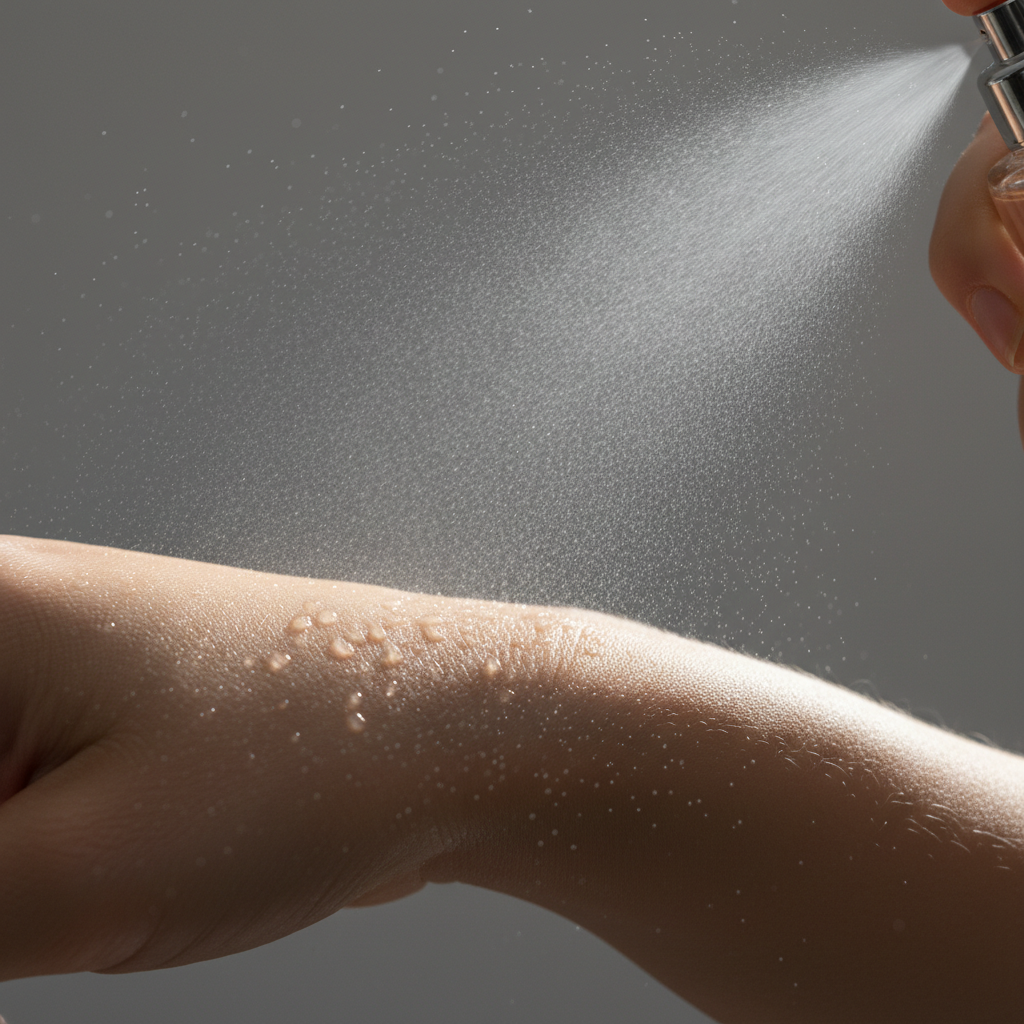
For men dialing in everyday routines, we’ve shared real-world spray maps inside our men’s fragrances guide—useful when you need clarity on office vs. evening settings.
Troubleshooting short wear times
If perfume fades fast, hydrate skin, add one more spray, shift placements to chest/collarbone, and avoid rubbing. Combat nose-blindness with fresh-air resets, not coffee beans. In heat or wind, prioritize torso sprays to keep scent closer and longer.
Even strong compositions can seem faint in the wrong conditions. Here’s how to isolate the issue and fix it quickly.
- “Gone in an hour”: Moisturize, then add 1–2 sprays. Try moving one wrist spray to the chest where heat rises more evenly.
- Heat and humidity: High temps boost early projection but shorten total wear. Target collarbone/chest and skip hair and wrists for less rapid diffusion.
- Cold, dry days: Dry air flattens lift. Pre-moisturize and consider a richer profile or EDP/extrait for 2–4 extra hours.
- Nose-blindness (olfactory fatigue): Don’t rely on coffee beans; step outside or into a neutral-smelling room for a minute to “reset.”
- Sensitivity or irritation: Spray on clothing or a scarf instead of skin, and avoid freshly shaved areas.
If you’re consistently underwhelmed by wear, you may prefer fixative-forward profiles. We explore ingredient choices that naturally linger in our ingredients explainer.
Advanced tips for power users
Pair matched body products, use an occlusive base (a dab of unscented balm), and choose fixative-rich notes (amber, woods, orris). These strategies can add hours of wear while keeping the trail controlled and refined.
When you want staying power without volume, think “anchors” and “edges.” Anchors slow evaporation; edges shape projection. Small tweaks go a long way.
- Layer with intention: A matched lotion + EDP extends the curve. Keep external layers (scarves, sweaters) lightly misted for a gentle halo.
- Use an occlusive base: A small, unscented balm on pulse points creates a barrier so fragrance evaporates more slowly.
- Favor fixatives: Amber, woody musks, vetiver, patchouli, labdanum, and orris naturally persist. If you love the orris scent profile, expect a graceful, steady dry-down.
- Control projection: Place more sprays on the torso and fewer above the neck when you want long wear without a loud trail.
- Seasonal rotation: In winter’s dry air, choose EDP/extrait and moisturize more. In peak summer humidity, use fewer sprays and prioritize torso placements.
Curious how to plan a flexible rotation? This topic pairs well with building a small wardrobe—see our perspective in the fragrance wardrobe primer.
Comparison: concentration, notes, and expected wear
Extraits often wear 8–12 hours, eau de parfum around 6–8, and eau de toilette roughly 3–5. Fixative-rich notes (woods, amber, musk, orris) extend wear, while light citrus or aquatic accords shine early but fade sooner. Placement and storage fine-tune these ranges.
| Type | Typical skin wear | Suggested sprays | Best use | Notes |
|---|---|---|---|---|
| Extrait | 8–12 hours | 1–3 | Long days, evenings | Dense; keep to torso for refined aura |
| Eau de Parfum (EDP) | 6–8 hours | 2–4 | Workdays, social | Balanced power and nuance |
| Eau de Toilette (EDT) | 3–5 hours | 3–5 | Casual, daytime | Bright, airy signatures |
| Cologne | 1–3 hours | 3–6 | Post-gym, quick outings | Invigorating, fast-fading |
Note families influence these windows. Woods, amber, musk, and orris commonly extend wear beyond the midpoint; citrus, green, and some aquatics lift early, then recede. We expand on how concentration and composition interact in our EDP longevity deep dive.
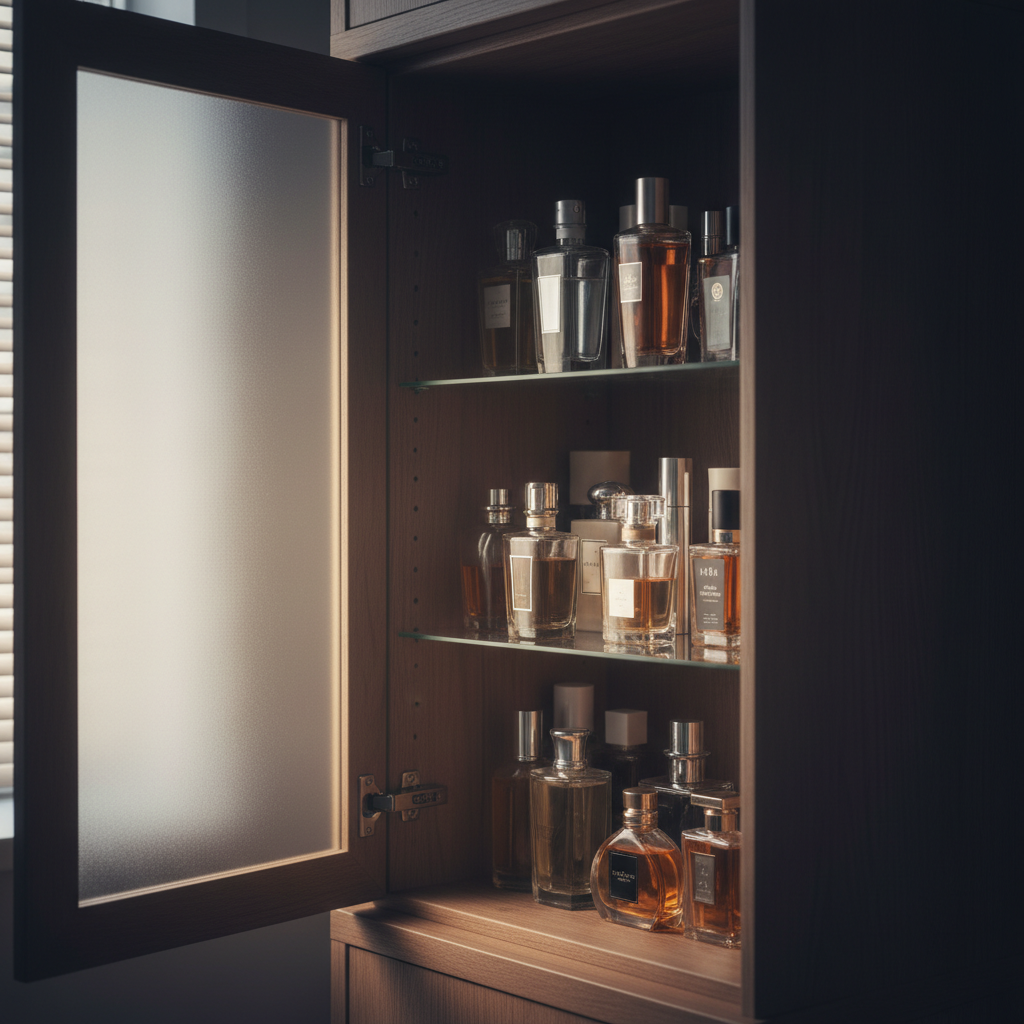
Good storage protects both longevity and color over time. We discuss craft choices and bottle care in our craftsmanship and care overview.
Want tailored, long-wearing picks? Try Auremie discovery and sample sets to test projection and wear time on your skin. Our guidance helps you lock in a signature that lasts through real days.
Not sure where to start? Browse the Find Your Scent guide for curated men’s, women’s, and unisex options.
Local considerations for your area
- Cold, dry seasons: Canadian winters are drier indoors; moisturize more and consider EDP/extrait so scent doesn’t flatten by mid-morning.
- Summer humidity: Use fewer sprays and favor torso placements to keep projection pleasant during heat waves and outdoor events.
- Shipping and storage: When your order ships from Ontario, let bottles rest at room temperature before first spray if they arrived very cold or warm.
Frequently Asked Questions: perfume longevity
Eau de parfum often lasts 6–8 hours, while extraits can reach 8–12. Fast-fading wear usually traces back to dry skin, light note profiles, hot weather, or rubbing after spraying. Hydration, smart placement, and cool, dark storage noticeably improve results.
How long does eau de parfum last on skin?
Most eau de parfum compositions project well for 6–8 hours, depending on skin hydration, climate, and note structure. Rich bases (woods, amber, musk, orris) stretch wear, while very light citrus styles recede earlier.
Is it better to spray perfume on clothes or skin?
Both work. Skin develops a natural arc, while fabric can hold scent 12–24 hours. Test on an inside seam first and avoid delicate silks. Combining one torso spray on skin with a light scarf mist balances evolution and endurance.
Why does my fragrance seem to disappear?
Dry skin, heat, wind, and very airy note profiles reduce wear. Hydrate first, avoid rubbing, move a wrist spray to the chest, and consider an eau de parfum or extrait with woody or amber bases.
How many sprays should I use for work?
Two to four is a good baseline. Place more on the torso (chest, collarbone) for subtle presence and fewer above the neck. Adjust to concentration, office size, and ventilation.
Does storage really affect longevity?
Yes. Heat, light, and repeated air exposure break down aromatic compounds faster. Store bottles in a cool, dark cabinet and keep caps tight. This helps preserve color, top-note sparkle, and overall wear time.
Conclusion and next steps
Longevity comes from the right blend, thoughtful prep, and mindful placement. Moisturize, aim 2–4 sprays at pulse points and torso, avoid rubbing, lightly mist fabric, and store in the dark. Sample first to confirm all-day wear on your skin.
Here are the key takeaways and simple actions to apply today.
- Key takeaways: EDP/extrait last longer; fixative notes help; prep and storage matter as much as the bottle.
- Action steps: Try a discovery or sample set, test placements over a week, and note which combos deliver 8-hour confidence.
- Keep exploring: Learn about seasonal choices in our seasonal scent guide and deepen note knowledge in the notes explainer.
If you’re refining a fragrance wardrobe, you may also enjoy our perspective on signature-worthy picks and how to evolve your rotation across work, weekends, and special moments.
Additional resources
Build skill in minutes: read a deep dive on EDP wear time, skim a layering checklist, and review ingredient fixatives. Together these resources help you pick scents that last and apply them with confidence.
For deeper learning, pair this article with three focused reads that reinforce techniques and choices:
- Explore how concentration affects wear in the EDP longevity guide.
- Organize your rotation with the fragrance wardrobe primer.
- See selection philosophy in action in our brand overview.