

Niche perfume is fragrance created by independent or specialized houses that focus on artistry, premium ingredients, and distinctive scent profiles rather than mass appeal. It emphasizes originality, richer materials, and longer wear. For Canadian shoppers exploring online, sampling with discovery and sample sets is the smartest way to find a signature scent without blind buying.
By Auremie Perfumes • Last updated: June 7, 2026
Above the fold: why this guide matters + what you’ll learn
This complete guide explains niche perfume in plain language and shows you how to test like a pro using discovery and sample sets. You’ll learn what makes niche different, how concentrations affect performance, how to structure a sampling routine, and which resources speed up the journey to a signature scent.
Navigating niche can feel overwhelming—notes, concentrations, performance claims, and endless opinions. We bring it back to the practical steps that help you choose confidently at home, using Auremie’s discovery tools tailored for Canadian online shoppers.
- What niche perfume means—and how it differs from mass-market designer releases
- Why sampling beats blind buys and in-store rush testing
- How concentrations (parfum, eau de parfum, eau de toilette) influence longevity and projection
- Simple, repeatable sampling routine you can do in under a week
- How Auremie’s Discovery Sets, Sample Sets, and Find Your Scent guide reduce guesswork
- Layering basics, including a quick nod to the pillar topic: the nuanced orris scent
What is niche perfume?
Niche perfume refers to fragrances crafted by specialized houses that prioritize artistry, premium ingredients, and distinctive signatures over mass-market trends. These scents often feel more characterful, use richer materials, and are released in smaller, curated collections with a focus on storytelling and longevity.
When people say “niche,” they usually mean smaller-batch creators who obsess over formulas and aesthetics. Instead of aiming for everyone, niche brands focus on depth, originality, and wear experience. You’ll notice more unusual notes, bolder accords, and clear creative direction.
- Creative vision first: Niche compositions lean into a theme—woods in winter, ambered florals at dusk, or a radiant citrus that lasts.
- Premium materials: Expect naturals (like orris butter, oud, citrus oils) blended with modern aroma-molecules for lift and long wear.
- Curated releases: Fewer drops, clearer concepts. This helps shoppers understand the intent and mood faster.
- Discovery-friendly: Many niche houses encourage sampling before you commit so you can see how a scent behaves over hours.
Here’s the thing: body chemistry, climate, and routine change how a perfume wears. A niche perfume that projects strongly on your friend may sit closer to skin on you. That’s why an at-home routine—blotters first, then skin—consistently yields better decisions.
For a deeper primer on scent structure and how niche differs, explore this resource on niche fragrances explained.
Why niche perfume matters to real shoppers
Niche perfume matters because it helps you express identity with distinctive, long-wearing compositions. You get bolder ideas, curated collections, and sampling options that minimize risk. For online shoppers in Canada, discovery sets and guided tools turn choice overload into a clear, confident path.
Most shoppers want three things: a scent that feels “like me,” that lasts, and that suits occasions. Niche houses build around those needs with clarity of theme and material quality. That’s why collectors often report wearing niche more frequently once they find a match.
- Identity fit: Niche scents can be woodier, smokier, or more floral-forward than department-store staples—ideal when you want a signature that stands apart.
- Longevity and trail: Concentrations like eau de parfum and parfum generally provide stronger persistence and sillage when applied properly.
- Sampling culture: Discovery and sample sets invite you to try four to eight options, log reactions, and commit only when the fit is clear.
In our experience assisting Canadian online shoppers, the “test at home, decide later” approach reduces returns and increases satisfaction. You’ll also learn where your tolerance sits for sweetness, smokiness, and musks—insights that pay off on every future bottle.
How niche perfume works: notes, structure, and concentrations
Niche perfumes are built with a classic note pyramid—top, heart, and base—blended into specific concentrations that govern longevity and projection. Eau de parfum and parfum typically last longer and project more, while eau de toilette feels lighter and airier for day wear.
Think of structure as a time-lapse: citrus or aldehydes sparkle up top; florals, spices, or woods bloom in the heart; resins, musks, and woods anchor the base. Mastery lies in how smoothly these phases transition on skin.
- Top notes (0–30 min): Often citrus, green, aromatic. They hook attention fast.
- Heart (30–180 min): Florals, spices, woods bring the theme to life.
- Base (3+ hours): Ambers, woods, musks determine the drydown’s character and staying power.
- Concentrations: Eau de toilette (lighter, often 3–5 hr wear), eau de parfum (moderate to strong, many find 6–10 hr), parfum (denser, intimate diffusion with long tails for some skins).
Want a friendly deep dive into note families and how they evolve? See this guide to perfume notes and families.
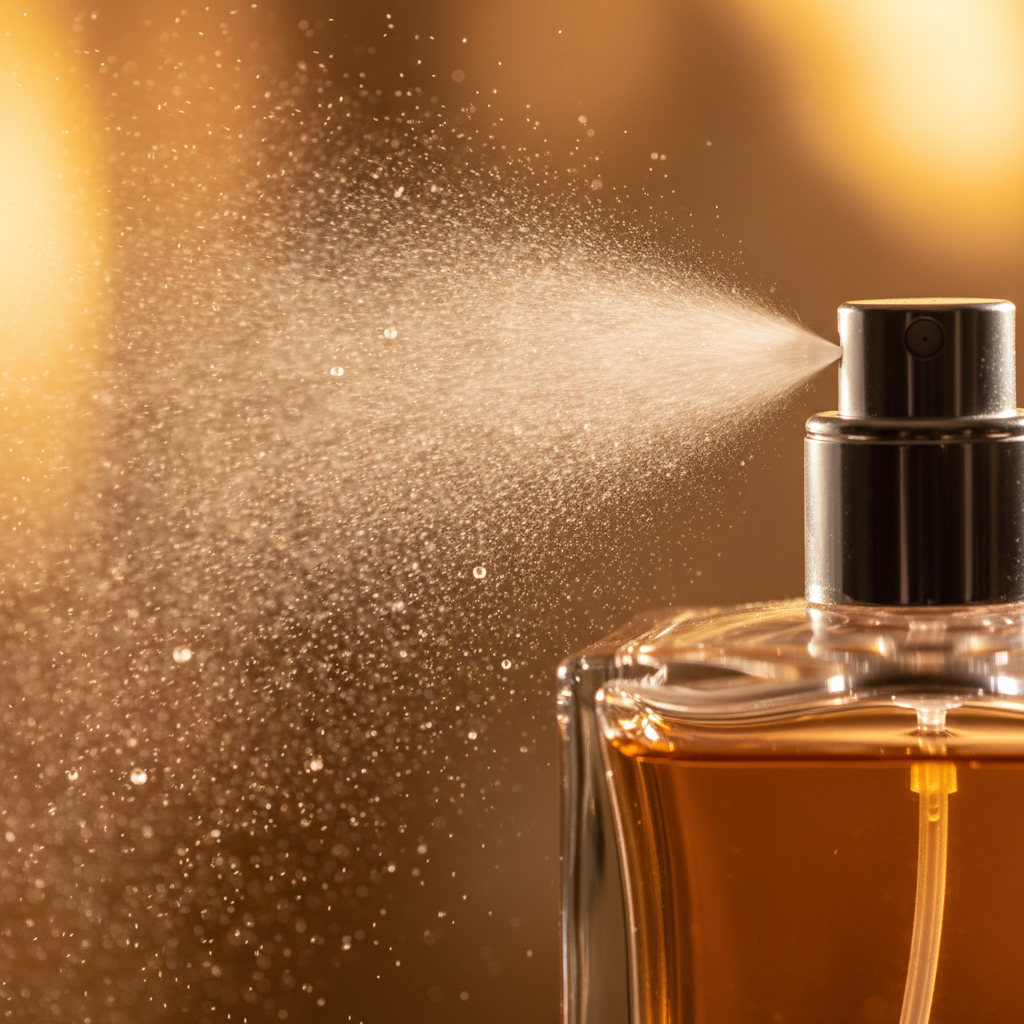
Application matters. Two to four sprays on pulse points usually beats overspraying. Moisturized skin can extend wear. Clothing holds scent longer than skin—great for a whisper trail that lingers without overwhelming close company.
Types, approaches, and layering (including orris)
Niche perfume spans clear families—citrus, floral, woody, amber, aromatic, gourmand—and creative hybrids. Sampling by family narrows options fast. Layering two compatible scents adds depth; a powdery orris accord, for instance, can soften woods or polish amber for cooler weather.
To keep choices manageable, cluster your candidates:
- Woody/amber: Cedar, sandalwood, patchouli, amber—often richer and great for evenings.
- Floral: Rose, jasmine, iris/orris—clean to opulent, from airy petal to buttery, makeup-like orris.
- Citrus/aromatic: Bergamot, grapefruit, herbs—sparkling daywear, gym-friendly freshness.
- Gourmand: Vanilla, tonka, cocoa—cozy, dessert-adjacent comfort.
- Smoky/leather: Birch tar, incense, suede—statement-makers with attitude.
Layering basics help you personalize:
- Pair a radiant citrus first, then add a wood to extend the drydown.
- Use orris (iris) to add powdery elegance over smoky or leather bases.
- Try a skin-musk to smooth a spicy composition for office wear.
For practical layering do’s and don’ts, review our internal breakdown of niche layering techniques before testing on skin.
Sampling strategies: home discovery vs. in-store testing vs. blind buys
The best strategy is a structured at-home discovery set: test on blotters, shortlist, then wear two scents per day on skin for three days. In-store testing is useful but rushed; blind buys skip learning and risk disappointment. A discovery routine consistently produces better long-term matches.
Here’s a fast comparison you can reference anytime.
| Method | Pros | Watchouts | Best for |
|---|---|---|---|
| At-home discovery set | Real-life wear, repeat testing, no pressure, better notes | Requires basic routine and patience | Finding a true signature scent |
| In-store testing | Immediate access, quick first impressions | Air saturated with scent, skin fatigue, time pressure | Screening yes/no before ordering samples |
| Blind buy | Fastest path if you already know your preferences well | High mismatch risk; no wear data on your skin | Experienced buyers replicating a known profile |
Many shoppers test five to eight scents in a typical discovery set and land on one or two keepers. That keeps your shelf lean and purposeful while you learn what truly suits your lifestyle.
Best practices: a 7-step sampling routine that actually works
Follow a 7-step routine: set goals, prep skin, smell on blotters, shortlist 2–3, wear on skin, journal reactions, then retest winners after 48 hours. This cadence balances first impressions with drydown behavior, giving you evidence for a confident decision.
- Set goals: Occasion (work, date night, gym), season, and vibe (clean, cozy, bold).
- Prep skin: Unscented moisturizer on pulse points to help hold fragrance.
- Blotter pass: Spray once per card; label; revisit at 10, 60, and 180 minutes.
- Shortlist: Pick your top two or three for skin tests.
- Skin wear: Two sprays per scent, separated (left/right wrists or inner elbows).
- Journal: Note projection, compliments, and how it makes you feel.
- Confirm: Rewear winners after 48 hours to avoid nose fatigue.
Pro tip: keep shower gel, laundry products, and lotions unscented on sampling days so they don’t distort results. If your space is cool and dry, consider a light body oil under fragrance to extend wear.
Tools and resources: use Auremie’s discovery engine
Use Auremie’s Find Your Scent guide, Discovery Sets, and Sample Sets to move from curiosity to clarity. These tools narrow choices fast, let you wear scents at home, and help you document reactions so you can select a bottle with confidence.
Auremie’s mission is simple: help shoppers match mood, occasion, and personal style to a fragrance they’ll enjoy all year. The brand serves men, women, and unisex preferences with curated collections and fast fulfillment in Canada.
- Start with the Find Your Scent experience to narrow families and moods.
- Order a Discovery Set to compare wear over several days.
- Use a Sample Set if you want smaller vials for travel and retesting.
- Read our Signature Scent Guide to turn notes into a short, useful brief.
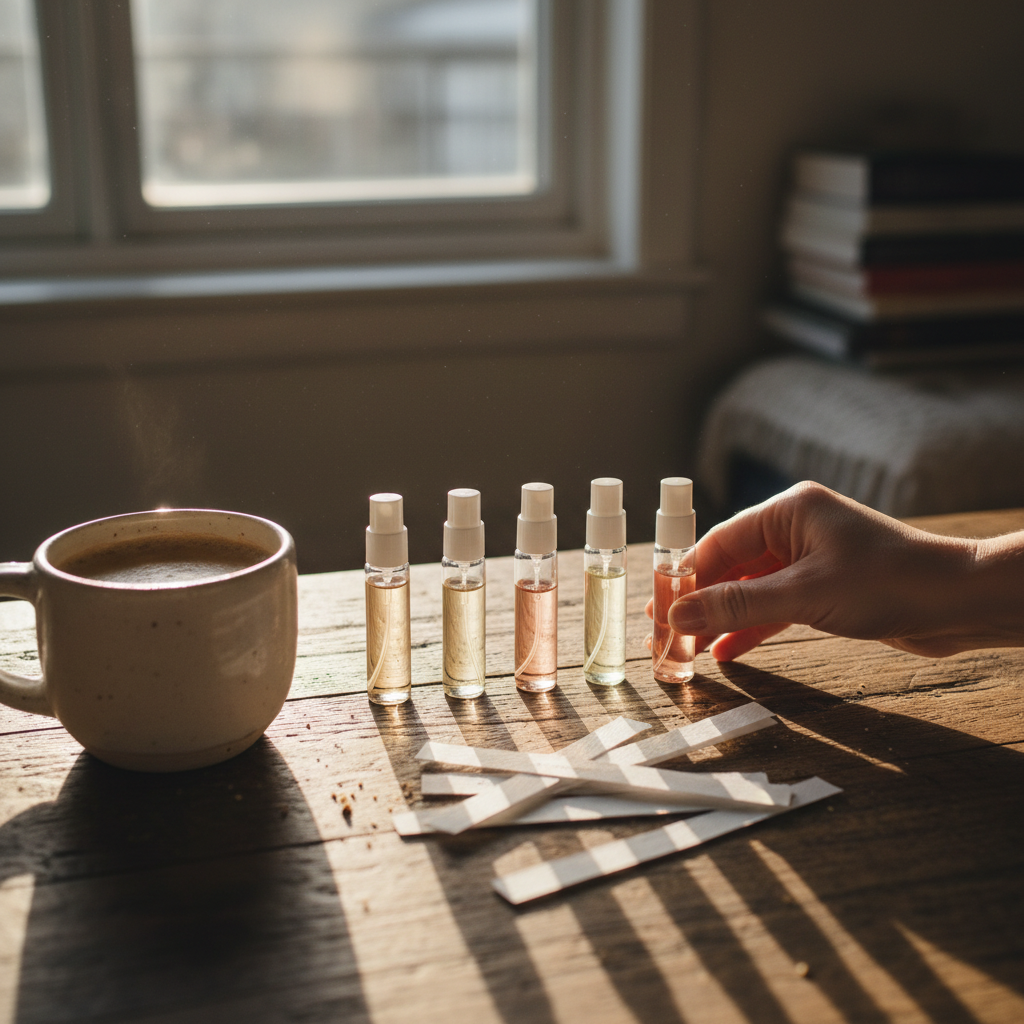
Soft CTA: Want help turning preferences into a shortlist? Explore a Discovery Set and test at home over three to five days. You’ll build wear data on your skin and avoid impulse decisions.
For deeper reading while you test, this article on long-lasting fragrance habits offers practical application and care tips you can try the same day.
Local considerations for your area
- Climate and wear: Cooler, drier months in much of Canada can mute citrus and amplify ambers. Test both indoors and outdoors to see real-world projection.
- Seasonal timing: If you shop near major holidays, build in extra testing time before gifting so the recipient can exchange within the return window if needed.
- Logistics: Orders fulfilled from Ontario typically move quickly across Canada, but allow buffer days during national holidays and winter weather.
Materials and performance: why some scents last longer
Longevity depends on concentration, material weight, skin prep, and environment. Heavier bases—amber, woods, musks—anchor scent for hours, while bright citruses evaporate faster. Proper application and moisturized skin help any niche perfume stay present without overspraying.
Performance is multi-factor. Two people can wear the same eau de parfum and experience different trails. Temperature, humidity, and fabric choice all matter. If you need quiet polish for the office, aim for a softer diffusion; if you want presence after sunset, choose a richer base and apply to clothing.
- Environment: Heat increases diffusion but may shorten top notes; cool rooms tighten projection but can extend bases.
- Skin and fabric: Moisturized skin grips materials; wool and cotton hold scent longer than bare skin.
- Routine: Two to four targeted sprays outlast scattered misting.
When in doubt, test side by side: one arm moisturized, one dry; one spray on skin, one on a T-shirt hem. The difference after 6–8 hours teaches more than any review.
Need a refresher on note families? Revisit this friendly primer on perfume notes while you test.
Case studies and real-world examples
Real shoppers get results when they test with intention. These quick scenarios show how a structured sampling routine leads to confident, low-stress decisions for work, gifts, and everyday wear across Canada.
Example 1: The thoughtful gift buyer
Scenario: You’re buying for someone who likes cozy vanilla and warm spices. You order a Discovery Set in gourmand and amber categories, run the 7-step routine, and note which option earns the most compliments at home. Decision day feels easy—and the gift arrives ready to present.
Helpful resource while you test: our quick take on using tester sets for cleaner side-by-sides.
Example 2: The five-day office fit
Scenario: You want a professional, not-too-loud scent. You shortlist two woody-florals and one powdery orris-based option. After three workdays, the orris blend reads poised and long-wearing without stealing focus. You confirm 48 hours later and order confidently.
Example 3: The signature seeker
Scenario: You’ve loved citrus for years but want more staying power. You combine a bright citrus with a soft wood via layering, per our layering guide. The wood extends wear while the citrus sparkles up top. It becomes your go-to spring and summer profile.
Example 4: The minimalist
Scenario: You prefer one bottle that handles errands, casual meetups, and weekend brunch. You test three unisex aromatics, noting which feels calming and clean in different settings. The winner reads versatile and modern—exactly the low-effort routine you wanted.
Frequently Asked Questions
These concise answers address the most common questions about niche perfume, from definitions and longevity to sampling best practices. Use them as quick-reference while you test at home with discovery or sample sets.
What makes a perfume “niche” instead of designer?
Niche houses focus on artistry, premium materials, and distinctive ideas over mass appeal. Collections are usually smaller and concept-driven, with an emphasis on storytelling, ingredient quality, and a more personal, often longer-wearing experience.
How many samples should I test before choosing a bottle?
Most people get clarity after testing five to eight scents. Use blotters first, then wear two per day on skin for three days. Journal reactions and re-test finalists after 48 hours so you’re choosing based on real wear, not first-spray excitement.
Will eau de parfum always last longer than eau de toilette?
Usually, yes—higher concentration often extends wear. But skin prep, climate, and materials also affect longevity. A well-formulated eau de toilette can feel brighter and still last, while a parfum may sit closer to skin with denser diffusion.
Is layering safe for all perfumes?
Layering is safe when done lightly and thoughtfully. Start with one spray each to check harmony. Combine fresh citrus with woods, or soften a smoky leather with orris. Avoid mixing too many heavy notes at once to keep the result coherent.
How do I make my perfume last longer?
Moisturize pulse points, apply two to four targeted sprays, and consider a light spray on clothing. Choose compositions with amber, woods, or musk for longer trails. Re-apply sparingly if needed and keep other scented products minimal on testing days.
Key takeaways
Niche perfume rewards patience and process. Sample with intention, track reactions, and use discovery tools to turn preference into clarity. The result is a signature scent that fits your life, projects appropriately, and wears beautifully through changing seasons.
- Niche means artistry-first perfumery with distinctive signatures.
- At-home discovery sets consistently beat blind buys for accuracy.
- Concentration, materials, and routine shape longevity and projection.
- Layering (including orris) personalizes your result without clutter.
- Auremie’s tools and sets streamline choices for Canadian shoppers.
Conclusion: turn curiosity into a confident signature
Choose niche perfume with a plan: organize by family, test with a discovery set, wear finalists on skin, then decide. With a simple routine and Auremie’s discovery resources, you’ll avoid guesswork and land on a scent that feels unmistakably you.
Ready to explore? Start with a focused Discovery Set and the Find Your Scent guide to narrow the field, then follow the 7-step routine. You’ll learn quickly, enjoy the process, and—most important—end up with a signature that fits your style, season, and daily rhythm.
For foundational background as you test, skim these primers on what makes a fragrance niche and how notes evolve. They’ll make your sampling time far more productive.