

Niche fragrances explained in simple terms: they are artisan, creativity-first perfumes produced by smaller or independent houses with limited distribution, premium ingredients, and distinctive scent profiles. Unlike mass-market designer scents, niche perfumes prioritize craftsmanship, storytelling, and olfactory uniqueness, helping you stand out with character and long-lasting wear.
By Auremie Perfumes • Last updated: April 14, 2026
Above the Fold: Why This Guide Matters + Table of Contents
Use this complete guide to understand what makes niche fragrances different, how they’re crafted, and how to choose and wear them with confidence. You’ll get practical steps, a comparison table, examples, and tools from Auremie Perfumes so you can find a signature scent you’ll love year-round.
- Niche Fragrances Explained: What Is a Niche Fragrance?
- Why Niche Fragrances Matter
- How Niche Fragrances Are Crafted
- Types, Styles, and Note Families
- Best Practices for Sampling and Wearing
- Tools and Resources (Discovery & Scent Finder)
- Real-World Scents-in-Action Examples
- FAQ
- Key Takeaways + Next Steps
- Related Articles
Overview
- Clear definition: What “niche” means in modern perfumery.
- Actionable steps: How to sample, evaluate, and select.
- Smart tools: Discovery sets, sample sets, and a Find Your Scent experience.
- Confidence builders: Longevity, projection, and seasonality tips.
Quick Answer
Niche fragrances explained: they’re crafted for character, not crowds. At Auremie Perfumes, discovery and sample sets plus a guided Find Your Scent quiz make selection simple. Orders ship fast from Ontario, so Canadian shoppers can test at home and pick a memorable, long-lasting signature.
Local Tips
- Tip 1: Ordering from Ontario? Plan samples ahead of holidays and long weekends for smoother delivery windows.
- Tip 2: Seasonal shifts matter—dry winter air can mute top notes. Test on skin indoors and outdoors to judge projection.
- Tip 3: For gifts shipping within Canada, choose discovery sets or gift-ready boxes to avoid last-minute wrapping.
IMPORTANT: These tips reflect Auremie’s online model, fast Ontario fulfillment, and Canada-wide shipping focus.
Niche Fragrances Explained: What Is a Niche Fragrance?
A niche fragrance is a perfume created by smaller, craftsmanship-led houses that prioritize distinctive olfactory ideas, premium ingredients, and limited distribution. The goal is originality and character over mass appeal, so you get a scent that feels personal, textured, and often longer-lasting on skin.
- Core idea: Creativity and quality first; marketing second.
- Limited distribution: Often sold direct-to-consumer or through select boutiques.
- Materials: Premium naturals and sophisticated aroma-chemistry chosen for effect, not cost.
- Experience: The composition tells a story—mood, place, season, or memory.
- Why it matters: Better fit for identity, occasion, and personal style.
In our experience curating modern, long-lasting scents for men, women, and unisex wearers, shoppers who want a signature tend to favor niche over mass-market because it feels tailored. Many start with a discovery set, test over a week, and hone in on two or three standouts that align with their calendar and climate.
How Niche Differs from Designer
- Scent direction: Niche leans artistic and story-driven; designer favors trend alignment.
- Distribution: Niche uses select channels; designer saturates department stores.
- Overlap risk: You’re less likely to smell like everyone else with niche.
- Sampling path: Discovery/sample sets at home vs. in-store spritz cards.
Niche vs. Indie/Artisanal
- Scale: Niche can be small to mid-size; indie often micro-batch.
- Access: Niche is more findable online; indie may launch limited drops.
- Style: Both prize originality; indie may push boundaries even further.
Why Niche Fragrances Matter
Niche perfumes matter because they deliver individuality, richer compositions, and memorable trail (sillage). They help you express mood and style more precisely, perform well across seasons, and reduce the “everyone smells the same” problem common with widely worn designer releases.
- Personal branding: Repeated wear becomes your quiet signature—people notice.
- Wear performance: Concentrations like Eau de Parfum often yield extended wear on skin.
- Versatility: Build a day–night wardrobe that meets work, weekends, and formal events.
- Giftability: Discovery sets let recipients explore before committing to a full bottle.
- Confidence: A well-matched scent subtly boosts presence in meetings and social settings.
Here’s the thing: most of us move through scent-dense spaces—rideshares, offices, gyms. A distinctive choice cuts through the noise. We routinely see shoppers report more compliments and questions after switching to character-forward compositions, especially when they test methodically and track reactions.
How Niche Fragrances Are Crafted
Crafting a niche fragrance blends premium naturals with modern aroma-chemistry in a pyramid of top, heart, and base notes. Small-batch maceration, quality control, and skin testing guide adjustments until performance, balance, and projection meet the perfumer’s intent.
- Brief: Define the mood, season, occasions, and wearer profile.
- Palette: Choose naturals (e.g., bergamot, sandalwood) plus aroma-molecules for lift and diffusion.
- Structure: Build a pyramid—top (first impression), heart (theme), base (longevity).
- Maceration: Let concentrate marry with alcohol; time smooths edges and rounds facets.
- Testing: Adjust for projection (sillage), longevity, and balance across skin types.
Ingredient Focus and Performance
- Top notes: Citrus, herbs, or aldehydes create a bright opening, usually the first 15–30 minutes.
- Heart notes: Florals, spices, and woods shape the story for several hours.
- Base notes: Resins, musks, woods, and ambers anchor wear for the longest phase.
- Concentration: Many niche Eau de Parfums aim for noticeable trail without overwhelming close quarters.
Responsible fragrance houses follow industry safety frameworks during development, aligning with recognized standards for skin-contact products. In practice, that means thoughtful material selection and controlled usage levels during formula balancing.
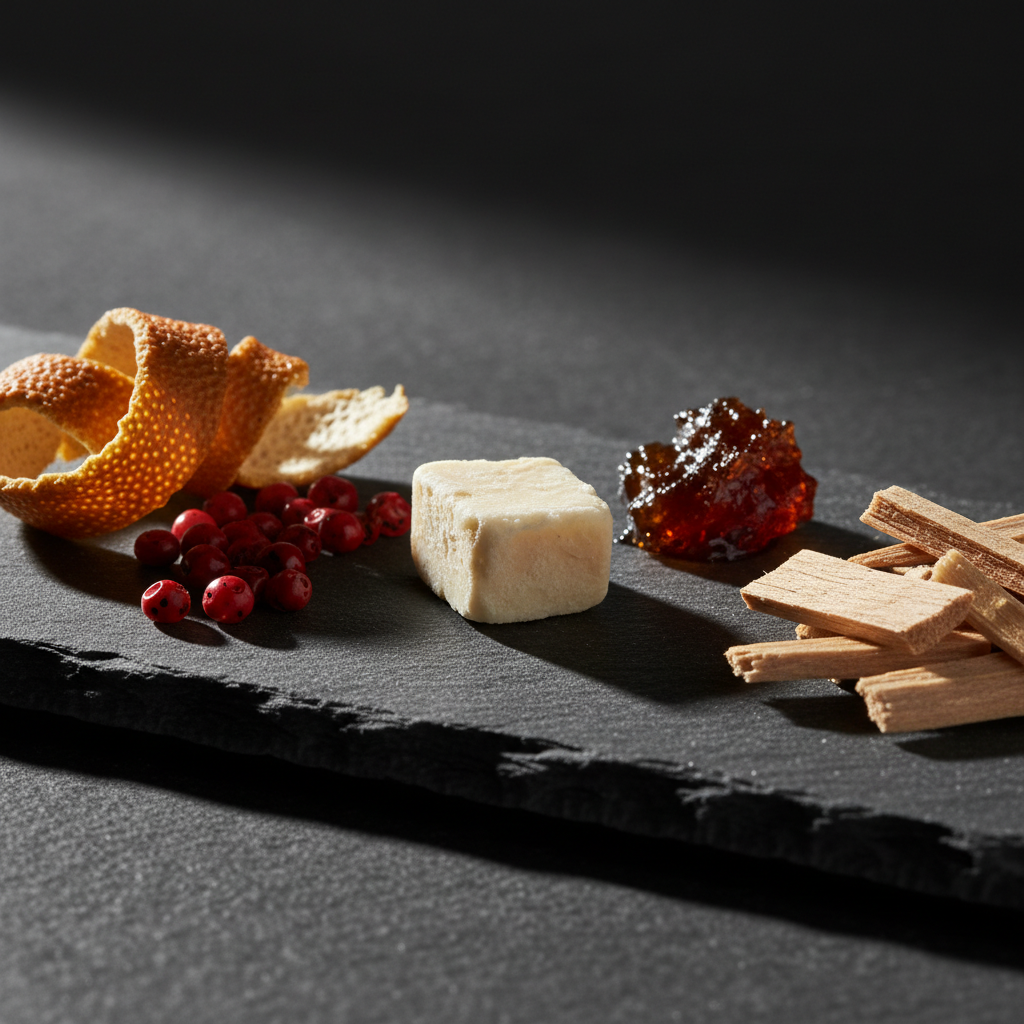
From Lab to Wear-Test
- Blotter stage: Screen balance and volatility on paper strips first.
- Skin stage: Evaluate evolution on different skin chemistries and climates.
- Refinement: Nudge ratios for smoother transitions and better persistence.
- Stability checks: Ensure color and scent remain consistent over time and temp shifts.
We’ve found that methodical wear-testing—office days, workouts, evenings out—reveals whether a composition holds its story end-to-end. That’s where niche craftsmanship shows its value: a coherent arc from opening to dry-down.
Types, Styles, and Note Families
Niche fragrances span classic families—citrus, floral, woody, amber, aromatic, gourmand—and modern fusions. Matching scent to season and setting is key: lighter, brisk styles excel in heat; textured woods, ambers, and gourmands thrive in cool weather and evenings.
- Fresh/Aromatic: Citrus, herbs, aquatic touches—ideal for daytime and gym bags.
- Floral: From sheer petals to lush bouquets—office to formal events.
- Woody: Cedar, sandalwood, vetiver—smart-casual to boardroom.
- Amber: Resins, vanilla, spices—date nights and winter coats.
- Gourmand: Edible accords like tonka, cocoa—cozy, playful, or sensual.
- Experimental: Unconventional accords (smoke, mineral, ink)—standout signatures.
Seasonal Mapping
- Spring: Green florals, soft citruses; think fresh starts and outdoor brunches.
- Summer: Brisk aromatics, marine touches; high heat favors lighter diffusion.
- Fall: Spiced woods, amber hints; evenings call for warmth and texture.
- Winter: Dense resins, vanillas, musks; cozy projection under layers.
Occasion Mapping
- Workdays: Polished woods or soft florals for close-quarters professionalism.
- Dates: Amber-vanilla blends for intimate presence without shouting.
- Events: Luminous florals or resinous woods that leave a refined trail.
- Weekends: Easygoing citruses and aromatics to keep things breezy.
Labels vs. Reality
- Men’s, women’s, unisex: Use as wayfinding, not rules. Follow your nose.
- Skin chemistry: The same formula can read fresher, sweeter, or woodier across people.
- Wardrobe approach: Keep a fresh daytime pick, a warm evening option, and one bold statement.
Best Practices for Sampling and Wearing
Sample on skin over multiple days, in different weather and settings. Log impressions after 30 minutes, mid-day, and end-of-day. Apply 2–4 sprays on pulse points, avoid rubbing, and re-test before big events to ensure the scent projects the way you want.
- Plan a test week: Rotate 3–5 samples, one per day, noting context and compliments.
- Skin chemistry check: The same scent can read sweeter or drier depending on your skin.
- Spray strategy: Wrists, neck, and chest; skip rubbing to preserve top notes.
- Seasonal swaps: Brighter in summer; denser in winter.
- Occasion alignment: Meetings vs. concerts call for different projection.
- Fabric assist: One light mist on clothing can extend presence—test for staining first.
- Storage: Cool, dark places help protect composition integrity over time.
7-Day Sample Plan (Step-by-Step)
- Day 1 (Fresh): Wear a citrus-aromatic to work; note first hour vs. afternoon.
- Day 2 (Woody): Try a cedar/vetiver blend; compare office vs. commute.
- Day 3 (Floral): Test a sheer floral; gauge professionalism and compliments.
- Day 4 (Amber): Evening wear; record trail and perceived elegance.
- Day 5 (Gourmand): Casual day; assess comfort and playfulness.
- Day 6 (Wildcard): Experimental profile; see if it feels uniquely “you.”
- Day 7 (Head-to-head): Re-wear your top two, morning and evening, to pick a winner.
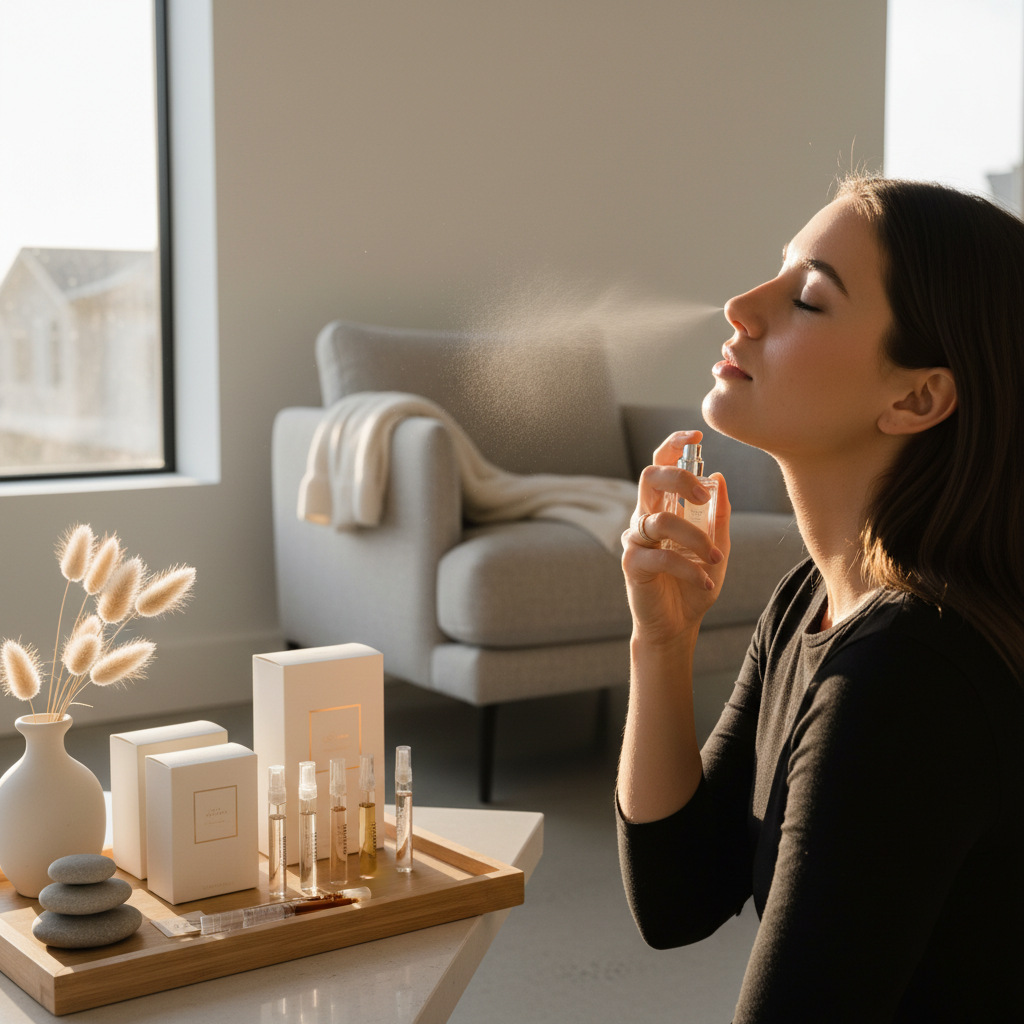
Application Notes that Matter
- Don’t overspray: Add one spritz at a time; let diffusion work.
- Pulse points: Warmth helps lift top notes and push sillage.
- Re-apply wisely: Midday in dry climates; evenings if you’re out late.
We’ve seen the most confident decisions come from simple logs: scent, setting, sprays, compliments, and end-of-day impression. Within a week, patterns emerge and the shortlist is obvious.
Tools and Resources to Choose with Confidence
Use guided tools and curated kits to remove guesswork. Auremie’s discovery and sample sets let you test across styles at home, while the Find Your Scent experience narrows options by mood, occasion, and season. Together, these tools turn curiosity into a confident signature.
- Discovery sets: Explore multiple compositions in one box—ideal for gifting and self-discovery.
- Sample sets: Travel-size vials for real-world testing across days and settings.
- Find Your Scent guide: Take the guided experience to match notes with your style and calendar. Try the quick path via the Find Your Scent page.
- Curated collections: Men’s, women’s, and unisex lines help you shop by vibe and wardrobe need.
- Fast fulfillment: Orders ship quickly from Ontario to Canadian addresses, so you can test at home.
Soft CTA: Want a guided path? Explore discovery and sample options, then use the scent finder to narrow to your perfect trio. Shipping is fast across Canada from Ontario.
Real-World Examples: Matching Scents to Moments
Pair fresh-aromatic for daytime, woody or amber for evenings, and a statement scent for special events. Start with a discovery set, record wear tests across a week, then lock a signature that fits work, weekends, and formal occasions without overlap.
11 Practical Pairings (Using Auremie’s Approach)
- Workday essential: A citrus-aromatic with clean woods for open offices and commutes.
- Boardroom polish: Smooth sandalwood-vetiver that reads confident but measured.
- Coffee date: A soft vanilla-laced floral that invites closeness without overpowering.
- Evening out: Amber with resin and spice that leaves a refined, warm trail.
- Outdoor festival: Bright top with textured base to cut through heat and crowds.
- Black-tie: Polished woods or floral-amber with elegant evolution over hours.
- Weekend errands: Easy citrus-musk for a breezy, casual vibe.
- Gym bag: Crisp aromatics and herbals that feel clean post-workout.
- Cold-weather comfort: Cozy vanilla, tonka, and musk that hugs under layers.
- Spring walk: Green-tinged floral that feels dewy and optimistic.
- Signature wildcard: An experimental accord (smoke, mineral) for unmistakable presence.
For men’s, women’s, and unisex wardrobes, we recommend a simple trio—daytime fresh, evening warm, and a bold statement—then add seasonal specials like a summer citrus or winter gourmand as your calendar demands.
FAQ
Get crisp answers to the most common niche fragrance questions: what niche means, how it differs from designer, how long scents last, how to sample effectively, and when to choose unisex versus gendered collections. Use the steps here to test, shortlist, and wear with confidence.
- How do niche perfumes differ from designer scents?
- Niche houses prioritize distinct olfactory ideas, limited distribution, and premium materials. Designer releases often optimize for broad appeal and trend cycles. If you want originality and a personal signature, niche is the better fit.
- How long should a good niche Eau de Parfum last?
- Many EDPs wear for extended hours depending on concentration, climate, and skin chemistry. Base-forward builds (woods, ambers, musks) often linger on fabric into the next day, so test on both skin and clothing.
- What’s the best way to sample before buying a full bottle?
- Use a discovery or sample set. Wear one scent per day, log impressions at 30 minutes and mid-day, and repeat midweek to confirm. Shortlist two or three that feel unmistakably “you.”
- Should I choose men’s, women’s, or unisex?
- Choose by notes and mood, not labels. Many shoppers discover their signature in unisex lines because balance and versatility trump categories. Trust your nose and wear what feels right.
- How many sprays is ideal?
- Start with 2–4 on pulse points. Add a light spritz on clothing for longevity, and avoid rubbing. For close-quarters meetings, favor back-of-neck and chest to moderate projection.
Key Takeaways, Comparison Table, and Next Steps
Niche fragrances excel at originality, performance, and personal fit. Sample across styles, track impressions, and select a day–night–statement trio. Use discovery sets and a scent finder to cut guesswork, then commit to a signature that matches your calendar and climate.
At a Glance: Designer vs. Niche vs. Indie
| Aspect | Designer | Niche | Indie/Artisanal |
|---|---|---|---|
| Distribution | Wide retail | Select/Direct | Very limited |
| Creative Risk | Moderate | High | Very high |
| Signature Potential | Common | Distinctive | Unique |
| Sampling Path | In-store testers | Discovery/Sample sets | Direct samples |
| Best Use | Trendy, broad appeal | Personal signature | Artistic exploration |
Key Takeaways
- Definition locked: Niche puts creativity and craftsmanship ahead of mass appeal.
- Sampling wins: A 7-day plan reveals keepers faster than casual spritzing.
- Wardrobe math: Daytime fresh + evening warm + statement scent covers most calendars.
- Tools help: Discovery/sample sets and a guided scent finder reduce guesswork.
Next Steps
- Pick a discovery or sample set that spans fresh, woody, amber, and a wildcard.
- Run the 7-day plan, logging setting, sprays, and reactions.
- Confirm a trio and keep one travel-size vial handy for top-ups.
Related Articles
- Discovery Sets Explained: How to Build a Confident Shortlist
- Signature Scent Guide: From Mood Boards to Wear Tests
- Premium Ingredients in Modern Perfumery: A Beginner’s Glossary
- Travel-Size Sample Sets: Pack Light, Smell Great
- Perfume Craftsmanship: From Brief to Bottle