

Unisex fragrances are balanced perfumes designed for anyone, blending citrus, florals, woods, and musks to feel natural on many skin chemistries. They offer versatile wear from office to evening, and they’re easy to explore through discovery and sample sets shipped quickly from Ontario, Canada by Auremie Perfumes.
By Auremie Perfumes Editorial Team • Last updated: May 25, 2026
At a Glance: Your Guide and Table of Contents
This guide explains what unisex fragrances are, why they matter, how compositions work, and how to test and wear them well. You’ll also learn five common smell‑matching mistakes to avoid, plus practical tools—like discovery sets and a scent finder—to help you choose with confidence.
Here’s what you’ll get from this complete guide to gender‑inclusive perfumery and everyday wearability.
- What “unisex” really means in modern perfumery and how it differs from marketing labels.
- How to evaluate notes, concentration, projection (sillage), and longevity without guesswork.
- A sampling process with clear timing windows and wear‑time benchmarks you can trust.
- Exactly five smell‑matching mistakes to avoid—so your picks feel effortless.
- How to use discovery and sample sets to pick a signature scent with confidence.
Local considerations for Canadian online shoppers
- Climate swing testing: try one fresh daytime choice and one warmer evening option to cover both humid summers and cold winters.
- Plan around holidays and events: order discovery sets early to allow two days of testing before gifting.
- Shipping practicalities: store samples upright after transit and test twice to ensure the scent has settled from temperature shifts.
What Are Unisex Fragrances?
Unisex fragrances are balanced compositions designed to suit a wide range of wearers, regardless of gender. They blend traditionally “masculine” woods and spices with “feminine” florals and musks, creating versatile profiles that adapt to skin chemistry, occasion, and season.
In practice, “unisex” signals structure and harmony over aisle labels. Expect bright citrus openings (bergamot, grapefruit), nuanced florals (iris/orris, rose, jasmine), and grounded bases (cedar, sandalwood, ambers, musks). The aim is character without edges that feel too sharp or too sweet for everyday use.
For shoppers who prefer to try before committing, Auremie’s discovery and sample sets make side‑by‑side testing simple. Run two trials over two days—morning and evening—so you can assess projection for commutes, offices, and dinners. If you enjoy it in both contexts, you’ve likely found a reliable unisex staple.
Want a deeper foundation first? Our in‑house breakdown of families and notes pairs well with this article, as outlined in our unisex fragrances guide and this focused look at unisex eau de parfum performance.
Why Unisex Fragrances Matter
Unisex scents simplify gifting, cut decision fatigue, and expand your wardrobe with flexible, long‑wearing choices. They’re ideal for shared vanities, couples who swap scents, and anyone who styles by mood rather than rigid gendered categories.
Versatility reduces “blind‑buy” risk. Balanced compositions are built for broad appeal but still feel distinctive when crafted with quality materials and a confident theme. That’s especially helpful for gift buyers and newcomers who want a modern signature without guesswork.
Rotation becomes smarter, too. A fresh citrus‑woody can be your weekday staple (3–5 sprays across wrists and collarbones), while a warmer amber‑iris suits evenings (2–3 sprays to chest and scarf). Right‑sized placement controls projection so you smell present—not overpowering—in different rooms and seasons. For more wearability tips by setting, see our practical primer on fragrance matching by occasion.
How Unisex Composition Works
Most unisex perfumes follow a note pyramid: top (first 15–30 minutes), heart (1–3 hours), and base (4–8+ hours). Concentration, raw materials, environment, and skin chemistry determine projection (sillage) and longevity—so always test on skin, not just paper.
Top notes (citrus, green, aromatic) create the opening. Heart notes carry the theme—florals like orris, rose, and jasmine; spices like cardamom and pink pepper. Base notes anchor performance with woods (cedar, sandalwood), resins (benzoin), musks, and ambers. In our experience, a balanced unisex structure uses contrast: a zesty lift up top, a textured heart, and a comfortably radiant base.
| Concentration | Typical oil % | Projection window | Wear time | Unisex fit |
|---|---|---|---|---|
| Eau de Toilette (EDT) | ~5–15% | First 1–2 hours | 3–5 hours | Great for fresh daily wear |
| Eau de Parfum (EDP) | ~15–20% | 2–4 hours | 6–8+ hours | Balanced, versatile choice |
| Parfum/Extrait | ~20–40% | Subtler radius | 8–12+ hours | Close, intimate wear |
EDP formats are the sweet spot for everyday unisex use because they balance projection with long wear. Ambient temperature matters: warm days amplify citrus and diffusion, while cold weather reveals creamy woods and resins. That’s why we suggest testing in your typical environment and clothing layers. If you’re comparing formats, this deep dive on unisex EDP performance offers practical context.
Types and Approaches
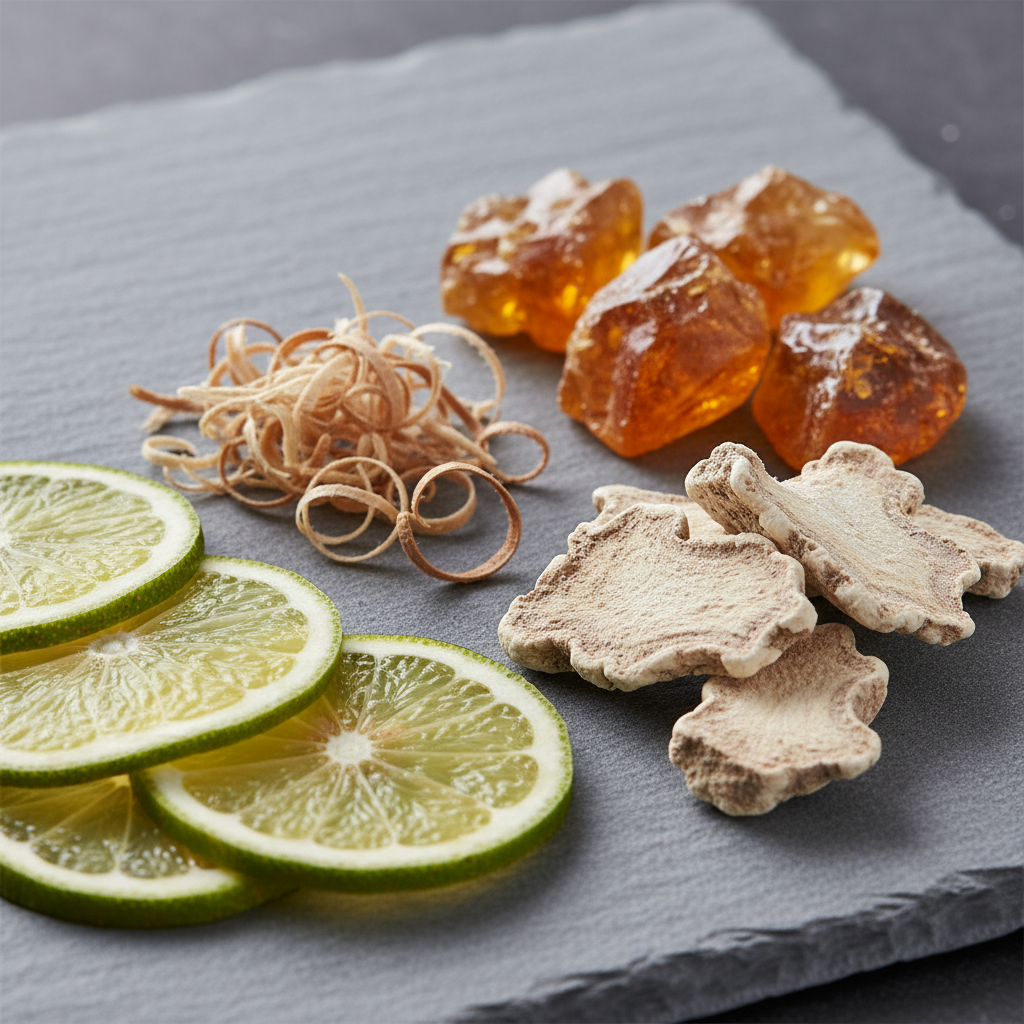
Common unisex styles include fresh citrus‑aromatics, iris/floral‑woody blends, resinous amber‑woods, clean musks, and soft gourmands. Each family offers a distinct mood, so build a small rotation for work, weekends, and evenings.
Fresh and Citrus‑Aromatic
These blends center sparkling top notes and airy textures that feel bright and effortless.
- Notes: bergamot, grapefruit, neroli, petitgrain, aromatic herbs.
- Wear: daytime, warm months, quick pick‑me‑up (2–4 sprays).
- Pro tip: Keep a travel spray for the commute; re‑apply once in late afternoon.
Iris and Modern Florals
Iris/orris delivers a plush, suede‑like texture that reads elegant and quietly confident.
- Notes: orris (iris root), violet, rose, tea.
- Wear: office‑friendly sophistication; smart‑casual evenings.
- Pro tip: The orris scent bridges fresh and warm wardrobes beautifully.
Woody and Resinous Ambers
Grounded, cozy bases that shine in cooler air and at night.
- Notes: cedar, sandalwood, amber accords, benzoin.
- Wear: fall/winter, dinners, and cooler nights (2–3 sprays).
- Pro tip: Apply to sweater cuffs or scarf ends for a subtle outdoor trail.
Clean Musk and Skin Scents
Minimalist and soft, designed to enhance your natural scent aura.
- Notes: white musks, ambrette, soft woods.
- Wear: gyms, close‑quarters, scent‑sensitive spaces.
- Pro tip: Ideal for “your‑skin‑but‑better” simplicity and layering.
Comforting Soft Gourmands
Warm, cozy, lightly sweet—comfort in a bottle.
- Notes: vanilla, tonka, cocoa, almond.
- Wear: cozy weekends, movie nights, cool‑weather errands.
- Pro tip: Keep sprays to 2–3; sweetness carries farther in heated rooms.
To explore these families hands‑on, shortlist two styles you’re curious about, then use a discovery or sample set to compare them over 48 hours. Our signature scent guide explains how to translate mood and wardrobe into a lasting match.
Best Practices for Choosing and Wearing
Test on skin (not just paper), let it evolve 6–8 hours, apply to pulse points without rubbing, and right‑size sprays to space and season. Use discovery/sample sets and a scent finder to narrow choices before committing to full bottles.
Step‑by‑step testing plan
- Start on clear skin: 1 spray per wrist, 1 on collarbone; avoid scented lotion.
- Time the evolution: opening (0–30 min), heart (1–3 hrs), base (4–8+ hrs).
- Note projection: a steady 1–2 foot radius in hours 2–4 is daily‑wear sweet spot.
- Re‑test on day two: repeat on fresh skin at a different time of day.
- Decide: if you enjoy hours 4–8 and receive at least one compliment, it’s a keeper.
Application placement
- Wrists and collarbones for balanced diffusion; chest for cozy, closer wear.
- Hair and scarf ends hold scent gently—two light mists are enough.
- Don’t rub wrists together; it can warm and accelerate evaporation.
Environment and wardrobe
- Heat amplifies diffusion; use fewer sprays in small, warm rooms.
- Cold compresses projection; target fabric edges for a subtle trail outdoors.
- Match fabrics to mood: crisp cotton for citrus; knits for ambery woods.
Need a quick refresher on wear times and why some scents last longer? Our primer on perfume longevity covers the role of concentration, materials, and storage.
The 5 Smell‑Matching Mistakes to Avoid
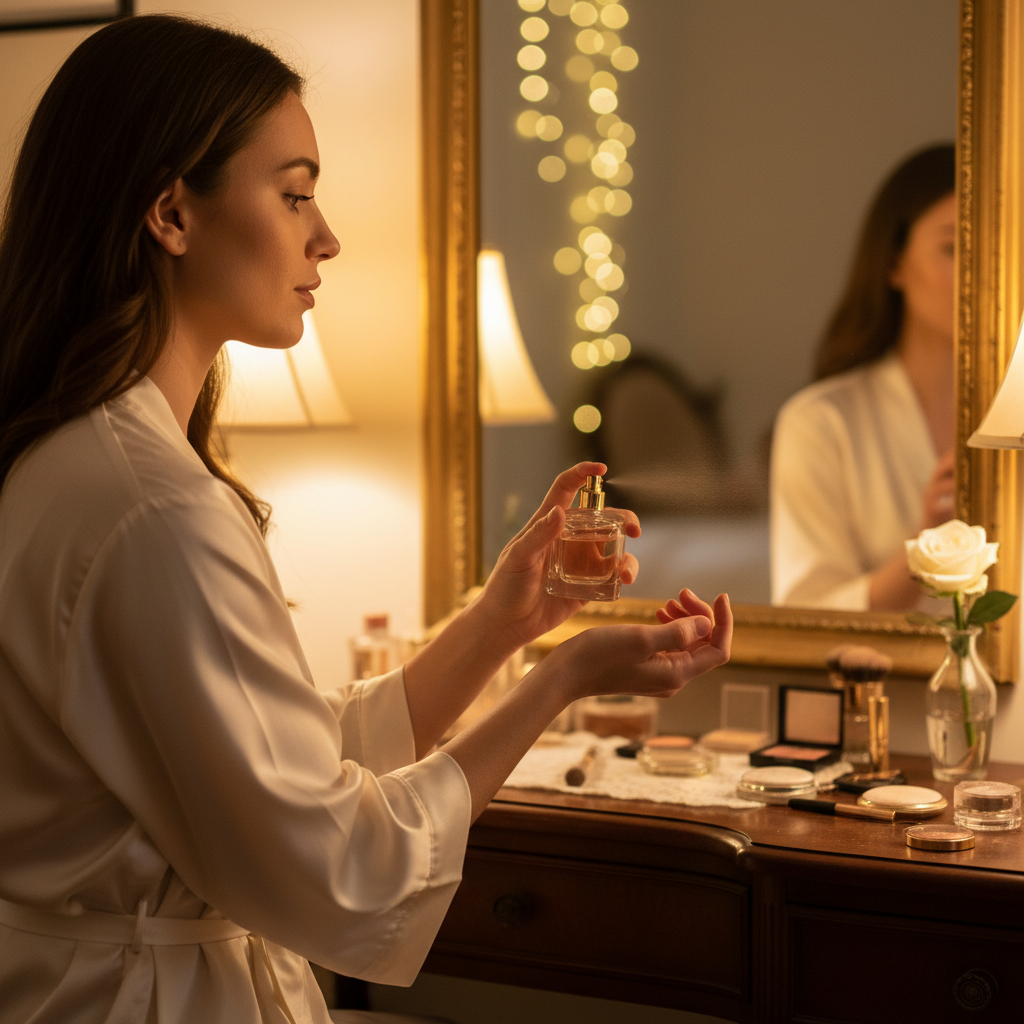
Avoid judging from paper only, over‑applying and going nose‑blind, ignoring climate and skin chemistry, chasing gendered labels, and skipping a two‑day wear test. Fix these and your unisex picks will feel effortless and consistent.
- Only testing on paper. Blotters show the opening, not the base. Always test on skin and wait at least 4 hours. Paper misses the heart‑to‑base transition that determines comfort and compliments in real life.
- Over‑applying early. Heavy first sprays can cause nose fatigue in 10–15 minutes. Start with 2–3 sprays; add one later if needed. If you stop noticing it after 20 minutes while others smell it immediately, you’ve likely gone nose‑blind.
- Ignoring climate and fabric. Heat boosts diffusion; cold compresses it. Test in your real layers (tee, sweater, scarf). A scent that blooms in a warm boutique may feel muted on a winter sidewalk unless you adjust placement.
- Letting labels limit you. “For him/her” copy is shorthand, not law. Judge the accord, not the aisle. Plenty of iris‑woody or amber‑resin blends wear beautifully across styles and wardrobes without feeling stereotyped.
- Skipping the second‑day check. Re‑test next day on clean skin. A consistent 6–8+ hour base with a steady, comfortable radius signals a keeper. If the base feels heavy at hour six, reserve it for evenings rather than daily wear.
Tools and Resources
Use discovery/sample sets to shortlist, a scent finder questionnaire for guidance, and simple tools—blotters, travel atomizers, and a notes journal—to track what works. Proper storage (cool, dark, upright) preserves quality over time.
- Discovery and sample sets: side‑by‑side trials across fresh, floral‑woody, and amber styles for clear comparisons.
- Scent finder guide: match by mood (energized, cozy, elegant), time of day, and setting.
- Travel atomizer: one mid‑day top‑up can extend an 8‑hour day to late evening.
- Notes journal: record sprays, weather, fabrics, and feedback so patterns emerge.
- Storage: avoid heat/sunlight; keep bottles upright and fully capped.
When you’re ready to move from sampling to a confident daily pick, skim this concise overview of long‑lasting perfumes to understand how formats and materials influence wear time.
Case Studies and Examples
Real shoppers get best results by sampling, journaling impressions, and retesting in real settings. These quick scenarios show how unisex choices come together for gifting, shared vanities, and work‑to‑evening transitions.
Shared Vanity, Two Styles
Two partners wanted a light weekday option and a warmer night scent. They used a discovery set to compare a citrus‑aromatic and an iris‑woody over 48 hours. Outcome: one bottle each, both unisex, and a tidy rotation—3 sprays for daytime, 2 for evenings. They keep a small travel atomizer for late events.
Gift Without Guessing
A gift buyer started with a scent finder, then sent a sample set for confirmation. The recipient picked a floral‑woody with a velvety orris heart—a style that felt polished at work and cozy on weekends. Result: confident full‑bottle gift and no exchange requests.
Office to Dinner
A commuter tested two EDPs. The fresher pick carried 4–5 hours with subtle sillage; the amber‑resin fragrance held 8–10 hours with a closer radius. Final routine: fresh for mornings, amber for after‑work plans. The shift felt intentional, not drastic.
New to Niche, Big Wins
Someone moving from mainstream designer scents wanted more character but not a loud trail. They sampled a clean musk and a woody‑iris. The musk became their gym and travel go‑to; the iris‑woody became their presentation day scent. Both sat comfortably within a “polite but memorable” radius.
Seasonal Rotation Done Right
A cold‑weather fan loved resinous ambers but needed a summer alternative. Sampling a citrus‑aromatic solved it. Now they run a two‑bottle rotation: citrus‑aromatic for warm months, amber‑wood for cool months—each makes the other feel special when seasons change.
Need personalized help?
Soft CTA: Start with a discovery set to compare two styles this week, then use our Find Your Scent guidance to pick your daily driver. A simple two‑day plan beats months of guessing and returns.
Frequently Asked Questions
What makes a fragrance “unisex”?
It’s the balance of notes and overall character. Unisex compositions blend bright, fresh openings with nuanced florals and grounded woods or musks so the scent feels at home on many wearers, not tied to a gender label.
How many sprays should I use?
For EDP, 2–4 sprays covers most situations. Use fewer in heat or small rooms, and a touch more outdoors. Place on wrists, collarbones, and chest; avoid rubbing to preserve the scent’s development.
How long should I test before deciding?
Wear each candidate for a full day (6–8+ hours) and retest the next day on clean skin. This shows the heart and base accurately and helps you notice consistency in different temperatures and outfits.
Can I layer unisex scents?
Yes—many people layer a fresh citrus with a woody‑amber base for depth. Keep layers simple (two scents) and apply sparingly so the blend stays clear rather than muddy.
Conclusion
Choose unisex fragrances by testing on skin, watching the 0–8+ hour evolution, and right‑sizing sprays to space and season. Use discovery/sample sets and a scent finder to decide confidently, and avoid the five common mistakes for a polished, personal signature.
Key takeaways
- Unisex is about balance and structure—not labels.
- Eau de parfum often offers the best daily performance window.
- Test in your real climate, fabrics, and routines.
- Avoid the five mistakes to save time and returns.
- Build a small rotation: fresh weekday, textured evening.
Next steps
- Start with a discovery set and journal impressions for 48 hours.
- Use a scent finder to shortlist two styles for A/B testing.
- Commit to the bottle you enjoyed on day two as much as day one.