

Orris scent is the smooth, powdery-floral and woody aroma derived from the aged rhizomes of iris plants. It smells like a creamy blend of violet, suede, and soft woods with buttery depth and natural elegance. For online fragrance shoppers across Canada, including Ontario fulfillment areas, it’s versatile, signature-worthy, and easy to explore through discovery and sample sets.
By Auremie Perfumes • Last updated: June 5, 2026
At a Glance
Orris is the elegant iris-root note known for violet-like powder, buttery creaminess, and soft woods. It’s gender-inclusive, office-safe, and evening-ready. This guide explains how it smells, how it’s made, ideal pairings, and step-by-step testing so you can choose an orris-forward fragrance with confidence.
- What orris is and how perfumers create it from aged iris rhizomes
- Why the orris scent fits men’s, women’s, and unisex styles year-round
- Extraction methods, key molecules, and common pairings
- How to test samples over 24 hours and track performance
- Practical tools, a mini decision framework, and four real-world examples
- What is orris scent?
- Why orris matters now
- How orris works in a perfume
- Types of styles & pairings
- Best practices: test, wear, store
- Tools & resources
- Case examples
- FAQ
- Key takeaways & Conclusion
Local considerations for your area
- Seasonal swings across Canada (dry winters, humid summers) change projection. Moisturized skin and light fabric misting keep orris consistent all year.
- Ontario-based fulfillment typically moves fast; during holiday peaks or storms, plan sample testing a week earlier to avoid rushed gifting decisions.
- For fragrance-sensitive offices common in large metros, choose airy, tea-citrus iris by day; reserve suede-amber iris for nights or weekends.
What is orris scent?
Orris scent is the fragrance note obtained from aged iris rhizomes (not petals). After 3–5 years of curing, these roots develop irones—molecules that smell powdery, buttery, and violet-like. Perfumers use orris to add luxurious texture, smooth diffusion, and a refined, long-lasting aura.
Orris comes primarily from the rhizomes of Iris pallida and Iris germanica. Harvested roots are washed, dried, and then slow-cured—often 36–60 months—so their irone content matures. That patience pays off: even a small amount of orris can transform a blend with plush, cosmetic-powder facets, gentle suede effects, and soft woods.
Expect three overlapping impressions. First, a delicate violet echo that reads clean and grown-up. Next, a creamy, almost buttery mid that feels like suede. Finally, a woody, slightly earthy drydown that hugs skin and fabrics for hours. Many wearers call it “quiet luxury in a bottle.”
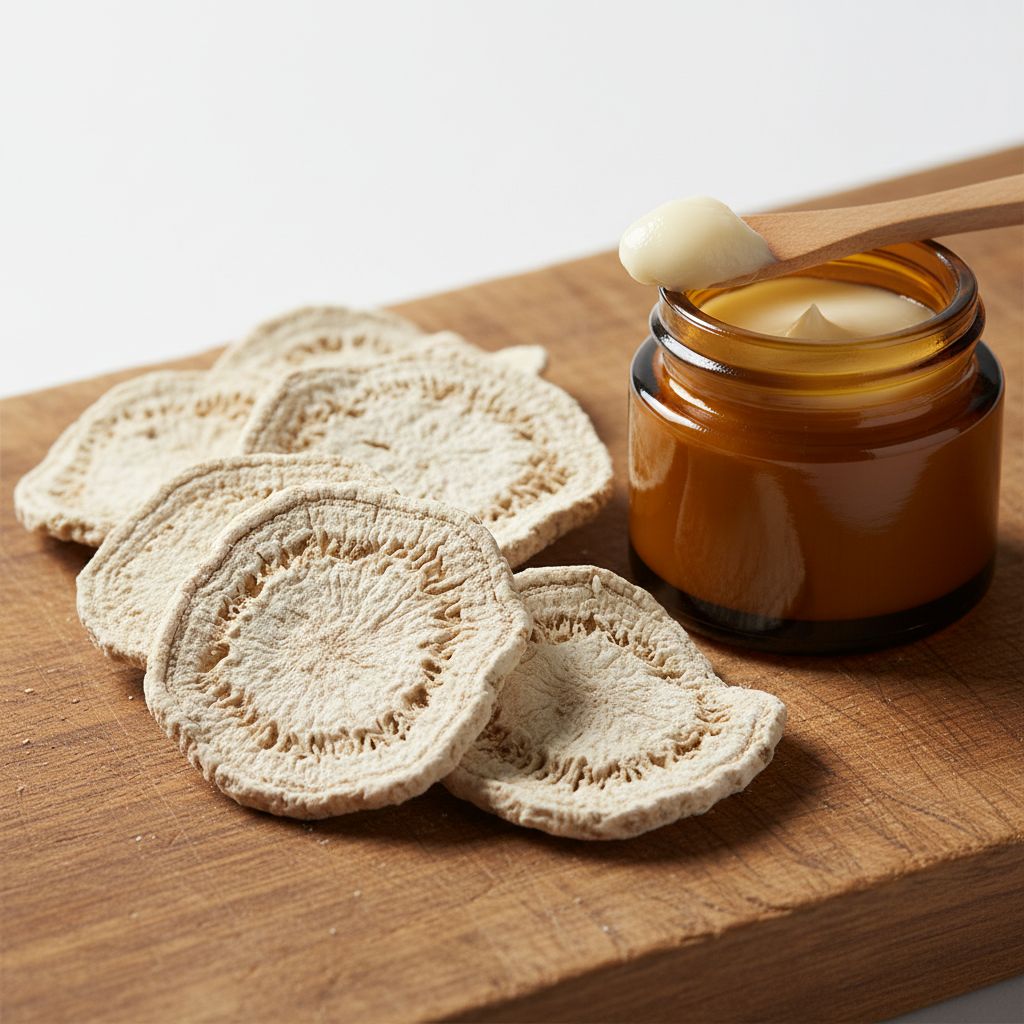
From iris to orris: botany and materials
- Plant part: Rhizomes (underground stems), not blossoms.
- Core molecules: alpha- and beta-irone, plus ionones for violet nuance.
- Common forms: orris butter (waxy, rich), resinoid/absolute (aromatic depth), and CO₂ extracts (clean, true-to-plant).
- Curing window: often 3–5 years to develop full character.
In our experience guiding shoppers with discovery and sample sets, the moment orris “clicks” is usually at the 2–4 hour mark on skin when that silky suede quality blooms. On fabric, its whisper can linger into the next morning, especially on scarves or cuffs.
Smell in three phases
- 0–30 minutes: clean powder, a hint of violet, faint citrus if present.
- 30–240 minutes: creamy suede over smooth woods; elegant, never loud.
- 240+ minutes: a soft, woody skin-scent; on fabric, faint traces can last overnight.
Want a primer on how notes stack? See our concise perfume notes guide to visualize top, heart, and base behavior before you test orris-heavy blends.
Why orris matters now
Orris delivers instant polish, bridges classic and modern tastes, and works in men’s, women’s, and unisex formats. It projects gently yet lasts well, fitting offices, transit, and evenings. Interest keeps rising because it feels refined without reading old-fashioned.
Orris strikes a rare balance. It nods to vintage powder compacts yet feels fresh inside contemporary, transparent structures. That duality is why we see two strong lanes: breezy daytime iris with tea and citrus, and velvet-richer iris with suede woods and amber for nights.
Search behavior echoes what we hear from shoppers. Across 2025–2026, monthly interest for “orris scent” typically ranged in the high hundreds, cresting near gifting season and again in spring refresh cycles. Those same windows are when discovery and sample sets move fastest.
Who gravitates toward orris? Professionals who want “present but polite” projection, minimalist wardrobes craving a refined constant, and gift buyers who need elegant versatility. If you relate, start with an airy iris for weekdays, then explore suede-amber iris for dinners and events.
For more context on choosing across styles, skim our men’s fragrances guide and our unisex perfume guide—both outline projection habits and seasonality so you can place orris clearly on your skin and in your schedule.
How orris works in a perfume
Perfumers harvest and cure iris rhizomes for years, then extract via steam, solvent, or CO₂. Natural and nature-identical irones shape the creamy, powdery signature. In formulas, orris “suedeizes” rough edges, adds diffusion, and often extends the soft trail on skin and fabrics.
From field to flacon, the path is meticulous. Rhizomes are cleaned and dried, then parked for 36–60 months to allow irones to form. Extraction yields orris butter (waxy), resinoid/absolute (dense), or clean CO₂ takes. Even at fractions of a percent, orris can change the entire mouthfeel of a fragrance.
Typical creation flow
- Harvest & cure: maximize irones with multi-year aging (often 3–5 years).
- Extraction: steam for butter; solvents for resinoid/absolute; CO₂ for clean nuance.
- Refinement: filter, standardize, and QC for batch-to-batch consistency.
- Formulation: blend with florals, woods, musks, ambers; micro-dose for texture.
- Maturation: rest the juice so facets knit (days to weeks before bottling).
Process at a glance
| Method | What it yields | Scent profile | Usage notes |
|---|---|---|---|
| Steam distillation | Orris butter | Buttery, waxy, elegant | Micro-dosed to soften edges and add polish |
| Solvent extraction | Resinoid/absolute | Woody-earthy depth | Boosts warmth, base cling, and tenacity |
| CO₂ extraction | CO₂ extract | True-to-plant nuance | Cleaner profile with airy diffusion |
If you’re new to ingredients and layering, our quick perfume notes guide and this niche fragrance brand guide can help you place orris within modern compositions before you start sampling.
Types of orris styles and pairings
Orris adapts to powdery-floral, woody-suede, gourmand-vanillic, and fresh-modern styles. It pairs beautifully with bergamot, tea, violet leaf, sandalwood, vetiver, cacao, amber, and musks. Wear lighter iris by day, suede-amber iris by night or in cold weather.
Popular orris styles
- Powdery–Floral: iris, violet, rose; elegant and office-perfect.
- Woody–Suede: iris smoothing sandalwood, cedar, or vetiver.
- Gourmand–Vanillic: iris folded into vanilla, tonka, cacao.
- Fresh–Modern: airy iris with tea, citrus, aldehydes.
Smart pairings and placements
- Bergamot & tea keep orris breezy (great for open offices).
- Sandalwood & cashmeran amplify the suede effect at 2–4 hours.
- Vetiver & violet leaf add backbone without turning sharp.
- Cacao & amber deliver plush warmth for evenings and cold.
Our readers often ask how these map to real life. A simple split works: powdery/fresh for commute and desk hours; woody/gourmand for dinners, patios, and fall/winter weekends. For seasonal nuance, skim this quick season-by-season guide and note where iris feels most natural to you.
Best practices to test, wear, and store orris
Test orris on blotters and then skin over 24 hours, sample across four styles, and apply to moisturized skin with light fabric misting. Store bottles upright in a cool, dark cabinet. Discovery and sample sets make comparisons easy without committing early.
Testing routine (fast but thorough)
- Blotter first: 2 sprays per strip; wait 5–10 minutes before judging.
- Skin next: 1 spray per wrist; reassess at 30 minutes, 3 hours, and 8 hours.
- Limit variables: keep the same moisturizer and shirt type for each test.
- Compare 3–5 styles: track vibe, compliments, and projection in a simple log.
Application tips (day vs. night)
- Day: 1–2 sprays to wrists/collarbone; add a touch to shirt placket.
- Night: add 1 fabric spray to scarf or coat interior for a gentle trail.
- Transit & meetings: prefer fresh-modern iris to stay polished but discreet.
- Events: suede-amber iris pairs well with textured knits and leather.
Storage habits (preserve clarity)
- Keep at 60–70°F, away from direct sun or heat sources.
- Store upright and minimize cap-off time to protect top notes.
- Use smaller decants for heavy rotation to reduce air exchange.
Layering curiosity? Get a feel for foundations in this short read on niche perfume layering before you experiment—start with 1+1 sprays and take notes at 30 minutes and 3 hours.
Tools and resources to find your orris signature
Use curated discovery sets, focused sample vials, a guided scent-matching quiz, and a simple testing log. Shortlist three, wear each for a workday, then re-test the top two on different days. Choose the one you miss when it’s gone.
Practical toolkit
- Discovery set: a cross-section of powdery, woody, gourmand, and fresh iris styles.
- Sample vials: 2–3 finalists to test over real commutes and rooms.
- Guided finder: a quick quiz to match mood, occasion, and style (see a mood-based approach in our occasion-matching guide).
- Testing log: date, weather, sprays, first impression, 3-hour check, drydown.
Mini decision framework
- Shortlist 3 scents that feel right within 30 minutes.
- Wear each for a full workday or evening out.
- Ask: did it fit your rooms, earn compliments, and feel like you?
- Re-test the top 2 on different days; pick the one you miss when it’s gone.
Want more structure while you sample? Our men’s niche fragrance overview and this brief note-layering explainer, how long-lasting fragrances work, will give you guardrails as you compare orris-forward styles side-by-side.
Case examples: how shoppers use orris
Orris fits many lives: a gift buyer seeking elegant versatility, a professional wanting quiet polish, a festival-season fan chasing all-day comfort, and a signature-scent hunter building a refined wardrobe. Discovery and sample sets reduce risk and reveal your best style fast.
Four real-world scenarios
- The Gift Giver: Chooses an orris-leaning discovery set spanning powdery, woody, and gourmand. Adds 1 spray to tissue paper to preview the aura in the box.
- The Office Pro: Wears fresh-modern iris with tea and bergamot. Two sprays last the commute (30–60 minutes), sit politely at the desk (2–4 hours), then settle into a close skin-scent by late afternoon.
- The Festival Fan: Reaches for suede-woody iris with amber. One fabric spray on a jacket lining extends the base overnight, even outdoors.
- The Signature Seeker: Trials 4–5 orris samples over two weeks. Tracks weather and compliments; selects the one missed most when skipped.
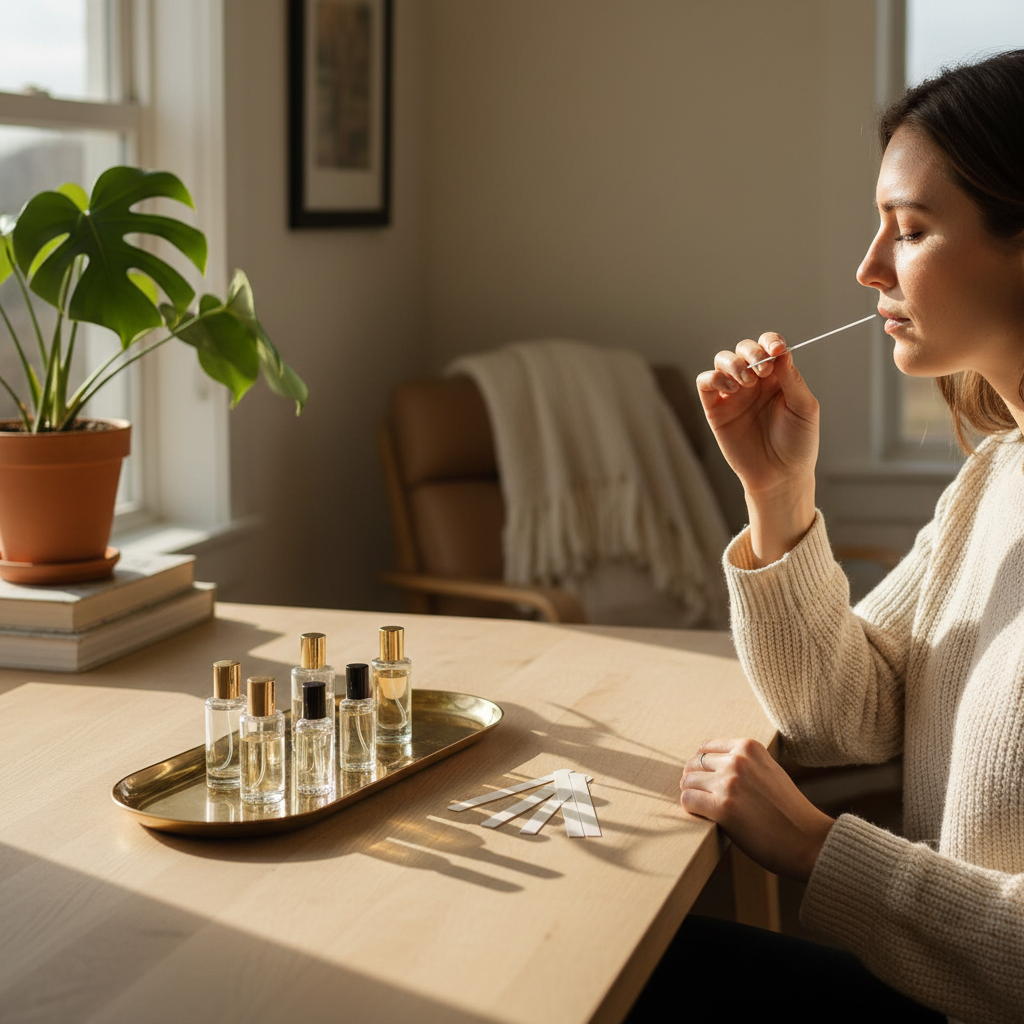
Want help matching an orris style to your life? Start with a discovery set, use a guided finder, and compare wear over real days. For mood-based picks, skim our quick unisex fragrance pointers to avoid common testing traps.
Frequently Asked Questions
Orris prompts practical questions about smell, longevity, seasonality, and layering. Here are direct answers so you can test smarter and wear iris confidently in men’s, women’s, or unisex styles.
What does orris actually smell like?
It smells powdery-floral, creamy, and softly woody—often compared to violet with a suede effect. The feel is smooth and elegant rather than sweet or sharp, which makes it easy for daytime wear.
Is orris good for year-round wear?
Yes. Try airy iris with citrus or tea for spring and summer, and richer suede-amber iris for fall and winter. Its balanced projection works well in offices, on transit, and at evening events.
How should I test an orris perfume?
Start on blotters, then try 1–2 sprays on skin. Reassess at 30 minutes, 3 hours, and the next morning on fabric. Compare 3–5 samples across different days to see what fits your commute and rooms.
Does orris make a scent last longer?
Often. Orris materials and related irones can add creamy texture and help a formula feel smoother and longer-lasting, especially when applied to moisturized skin and light fabrics.
Key takeaways
Orris is iris rhizome magic: powdery, creamy, and softly woody. It’s refined, versatile, and easy to test with discovery and sample sets. With smart pairing and application, it becomes a signature-worthy note for daily life.
- Orris = aged iris rhizomes rich in irones; smells powdery, buttery, woody.
- Fits men’s, women’s, and unisex styles; office-friendly yet evening-ready.
- Sample across four styles—powdery, woody, gourmand, fresh—to compare.
- Apply to moisturized skin; add 1 fabric spray for a refined aura.
- Store upright, cool, and dark to preserve clarity and balance.
Conclusion
The orris scent blends classic elegance with modern ease. Explore it in discovery and sample formats, compare styles over a week, and choose the one that feels like you—even on a busy Monday. That’s the simplest way to make orris your signature.
Orris turns everyday routines into quiet luxuries. When you test intentionally—same number of sprays, similar settings—you’ll see quickly which take on iris delivers the balance you want. Then it’s about enjoying the compliments and the calm confidence that follows.
Next step: shortlist three orris-forward scents, use a guided finder to pick two finalists, and wear them on back-to-back days. Your signature will reveal itself fast.