

Luxury fragrances are high-quality perfumes crafted with premium ingredients, higher oil concentrations, and complex compositions to deliver rich scent, strong sillage, and long wear. For Canada-based shoppers, Auremie Perfumes curates modern, long-lasting options and ships quickly from Ontario. Discovery and sample sets plus a Find Your Scent guide help you select a confident signature.
Last updated: June 14, 2026
Quick Summary
This complete guide explains what luxury fragrances are, why they matter, and how to choose a signature scent with confidence. You’ll learn the scent pyramid, oil concentrations, longevity, sillage, and testing techniques. We map each step to Auremie Perfumes’ discovery and sample sets and our Find Your Scent guidance for a practical, low-risk selection.
Here’s what you’ll walk away with—clear, practical steps you can apply today.
- Understand fragrance families (citrus, woody, floral, amber, gourmand) and when to wear them.
- Decode concentrations (extrait, eau de parfum, eau de toilette) and what they mean for longevity.
- Use blotters and skin testing to evaluate projection, sillage, and dry-down over hours.
- Build a small discovery plan using Auremie discovery/sample sets to avoid blind-buy regret.
- Match mood and occasion using our Find Your Scent approach, from daily wear to special events.
Prefer to dive deeper on foundations first? Our internal cluster covers collecting, wear, and wardrobe-building from different angles so you can choose scents that last and find a signature you love without guesswork.
What Are Luxury Fragrances?
Luxury fragrances are meticulously composed perfumes that use premium aroma materials and higher oil concentrations to create complex, long-lasting scents. They emphasize craftsmanship, balanced accords, and a refined evolution from top to base notes, delivering stronger sillage and projection than lighter formulations.
When we say “luxury,” we’re not talking about a logo on a box. We mean careful perfumery: quality naturals and sophisticated aroma molecules, precise balance across the scent pyramid, and fixatives that extend wear. The result is depth, cleaner transitions, and an unmistakable presence.
Core elements that define luxury
- Premium materials: Quality naturals (e.g., citrus oils, resins, woods) and modern aromachemicals that add lift, radiance, or texture.
- Higher concentrate: Typical aromatic oil percentages for luxury builds range from about 15–20% for many eau de parfums, with extraits even higher.
- Craftsmanship: Skilled perfumers tune volatility, diffusion, and balance so transitions feel smooth and intentional.
- Performance: Expect more pronounced projection early, steadier evolution mid-wear, and a longer, smoother base dry-down.
Understanding concentrations
Concentration influences intensity, projection, and wear. While results vary by formula and skin chemistry, typical ranges look like this.
| Concentration | Typical Oil % | Projection Window | Wear Pattern | Best For |
|---|---|---|---|---|
| Extrait/Parfum | 20–40% | Soft radius | Dense, plush dry-down; slower evolution | Evenings, special occasions |
| Eau de Parfum (EdP) | 15–20% | Moderate radius | Balanced evolution; versatile | Daily wear to nights out |
| Eau de Toilette (EdT) | 5–15% | Brighter, quicker lift | Faster top-to-heart transition | Warm days, office settings |
| Perfume Oil | Varies | Close to skin | Long, intimate wear | Low-sillage environments |
In our experience working with Canada-based customers, EdP is the best starting point for a luxury wardrobe. It balances projection and longevity, especially in temperate climates and mixed indoor/outdoor days.
For deeper primers on fundamentals, see our brand’s in‑depth fragrance guide and a companion on choosing a fragrance online with confidence.
Why Luxury Fragrances Matter
Luxury scents elevate presence, communicate personal style, and last longer on skin and fabric. With better materials and construction, they project more deliberately, evolve more smoothly, and feel appropriate from work to weekends—reducing the need for constant reapplication and expanding your expressive range.
Fragrance is more than “smelling nice.” It’s a wearable signature that tells a story before you speak. The right composition becomes a memory anchor—recognizable to friends, partners, and colleagues—yet versatile enough to match changing seasons and settings.
Benefits you’ll actually notice
- Clarity and balance: Cleaner openings, less chemical harshness, and transitions that make sense as hours pass.
- Longevity and sillage: Expect an initial projection arc within the first 1–2 hours, with a base that can linger on fabric next day.
- Versatility: Thoughtful blending keeps a scent wearable at work, social dinners, or formal events—just adjust sprays.
- Confidence: When your scent fits your mood, your posture follows. Signature scents make decision-making easier each day.
We’ve watched sample-first shoppers move from uncertainty to confidence in a week by structuring testing. Discovery and sample sets remove guesswork and give you controlled comparisons across families, seasons, and intensities.
Curious how to apply this in practice right now? Scan the next section and set up a two-evening test that mirrors real-world wear.
How Luxury Fragrances Work (Projection, Sillage, Longevity)
Luxury perfumes use balanced volatility, fixatives, and higher oil content to manage diffusion over time. Top notes lift quickly, heart notes shape character, and base notes anchor longevity. Correct application on pulse points, fabric awareness, and climate all affect projection and wear length.
Every composition follows an arc called the scent pyramid.
- Top: Fast-evaporating citrus, aromatics, and light fruits. You’ll smell this first, often within seconds to 15 minutes.
- Heart: Florals, spices, herbs, and nuanced woods build identity from ~15–90 minutes.
- Base: Resins, musks, woods, and ambers fix the composition for hours on skin and longer on fabric.
Diffusion isn’t luck; it’s physics and construction. A well-engineered EdP uses lighter molecules up front, medium-weight bridges in the heart, and heavier anchors in the base. Fixatives slow evaporation so the base stays audible without shouting.
- Projection window: Many luxury compositions project more noticeably in the first 60–120 minutes, then settle closer to skin.
- Sillage trail: Movement and temperature lift molecules into the air; expect a perceptible trail when you walk past in warm spaces.
- Skin chemistry: pH, oiliness, and hydration influence how fast notes lift. Hydrated skin generally improves even diffusion.
Application matters. Two to four sprays at pulse points (wrists, neck, chest) is a sensible baseline for EdP. Avoid rubbing wrists together; friction warms and flashes off volatiles prematurely, muting the intended top and heart. Fabric holds scent longer but may alter the accord’s balance—test before big days.
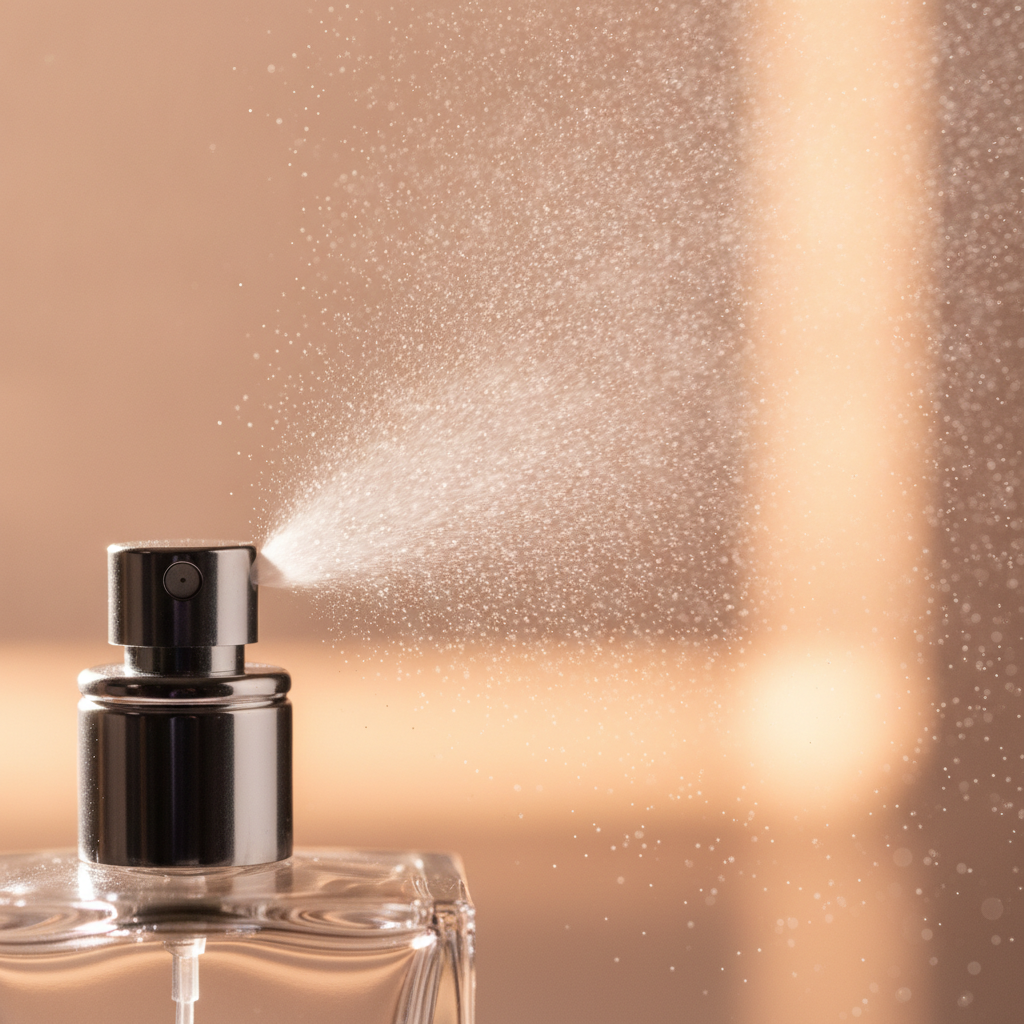
Want a decision shortcut? Build a three-spray test: one wrist, opposite forearm, and chest. Smell at 0, 30, 90, and 240 minutes. Note which strip keeps character, which evolves gracefully, and which vanishes too soon. That simple log will reveal your ideal family and concentration.
Types, Families, and Approaches (Men’s, Women’s, Unisex)
Most luxury fragrances cluster into families—citrus, floral, woody, amber, and gourmand—styled for men, women, and unisex wearers. Matching family to occasion and climate makes selection easier, while discovery sets let you compare styles side by side before committing.
Primary families you’ll encounter
- Citrus/Aromatic: Bright bergamot, grapefruit, herbs. Great for daytime, warm weather, or the office. Crisp openings with brisk diffusion.
- Floral: Rose, jasmine, iris in modern blends. Works for elegant day-to-night transitions; often polished and romantic.
- Woody: Cedar, sandalwood, vetiver. Clean, grounded, and often unisex—excellent for professional settings.
- Amber/Resinous: Vanilla, labdanum, amber accords. Plush, warm, and evening-ready; typically longer-wearing.
- Gourmand: Edible-inspired notes (tonka, cocoa, caramel). Cozy, inviting, and perfect for cold seasons or casual nights.
Approaches to curation
- By occasion: One crisp office scent, one social/weekend scent, and one evening statement.
- By season: Citrus/aromatic for spring-summer; amber/woody for fall-winter; a floral or modern musk as a year-rounder.
- By mood: Uplifting citrus for focus, soft floral for ease, warm amber for confidence and presence.
Auremie Perfumes curates men’s, women’s, and unisex options so you can build a compact wardrobe fast. If you like refined woods, explore modern interpretations alongside smoother ambers; if you prefer freshness, compare a citrus-aromatic with a breezy floral musk in the same sitting.
To see how this plays out across collections, browse our internal cluster on building a collection and our guide to luxury unisex perfume pairings.
Best Practices: How to Choose Your Signature Scent
Choose a signature scent by testing 3–5 samples across families, wearing each for a full day, and logging performance at set intervals. Evaluate opening clarity, heart identity, dry-down comfort, and compliments. Narrow to two, retest, then select the one that fits your daily settings most often.
A step-by-step sampling plan
- Pick a focused set: Start with 3–5 discovery vials that span two families (e.g., citrus/woody).
- Test on skin: One spray per scent on distinct points. No wrist rubbing.
- Time-stamped notes: Smell at 0, 30, 90, and 240 minutes. Jot clarity, transitions, and comfort.
- Context check: Wear a favorite to work, another for an evening out. Note reactions and your own comfort.
- Finals round: Retest your top two side by side. The one you forget you’re wearing—but miss when it’s gone—wins.
What to evaluate during wear
- Opening: Is it crisp or sharp? Do citrus or aromatics feel natural rather than screechy?
- Heart: Does the character match your style—clean, romantic, or bold?
- Base: Is the lingering accord pleasant for hours? Any notes you’d rather keep closer to skin?
- Projection window: Does it carry in the first 1–2 hours then settle as expected?
- Compliments: Are reactions aligned with your goals (subtle professionalism vs. cozy presence)?
Use our internal primers—start with the Luxury Perfumes Guide and then the Signature Scent Guide—to shortcut learning and set a clear testing rhythm.
Tools and Resources (Discovery, Samples, Guidance)
Leverage discovery and sample sets to compare families side by side, then refine with guided prompts. Use blotter strips first, confirm on skin second, and log impressions. Auremie’s Find Your Scent guidance helps map your mood, occasion, and style to curated options with less guesswork.
- Discovery sets: Curated minis covering 3–6 scents so you can A/B families quickly.
- Sample sets: Focused vials for extended skin wear over a week.
- Blotter strips: Great for opening comparisons before you commit to skin testing.
- Testing log: Simple grid: scent, time, setting, projection, comfort, reactions.
- Find Your Scent: Guided prompts to align preferences with mood and occasion.
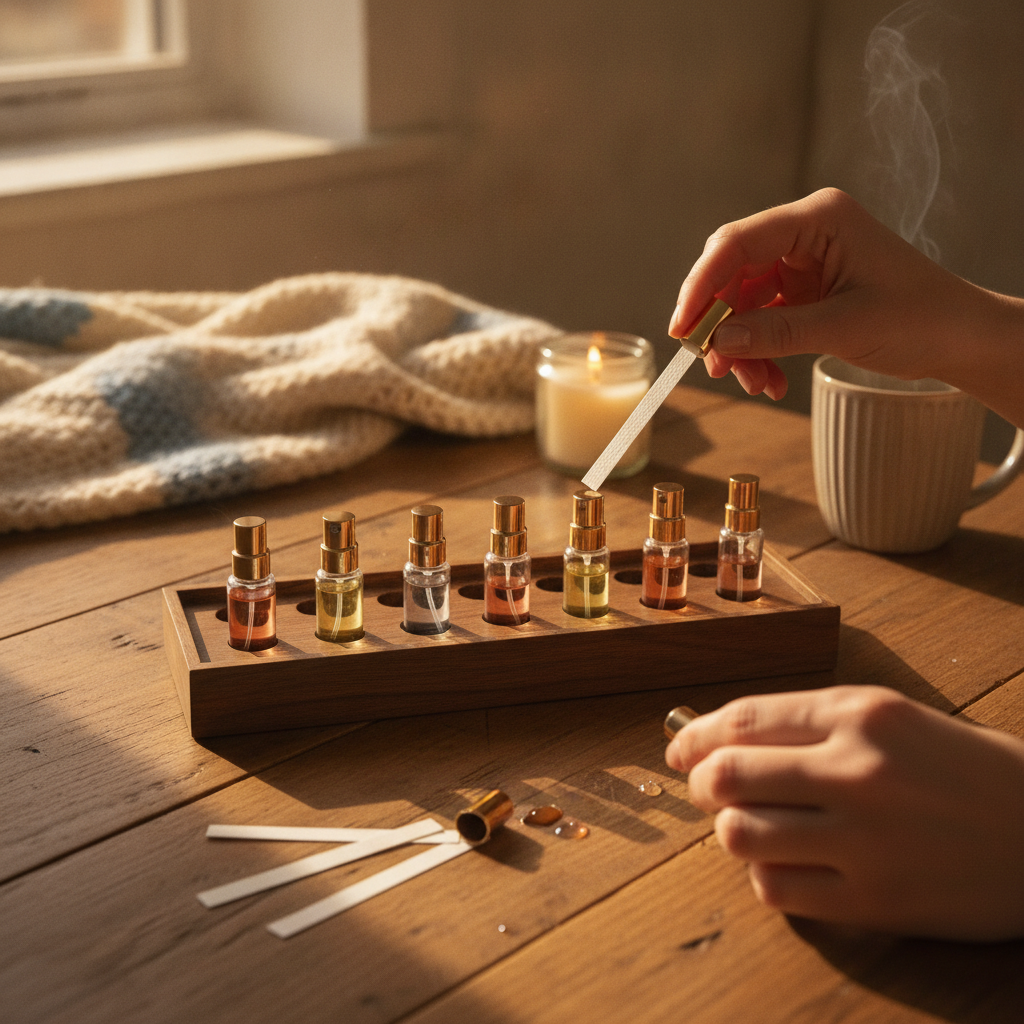
Want a structured deep dive into long-wearing builds? Our extended primer on long-lasting fragrance covers application placement, fabric vs. skin trade-offs, and seasonal adjustments.
Local considerations for your area
- Seasonal swings matter: in colder months, amber/woody builds often project better outdoors; in warmer months, citrus/aromatic keeps things airy and office-friendly.
- Holiday rush windows can delay shipping across Canada; order discovery sets early so you can test calmly before gifting.
- If you move between heated indoor spaces and chilly streets, carry a travel vial to refresh top brightness without over-spraying base notes.
Helpful nudge: If you’d like a curated start, our internal cluster on building a fragrance collection outlines streamlined sample paths for different styles.
Case Studies and Real-World Examples
Mini scenarios show how to translate theory into choices. By structuring tests over two or three evenings and logging projection windows, you’ll quickly see which family and concentration fit your daily life, gifting goals, or season.
1) The gift buyer who wants “safe but special”
- Goal: Elegant, ready-to-gift scent with broad appeal.
- Plan: Use a discovery set mixing floral musk and soft amber. Test on blotters; confirm the finalist on wrist.
- Decision trigger: The option that earns a compliment within the first hour becomes the gift pick.
2) The office professional
- Goal: Clean presence that doesn’t dominate meeting rooms.
- Plan: Sample woody aromatics (cedar, vetiver) in EdT/EdP forms. Two sprays max to start.
- Decision trigger: If the base still reads crisp after lunch, it’s a keeper.
3) The festival and events planner
- Goal: A festive signature for concerts and celebrations.
- Plan: Compare a radiant amber with a gourmand-leaning blend from a seasonal collection.
- Decision trigger: The one with a lively sillage trail outdoors wins.
4) The “fresh all day” seeker
- Goal: A bright, modern freshness that doesn’t vanish by noon.
- Plan: Pair a citrus-aromatic with a clean floral musk; test under a jacket and without.
- Decision trigger: The option that keeps its heart clarity at the 90-minute mark.
5) The compact wardrobe builder
- Goal: Three bottles that cover 90% of life.
- Plan: Choose one office woody, one weekend citrus/floral musk, and one evening amber.
- Decision trigger: If you’d happily wear it twice a week, it earns a slot.
Each scenario leans on discovery-first testing. It’s faster than reading long note lists and more honest than blind buying. Your nose will tell you what fits.
A Soft, Helpful Next Step
Start with a focused discovery set and a simple testing log. In two evenings, you’ll narrow to a confident favorite. Our guides and tools streamline choices so you can enjoy the process—not second-guess it.
If you’d like a curated path, jump into our collection guide for ready-made sample routes, then follow the prompts in our signature scent walkthrough.
Frequently Asked Questions
These quick answers address the most common questions about buying and wearing luxury fragrances, from concentration choice to testing methods and wear-time expectations.
How do I pick between extrait, eau de parfum, and eau de toilette?
Match intensity to setting. Eau de parfum balances projection and longevity for most daily use. Extrait is denser and intimate—ideal for evenings. Eau de toilette is brighter and quicker, great for warm days or office wear. Test each style on skin to confirm comfort and evolution.
What’s the best way to test several luxury fragrances?
Use blotters for quick first impressions, then wear two scents on separate points for a full day each. Smell at 0, 30, 90, and 240 minutes and keep notes. Rotate through samples across similar conditions to compare projection, sillage, and dry-down.
How many sprays should I use for a luxury eau de parfum?
Two to four sprays is a sensible baseline. Focus on pulse points like wrists, neck, and chest. Avoid rubbing wrists together; friction can flash off top notes and change the intended opening. Adjust based on climate, setting, and how strong the composition feels on your skin.
Can a scent be both unisex and long-lasting?
Absolutely. Unisex refers to style, not performance. Many modern blends balance citrus, florals, woods, and ambers for shared appeal while using fixatives and heavier base notes to improve longevity. Evaluate wear-time and comfort on your skin rather than the label alone.
Key Takeaways
Define your style, test deliberately, and choose the concentration that fits your life. Discovery-driven sampling reduces blind-buy risk and ensures your luxury fragrance feels like you—at work, on weekends, and for special occasions.
- Luxury fragrances emphasize premium materials, craftsmanship, and balanced evolution.
- Concentration guides projection and longevity; EdP is a versatile starting point.
- Discovery/sample sets plus a simple log accelerate confident choices.
- Match families to season and setting—citrus/woody by day, amber/gourmand by night.
- Application technique (and skin hydration) changes performance more than you’d think.
Conclusion
The fastest path to a signature is structured testing with a focused discovery plan. Start small, compare side by side, and trust the dry-down. With Auremie’s discovery and sample sets and clear guidance, you’ll land on a refined, long-wearing scent that fits your life.
Ready to enjoy the process? Explore our internal guides on building a collection and the practical collection how‑to, then set up your two-evening test. Your nose will do the rest.