

The longest lasting fragrance is usually a high-concentration blend (extrait de parfum or perfume oil) anchored by slow-evaporating base notes like amber, oud, sandalwood, musk, and resins. For Canadian shoppers comparing options online, discovery and sample sets at Auremie Perfumes make it easy to test wear time before committing to a full bottle.
By Auremie Perfumes · Last updated: 2026-05-20
Above-the-fold overview: how to get staying power
To lock in all-day scent, pair higher concentrations (extrait or oils) with base-forward notes (amber, woods, musk), prep moisturized skin, and place sprays on warm pulse points. Then verify results with samples across a full day. This quick overview sets up the deeper guide below.
Longevity has layers: concentration, notes, your skin, and your routine. A tiny change—like moisturizing first—can add hours. That’s why Auremie’s discovery sets and Find Your Scent guidance exist: they help you pick a formula and profile that perform for your day, not someone else’s.
- Understand what “longest lasting fragrance” really means (and what it doesn’t).
- Learn how note families and formats influence 8–12+ hour wear.
- Master application so you project confidently without over-spraying.
- Test with discovery/sample sets to remove blind-buy guesswork.
Quick summary and table of contents
The longest lasting fragrance typically combines extrait-level strength with dense base notes and smart application. Moisturize first, spray pulse points, consider fabric for lift, and confirm with discovery vials. Use a guided finder so what you love also lasts.
- What is the “longest lasting fragrance”?
- Why longevity matters
- How longevity works (chemistry + wear)
- Types and approaches that actually last
- Best practices for all-day wear
- Tools and resources
- Case studies and real-world examples
- FAQ
- Conclusion and next steps
What is the “longest lasting fragrance”?
The “longest lasting fragrance” is a scent engineered to persist for 10–12+ hours using high concentrations (extrait, perfume oils) and base-heavy accords (amber, woods, musk, resins). Real wear time is shaped by skin type, climate, fabric, and application technique.
Think of longevity as a tug-of-war between volatile top notes and slow, weighty bases. Citrus flashes early; resins stroll to the finish. Extrait de parfum and quality perfume oils carry more aromatic material, which helps that base-driven dry-down stay detectable long after the sparkle fades.
- Concentration hierarchy: extrait de parfum and oils typically outlast eau de parfum (EDP), which outlasts eau de toilette (EDT).
- Note density: amber, sandalwood, cedar, oud, musk, and orris often push 8–12+ hours when well-composed.
- Wearer variables: moisturized skin, pulse-point heat, and even fabric choice noticeably shift results.
In our experience with Canadian shoppers exploring niche fragrances, discovery sets reduce regret. You can wear a vial through a full workday, note the first fade (often at 2–4 hours), and measure the final skin-scent stage (many reach 10+ hours when base-forward).
Why longevity matters
Longevity protects your presence from morning coffee to evening plans without constant resprays. It builds confidence, keeps your scent story consistent, and simplifies gifting—especially when you confirm performance through samples before buying.
Here’s the thing: a fragrance that peters out after lunch forces you to chase the opening. A long-wear build saves time and keeps your dry-down intact. Many wearers report that the heart-to-base is where compliments spike, often after hour three—when overspraying top notes would have already faded.
- Fewer interruptions: less mid-day reapplication means a steadier day.
- Memorable trail: base-forward blends tend to leave a signature finish.
- Better gifting: discovery/sample sets and the Find Your Scent flow match taste to staying power.
For busy schedules—commuting, meetings, gym, dinner—consistent performance matters. Many users track first notice, compliments, and final whisper; those small data points quickly reveal which formula really lasts for your routine.
How longevity works (chemistry + wear)
Longevity is the intersection of chemistry and behavior. Dense molecules in resins, woods, and musks evaporate slowly; higher concentrations extend effect. Hydrated skin, pulse-point placement, and selective fabric mists anchor projection. Climate and personal pH fine-tune results.
Three pillars drive wear time: volatility, concentration, and environment. Top notes (often citrus or green) can crest early, sometimes within 30–90 minutes. Hearts (florals, spices, fruits) often radiate for 2–6 hours. Bases (amber-woody-musky) commonly carry 6–12+ hours depending on formula and skin.
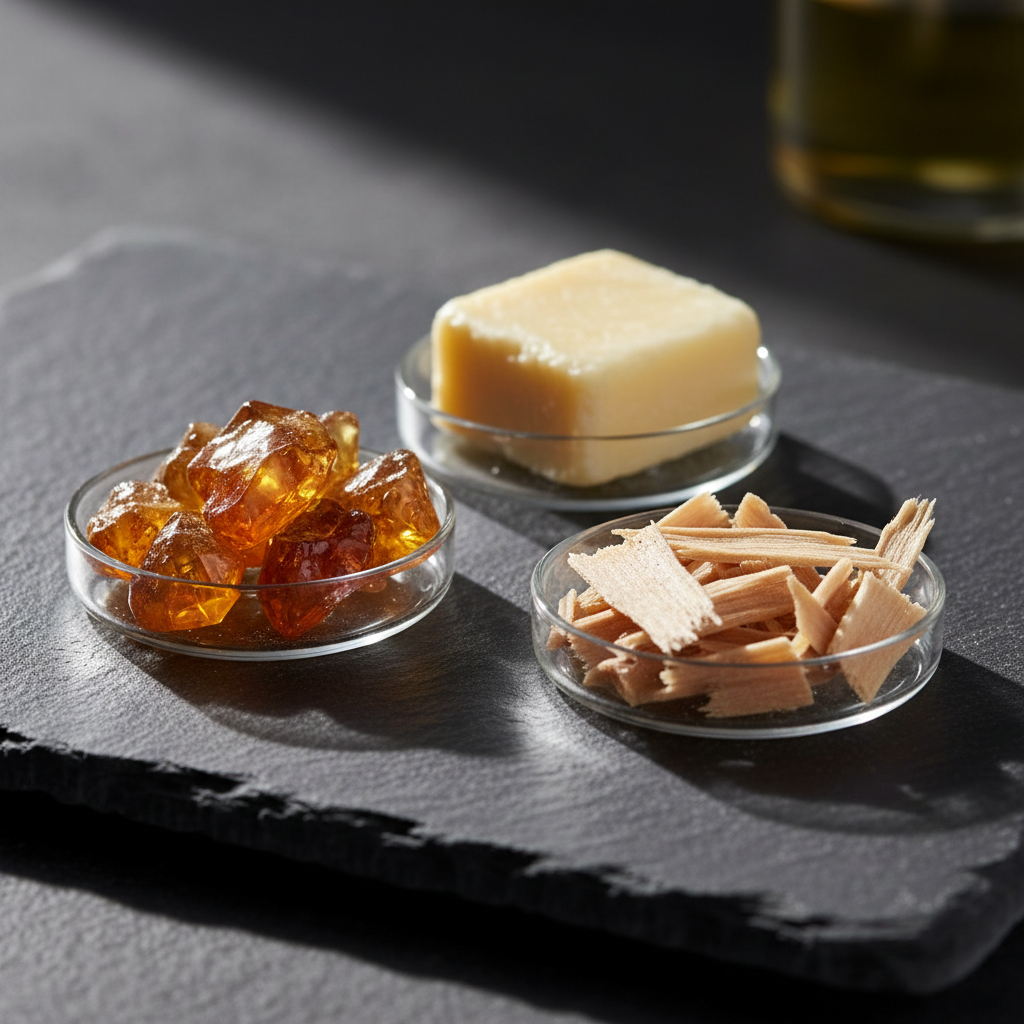
- Volatility curve: lighter aromatics exit first; heavier compounds linger and diffuse slowly.
- Concentration: extrait and quality oils often maintain a detectable skin-scent into late evening.
- Environment: heat boosts projection but may shorten top-note life; cold compresses sillage but can stretch total wear.
- Skin prep: moisturized skin reduces fast absorption and helps the base bloom at hour three onward.
Practical takeaway: treat your skin like a canvas. Hydration, application order, and even wardrobe fabrics influence both trail (sillage) and longevity. Many wearers find a single micro-mist to a scarf or jacket lining yields 2–3 hours of extra lift without overwhelming a room.
Types and approaches that actually last
For the longest lasting fragrance effect, reach for extrait de parfum, perfume oils, and base-forward EDPs. Favor amber, resin, woods, musk, leather, and iris/orris facets. Add subtle fixatives (labdanum, tonka) and consider a lotion or oil base to stabilize the accord.
Core concentration formats
| Format | Typical compound % | Expected longevity | Projection profile | Great for |
|---|---|---|---|---|
| Extrait de parfum | 20–40% | 10–14+ hours | Rich, close-to-moderate sillage | Desk-to-dinner |
| Eau de parfum (EDP) | 15–20% | 6–10 hours | Balanced sillage | Daily wear |
| Eau de toilette (EDT) | 5–15% | 3–6 hours | Airy projection | Warm weather |
| Perfume oil | Varies | 8–12+ hours | Intimate halo | Low-spray settings |
Note families that push longevity
- Amber/Resin: labdanum, benzoin, amber accords—slow, warm diffusion ideal for long wear.
- Woods: sandalwood, cedar, guaiac—creamy to smoky bases that endure into late evening.
- Musk: modern musks create a clean, persistent aura and extend base perception.
- Oud/Leather: deeper profiles with 10–12+ hour potential and assertive presence.
- Iris/Orris: the orris scent adds powdery-luxe texture and behaves like a gentle fixative.
Layering approaches
- Lotion + spray: unscented moisturizer, then 2–4 sprays to pulse points for EDP.
- Oil + EDP: a neutral or matching oil anchors the accord, smoothing transitions.
- Fabric boost: one light mist to scarf or jacket lining (always patch-test first).
For deeper dives into raw materials and performance, see this discussion of premium perfume ingredients and how they shape sillage and staying power.
Best practices for all-day wear
Prep skin, aim at pulse points, and right-size sprays to context. Two to four sprays often cover an EDP day; go lighter on extrait or oils. Reassess at hour six and add a micro-spray to fabric if the setting allows.
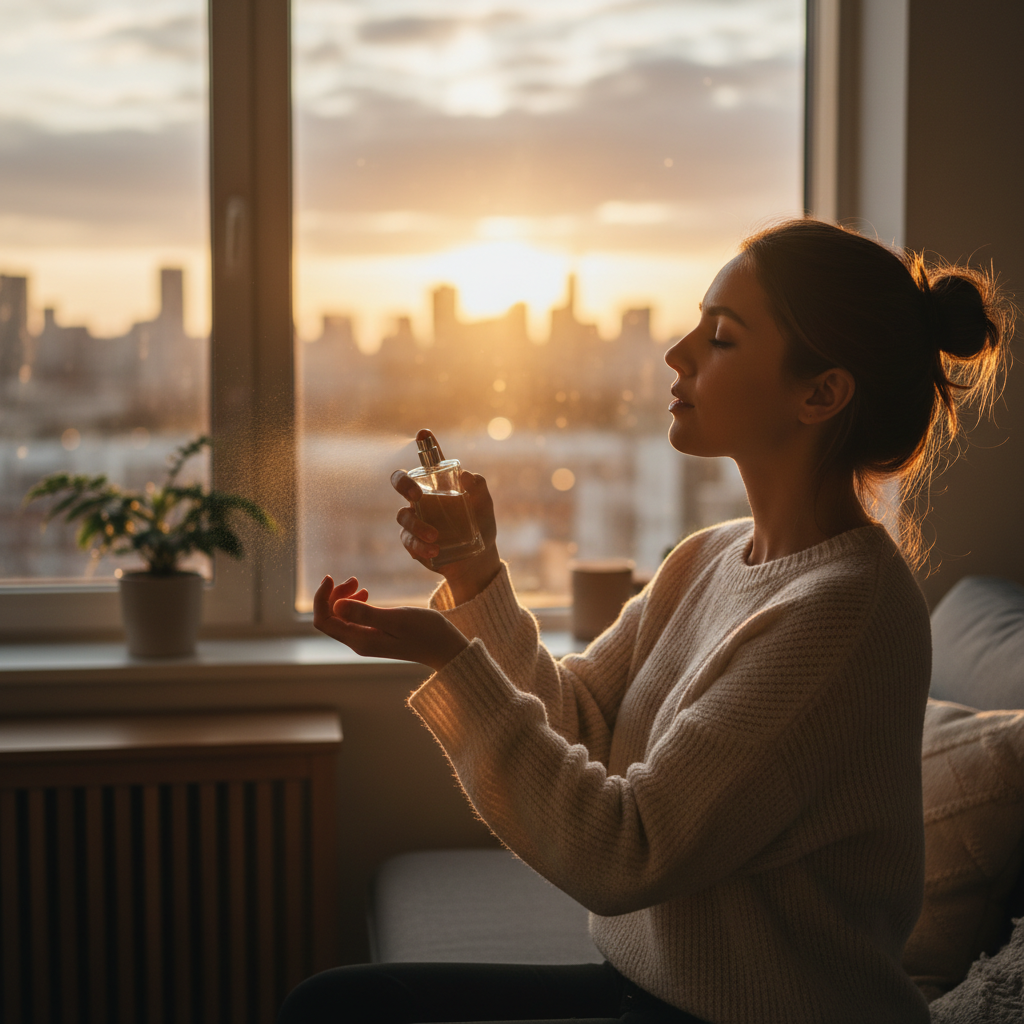
- Prime: shower, dry, moisturize (unscented) to reduce absorption and sharpen diffusion.
- Place: wrists, neck sides, chest, inner elbows—heat helps diffusion.
- Sprays: typical EDP 2–4; extrait 1–3; oil 1–2 swipes per area.
- Timing: apply 20–30 minutes before heading out to let alcohol lift and notes settle.
- Refresh: 1–2 micro-sprays or a dab of oil mid-day if needed; reassess in your environment.
Local considerations for your area
- In Canadian winters, indoor heating dries skin—use a richer moisturizer so scent doesn’t “sink.”
- During summer heat waves, ambers and ouds can bloom—dial back one spray for offices and transit.
- For cross-country travel, pack discovery vials; they’re carry-on friendly and perfect for mid-trip trials.
Want more practical pointers? Our perfume longevity Q&A collects small habits that add up to bigger wear-time gains.
Tools and resources
Use a guided finder, rotate discovery/sample sets, and track wear-time in a simple log. Test candidates across workdays, workouts, and evenings to confirm what truly lasts on your skin in your climate.
- Find Your Scent: a simple questionnaire shortlists long-wearing picks by mood, setting, and note profile.
- Discovery sets: trial 5–8 vials over a week; note hours to first fade and final skin-scent.
- Sample sets: repeat a favorite across different days to verify consistency and projection.
- Wear log: record start time, first compliment, reapplication, and last detectable whiff.
Deeper reading helps too. Explore the EDP longevity guide for format nuances, the perfume notes guide for composition basics, and this piece on niche perfume layering if you enjoy building subtle combinations.
Looking for men-forward direction? This high-end men’s perfume guide outlines profiles that wear powerfully yet tastefully in professional settings.
Case studies and real-world examples
Real wear varies by skin, season, and format. Testing discovery vials across full days shows which amber-woody or iris-amber blends survive commutes, meetings, workouts, and dinners. Small adjustments—moisturizer, spray count, or fabric—often change outcomes.
Case 1: Office-to-dinner workday
Scenario: Dry skin in winter; indoor heat. Approach: unscented lotion, two chest sprays, one at the neck. Result: detectable trail for 10–12 hours, softer sillage after hour eight, compliments at hours three and nine.
Case 2: Summer commute and gym
Scenario: Humid afternoon; public transit and a quick workout. Approach: two total sprays and one fabric mist to collar. Result: airy opening, steady heart, and a warm base still present past hour seven.
Case 3: Signature hunt via samples
Scenario: New to niche. Approach: five-vial discovery rotation with a simple wear log. Result: two amber-woody finalists; extrait edged EDP by ~2 hours with a smoother late dry-down.
For more long-wear angles, browse our all-day longevity guide and a broader men’s fragrances overview that balances projection and professionalism.
Frequently Asked Questions
These concise answers move you from theory to action. Focus on concentration, note selection, and simple routines that make fragrance last longer without overpowering your space.
Which concentration lasts the longest?
Extrait de parfum and many perfume oils usually last longest because they hold more aromatic compounds. Expect a richer, closer trail. Eau de parfum balances projection and longevity well for most daily situations.
Do certain notes naturally last longer?
Yes. Amber, woods (sandalwood, cedar), resins, musks, leather, and some iris/orris facets persist. Citrus and greens shine up top but fade faster, so they’re best as an opening to a base-forward build.
How many sprays should I use?
For most EDPs, two to four sprays is common; extrait often needs one to three. Place them on pulse points like neck and wrists. If you need more presence later, add one micro-spray to fabric and reassess.
Will layering help my scent last?
Usually. Moisturizer plus fragrance reduces absorption, while a neutral or matching oil can stabilize the base. Keep layers simple to avoid muddling; aim for lotion + fragrance, or oil + EDP.
Conclusion and next steps
To achieve the longest lasting fragrance effect, choose higher concentrations with base-forward accords, prep skin carefully, and test with discovery vials across real days. A guided finder and sample-first approach confirm the winner before you commit.
- Key actions: moisturize, apply to pulse points, and right-size sprays to context.
- Best bets: extrait or base-leaning EDPs built on amber, woods, musk, and orris.
- Proof: rotate discovery/sample sets and keep a simple wear log for one week.
Key takeaways
- The longest lasting fragrance pairs high concentration with dense base notes.
- Skin prep and placement matter as much as formula choice.
- Discovery and sample sets remove blind-buy risk and verify performance.
- Small tweaks—like one fabric mist—can add 2–3 hours of lift.
Ready to find your long-wear signature? Use Find Your Scent, order a discovery set, and wear-test across your week. When it consistently lasts, that’s your bottle.