

Fragrance ingredients are the raw aroma materials—citrus, florals, spices, woods, musks, ambers—built into top, heart, and base layers that shape a perfume from first spray to dry-down. Knowing them helps you predict how a bottle will wear on your skin so you can choose smarter discovery or sample sets.
By Auremie Perfumes • Last updated: July 12, 2026
Overview
If a scent wowed you on a strip but felt different at home, the note pyramid is why. Bright top notes vanish fast; the heart and base decide how you’ll smell for hours. We map core ingredient families to real Auremie perfumes you can actually test and compare.
What this guide helps you do quickly:
- Translate ingredients into what you’ll actually smell on skin—opening, heart, and dry-down.
- Match families to named Auremie perfumes you can sample right now.
- Build a 3–5 vial test plan using discovery/sample sets to avoid blind-bottle regret.
- Choose balanced, unisex scents if you want easy gifting or shared wear.
What Are Fragrance Ingredients (and Why They Matter When You Shop)
Fragrance ingredients are the building blocks of perfume—oils, isolates, and aroma molecules composed into top, heart, and base layers. Tops flash like a spark, hearts carry the story, and bases cling to skin. Understanding this arc lets you buy online with fewer surprises.
Buying advice grounded in wear, not theory:
- Pick openings you enjoy: If citrus feels like “you,” you’ll love the first 10 minutes every time.
- Decide the heart style: floral, spicy, or airy-clean—this is your all-day vibe.
- Choose a base for staying power: woods, ambers, musks, or vanilla-tonka decide longevity and trail.
- Test on skin: chemistry changes projection and sweetness—strips only tell the start.
The 5 Core Ingredient Families — With Real Scent Examples
Most perfumes blend five families—citrus, florals, spices/aromatics, woods/leathers, and ambers/musks/vanillas. Below, each family is paired with specific Auremie perfumes, so you can smell the idea on skin, not just read about it.
Spot your lane fast, then tap a bottle to explore:
| Ingredient family | What it feels like on skin | Auremie examples |
|---|---|---|
| Citrus & Fresh | Like cold sparkling water over ice—bright, clean, gone quick but mood-lifting | Citrafied, Dark Zest, Aquaris |
| Florals | From dewy and light to plush and dressy; the “personality” of the scent | Rosalia, Florence, Celestia |
| Spices & Aromatics | Warm lift and presence without heaviness—adds contour and intrigue | Dominus, Forbidden Crush, Aether |
| Woods & Leathers | Textured, cozy backbone from dry cedar to creamy sandalwood to soft suede | Ash Woods, Lush Suede, Santalum |
| Ambers, Musks & Vanillas | Glowing warmth or clean-skin radiance; the enveloping, lasting part | Mystere Noire, Eterna, Muskara, Vanthros |
| Marine & Airy (bonus) | Salt-kissed breeze, weightless and transparent—effortless daily wear | Ozean, Aquaris, Eclipse |
Examples you can almost smell: the bergamot pop in Citrafied hits like a twist of rind over seltzer; Rosalia is a dewy rose garden at first light; Lush Suede feels like slipping into a soft leather jacket; the amber in Eterna glows like late-afternoon sun through sheer curtains.
If you’re deciding between families, our perfume notes guide breaks down how each layer evolves and how to test without nose fatigue.
Top Notes: The First Impression Ingredients
Top notes are the quick spark—citrus, herbs, and airy fruits that announce the vibe in minutes. Judge them for joy, not longevity. They set the scene, then gracefully step back so the heart can speak.
Choose your favorite kind of spark:
- Citrus zest (bergamot, lemon): opening like iced tonic—try Citrafied or Dark Zest for that brisk, bright lift.
- Green-aromatic (herbal, leafy): crisp, breathable energy—sample Aether for a modern, airy gloss.
- Marine-airy (ozonic): sun-dried linen and sea spray—Ozean and Aquaris wear weightless yet polished.
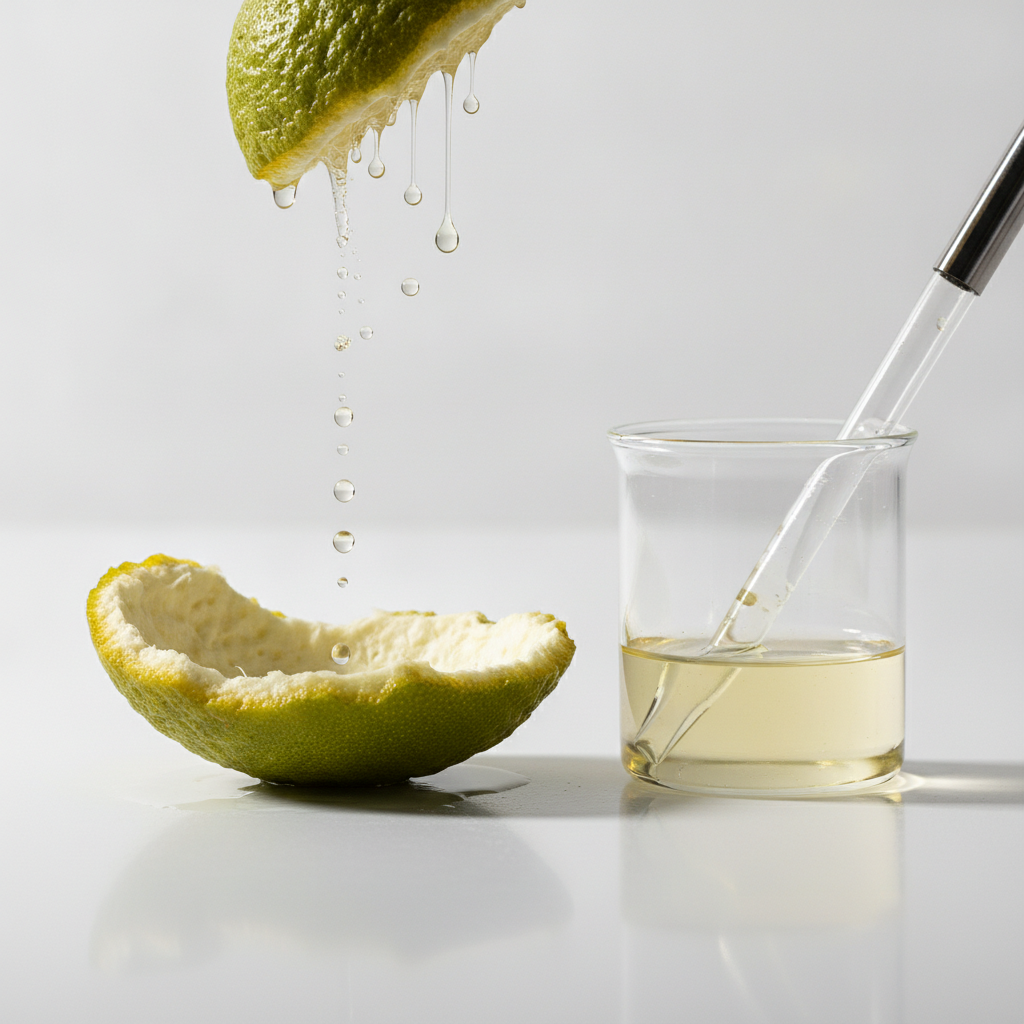
Testing tip we use daily: spray, wait 60 seconds, then smell on skin and strip. Tops can shout; the right heart quietly takes over within 10–15 minutes.
Heart Notes: The Ingredients That Define a Fragrance
Hearts decide the theme you’ll live with for hours—florals, spices, or a clean, weightless polish. If the heart suits your style, you’ll keep reaching for the bottle.
Pick the vibe you want to wear:
- Romantic florals: Rosalia is petal-fresh and quietly confident; Florence feels tailored, a little dressy; Celestia floats—light, luminous, and daytime friendly.
- Spiced lift: Dominus and Forbidden Crush warm up the room without turning heavy—great for evenings or cooler temps.
- Modern clean: Eclipse threads a quiet, polished line—office-to-dinner without demanding attention.
For versatile unisex hearts, mix airy florals with woods or aromatics; they read balanced, not binary. Our quick primer on unisex fragrances shows how ingredient choices shape that neutrality.
Base Notes: The Ingredients That Make a Scent Last
Bases anchor your dry-down—woods, ambers, musks, and vanillas decide how long you’ll smell great and how far your scent travels. If longevity matters, choose bases first and let the opening be a bonus.
Our take from testing across skin types:
- Woods: Sandalwood and cedar often cling better on dry skin than sheer ambers. Try Santalum for creamy endurance or Ash Woods for a drier backbone.
- Ambers & resins: Glow and presence with a soft halo—Mystere Noire and Eterna wrap like a warm scarf.
- Musks: Clean-skin radiance that feels quietly luxurious—Muskara adds a polished finish to anything.
- Vanilla-tonka: Comforting without tipping sugary—Vanthros smooths edges and softens the trail.
Prefer a wood-leather accent? Lush Suede adds plush texture; it’s the “soft jacket” layer many wish every scent had.
How to Use Ingredient Knowledge to Choose Your Next Perfume
Shortlist two families, sample 2–3 Auremie perfumes from each, and test through a full day. Note what delights you at the opening, what feels like you in the heart, and what you still enjoy at bedtime. That’s your keeper.
Use this 4-step plan:
- Pick two families: e.g., Citrus + Woods; Florals + Musks; Marine + Amber.
-
Build a trio per family:
- Citrus: Citrafied, Dark Zest, Aquaris
- Woods: Ash Woods, Santalum, Lush Suede
- Ambers/Musks: Eterna, Mystere Noire, Muskara
- Test properly: morning spray on strip and skin, check back at lunch (heart) and evening (base). Jot one line each time.
- Decide by role: daily driver, date night, weekend cozy, or gift-ready wild card.
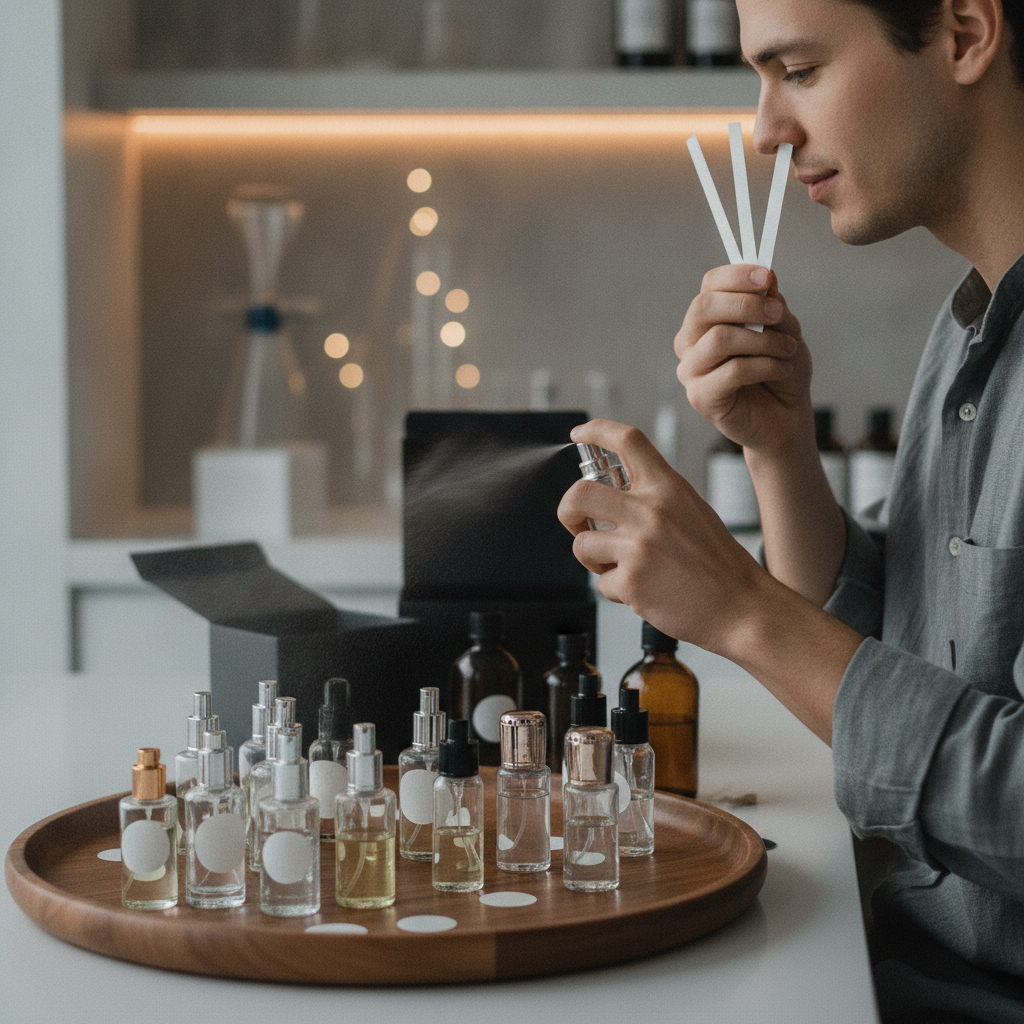
Need a nudge? Our quick explainer on niche fragrances outlines why premium materials read richer and last longer, so you can prioritize the right bases for your skin.
Tell us two ingredient families you enjoy (e.g., citrus + woods). We’ll recommend a tight sample lineup from Auremie so you can smell the difference side by side and pick a favorite with confidence.
FAQ
Quick answers to the ingredient questions shoppers ask most—clear, direct, and designed to help you decide faster.
Which ingredients usually last longest on skin?
Base-note families—woods, ambers/resins, musks, and vanilla-tonka—drive longevity. In our experience, sandalwood and suede-style bases cling especially well on dry skin, while clean musks give a steady, close-to-skin aura all day.
What’s the safest blind buy if I dislike big florals?
Aim for citrus or marine openings that dry down to woods or musks. Examples: Citrafied or Aquaris for the start, then Ash Woods, Santalum, or Muskara for comfortable, non-floral bases. Sampling first is still the smartest move.
Why does a perfume smell different at home than on a paper strip?
Strips exaggerate top notes and ignore skin chemistry. At home, temperature, humidity, and your skin’s natural scent alter projection and sweetness. Always test on skin and give it time to reach the heart and base before you decide.
Where can I learn more about individual ingredients?
For a deeper dive, browse ingredient glossaries and profiles from established sources like IFF’s Fragrance Ingredients Compendium, Vetiver Aromatics’ raw-material pages, and Byrdie’s beginner-friendly guide.
Key Takeaways
- Fragrance ingredients live in layers—top, heart, base—and each changes what you smell across the day.
- Pick families you love, then sample matching Auremie perfumes to confirm the opening, heart, and base work on your skin.
- For longevity, choose bases first: woods, ambers, musks, or vanilla-tonka; sandalwood often clings best on dry skin.
- Use discovery/sample testing in trios to compare side by side and avoid blind-bottle regret.