

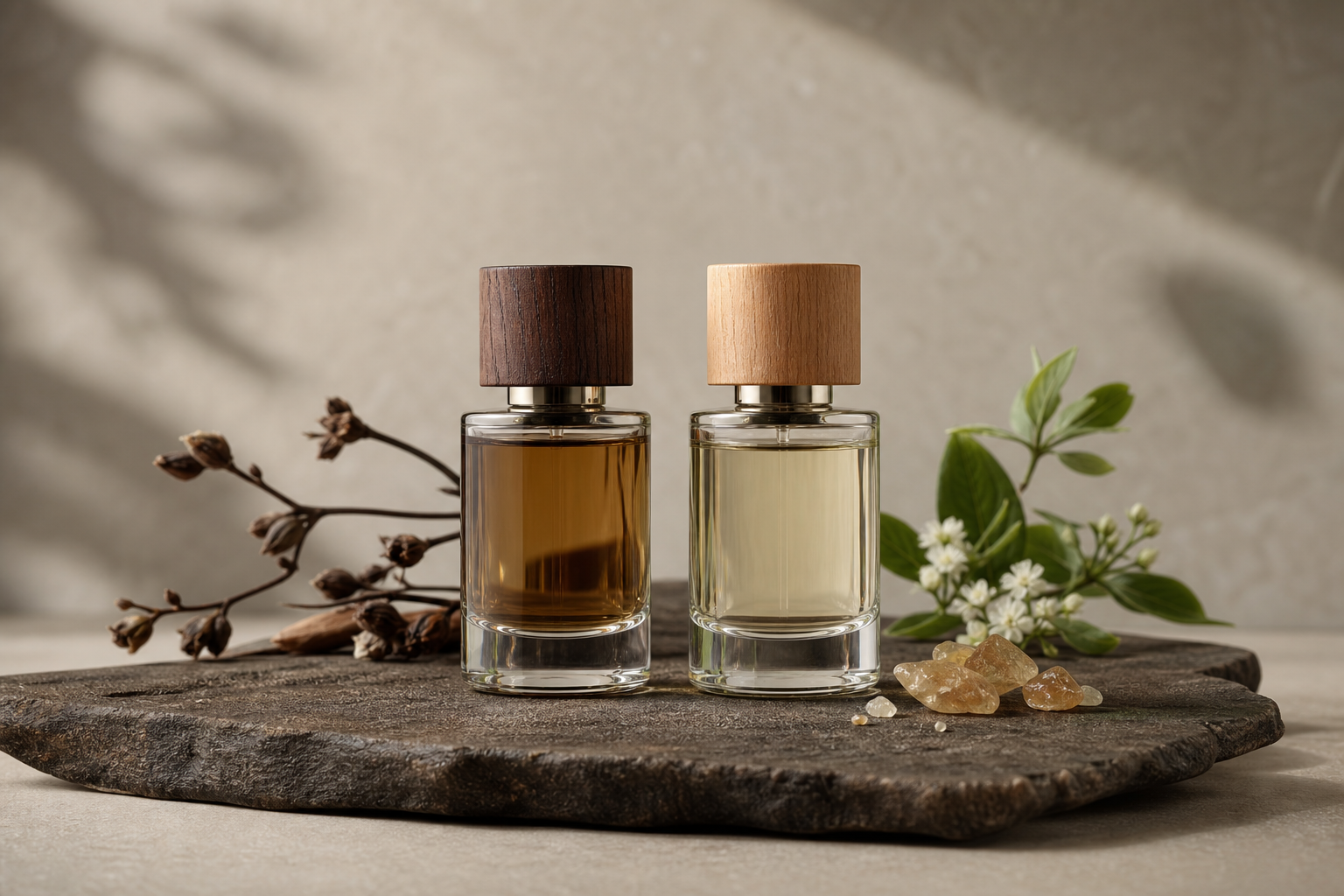
A Practical Guide to Unisex Scents
Unisex scents are fragrances created to be enjoyed by anyone, regardless of gender. Instead of leaning heavily into traditionally coded notes, they balance ingredients so the result feels broadly wearable yet personal on skin. This guide breaks down how unisex scents work, what to look for when choosing one, and how to wear, layer, and care for them to get the most from every spritz.
What are unisex scents?
At their core, unisex scents are compositions designed without a gendered audience in mind. They often sit at a point of equilibrium: neither overly sweet nor overly robust, bright nor brooding—though individual creations can skew in any direction. What makes them feel inclusive is the intent to prioritize harmony and character over conventional labels.
Unisex fragrances typically feature:
- Balanced structures that pair fresh or airy notes with warmer, grounding elements.
- Versatility across settings—office, social gatherings, daytime errands, or evenings out.
- Adaptability to skin chemistry, which can emphasize different facets for different wearers.
Importantly, “unisex” is a creative stance rather than a strict formula. You’ll find luminous citruses made complex with woods, airy florals deepened by musks, or spices softened with herbal and green tones. The through-line is a sense of balance and approachability.
Scent structure and families
Understanding structure helps you evaluate what you’re smelling and why it feels balanced.
- Top notes: The first impression—often citrus, aromatics, greens, or light fruits. These lift the opening and broadcast freshness.
- Heart (middle) notes: The core personality—florals, spices, tea accords, or herbal nuances that define the theme.
- Base notes: The lasting foundation—woods, musks, resins, ambers that provide warmth and longevity.
Common fragrance families that often yield successful unisex profiles include:
- Citrus-aromatic: Zesty bergamot, grapefruit, or lemon with herbs like rosemary, lavender, or basil for a crisp, clean feel.
- Woody: Cedar, sandalwood, vetiver, or guaiacwood, sometimes paired with light florals or citrus to keep things airy.
- Floral-woody-musk: Transparent florals (like iris or jasmine in a diaphanous style) reinforced with soft musks and woods.
- Green: Tea, fig leaf, galbanum, or leafy accords that read calm, natural, and understated.
- Spice-forward: Cardamom, pink pepper, or ginger brightened by citrus and anchored by woods or light ambers.
How to choose a unisex scent
Use this decision framework to narrow choices quickly and confidently:
- State your goal: Everyday signature, special occasion, or mood-booster? Clarity here filters the noise.
- Pick a performance lane: Do you prefer a close-to-skin aura or a more radiant presence? Seek lighter or richer bases accordingly.
- Choose two anchor families: For example, “citrus + wood” or “green + musk.” Sampling within a defined lane accelerates finding a match.
- Check versatility needs: If you want one-bottle simplicity, favor balanced, mid-weight blends that neither skew too fresh nor too deep.
- Test on skin: Apply to clean, moisturized skin and wait through top, heart, and dry-down stages (at least 2–4 hours) before deciding.
Pro tip: If you’re often between seasons or climates, look for compositions with both freshness (citrus or herbals) and structure (woods or musks); they flex better across temperatures.
Decoding notes you may love
If you’re unsure what you like, start with notes that read broadly appealing and then refine based on what your skin highlights.
- Bergamot, grapefruit, mandarin: Bright, uplifting, and easy to wear.
- Tea, fig, cucumber, aquatic-green tones: Calm, minimalist, and quietly sophisticated.
- Cardamom, pink pepper, ginger: Gentle spice that adds sparkle without heaviness.
- Iris, jasmine (sheer styles), neroli: Airy florals that keep the center graceful and unisex.
- Cedar, vetiver, sandalwood: Clean, grounding bases with varying textures—pencil-shaving crispness (cedar), earthy-dry (vetiver), or creamy-soft (sandalwood).
- Soft musks and ambers: Skin-like warmth and diffusive comfort in the dry-down.
Building a versatile wardrobe
A compact, well-planned lineup can cover most situations without overlap. Consider this five-piece unisex wardrobe:
- Daily driver: A balanced citrus-woody or green-musk blend that feels easy and polished.
- Quiet professional: A tea, iris, or soft floral-woody that stays close to skin.
- Feel-good fresh: Brisk citrus-aromatic to reset and energize.
- Evening character: Spiced-woody or amber-woody with lift—present but not overpowering.
- Wildcard: Something unexpected (mineral, smoky-green, resin-light) for creative moods.
If you prefer minimalism, choose one mid-weight unisex scent and one fresh or deeper counterpart to rotate by temperature or occasion.
Layering unisex fragrances
Layering lets you create nuance without buying entirely new bottles. Keep it simple and intentional:
- One anchor + one accent: Start with a balanced woody-musk base, then add a light citrus or tea mist for brightness.
- Complement, don’t compete: Match intensities; airy over airy, richer over richer, or a whisper over a quiet base.
- Focus on dry-down harmony: Test small combinations and let them settle for 30–60 minutes before committing.
- Limit to two layers: Three or more often muddies the profile.
Application and longevity tips
Regardless of concentration, technique affects what others perceive.
- Prep skin: Lightly moisturized skin holds aroma molecules more effectively than very dry skin.
- Spray strategy: Start with 2–4 sprays: one to the chest, one to the back of the neck or collarbone area, and one or two to clothing from a distance. Adjust by environment.
- Avoid rubbing: Dab rather than rub wrists together to preserve the opening.
- Refresh smartly: Reapply a single light spray rather than stacking many; this keeps the profile coherent.
- Clothing care: Spray from 20–30 cm and avoid delicate fabrics to prevent staining.
Testing before you commit
Because skin chemistry changes how notes appear and fade, always test directly on skin. A simple, repeatable method:
- Try two candidates per arm, spaced apart.
- Note your impression at 5 minutes (top), 45–60 minutes (heart), and 3–4 hours (dry-down).
- Wear each at least twice—on a cool day and a warm day—before deciding.
- Pay attention to comfort: if you stop noticing it in a pleasant way, that’s a strong sign for daily wear.
Matching scent to occasion
Unisex doesn’t mean one-size-fits-all. Consider the setting and social context to dial in presence:
- Work and study: Choose restrained citrus-greens, tea, or soft woods that stay close to skin.
- Casual daytime: Crisp citrus-aromatics or transparent florals with musks for an easygoing feel.
- Evenings and events: Spiced-woody or amber-woody blends with a touch of brightness for lift without overwhelming.
- Outdoors: Green, herbals, and vetiver-driven woods read natural and breezy.
Etiquette and projection
Projection is how far your scent travels; sillage is the trail it leaves. A few social rules of thumb:
- In enclosed spaces, keep to 1–3 sprays and favor lighter families.
- For dinners, go easy on very diffusive notes so they don’t compete with food aromas.
- Outdoors or larger venues tolerate an extra spray, especially with airy or green compositions.
Storage and care
Proper storage preserves the profile you fell in love with:
- Keep bottles away from heat, light, and humidity—cool, dark cupboards are ideal.
- Minimize air exposure by capping tightly after use.
- Decant small amounts if you frequently travel, leaving the main bottle undisturbed.
Troubleshooting common issues
- “It disappears fast.” Try applying on moisturized skin, add one spray to clothing from distance, or explore woodier/muskier bases.
- “It turns sharp or sour on me.” Sample adjacent families—if citrus sours, try tea/green; if florals sharpen, try woody-musk with softer spice.
- “It’s too strong.” Reduce sprays, apply lower on the torso, or layer with an unscented lotion to soften diffusion.
- “I’m nose-blind by midday.” Take short scent breaks; consider a single-later-day refresh to regain perspective without over-spraying.
FAQ: Unisex scents
Are unisex scents just lighter versions of traditionally masculine or feminine perfumes?
No. While some unisex creations lean airy, unisex refers to intent and balance rather than strength. You’ll find everything from crisp, subtle blends to rich, evening-ready compositions labeled unisex.
How do I tell if a fragrance will feel unisex on me?
Check the note balance. If bright top notes (citrus, herbs, greens) are supported by a stable base (woods, musks, soft ambers) and the heart avoids heavy sweetness or extreme density, it’s likely to wear broadly unisex. Always test on skin to confirm.
Can I layer two unisex scents without clashing?
Yes—choose one anchor and one accent, match intensity, and test the combo for at least 30 minutes. Classic pairings include woody-musk bases with a quick mist of citrus, tea, or soft spice on top.
What’s the best number of sprays for everyday wear?
Two to four well-placed sprays suit most environments. Adjust down in close quarters and up slightly in open air, focusing on chest, collarbone, or the back of the neck rather than pulse points you might rub.
Do seasons matter for unisex scents?
Yes. Fresher green or citrus-leaning blends feel effortless in warmer weather, while woody, musky, or lightly spiced profiles add comfort in cooler months. A balanced mid-weight formula bridges seasons well.