

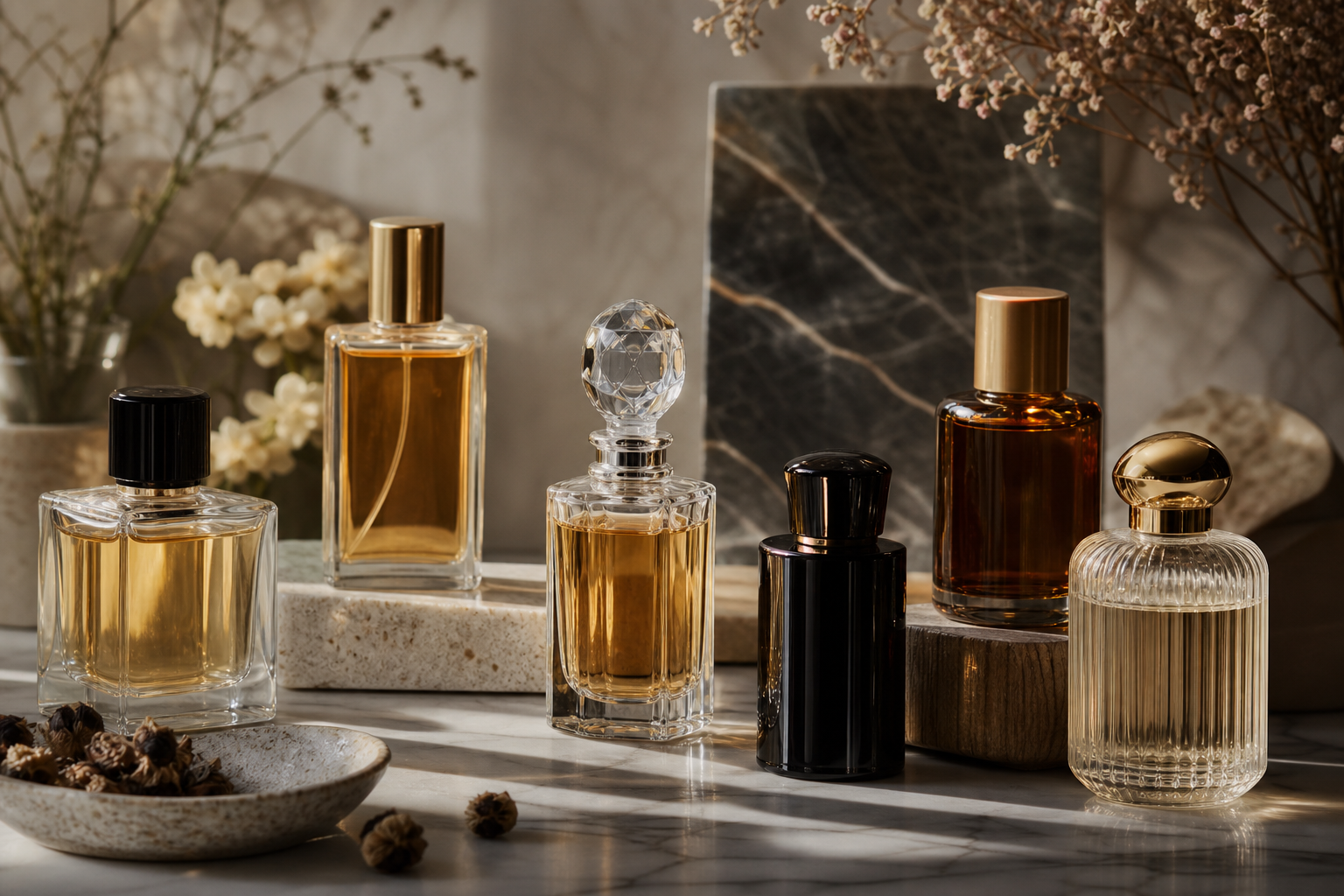
A Practical Guide to Niche Perfume Houses
Niche perfume houses attract fragrance lovers who want characterful, well-crafted scents rather than mass appeal alone. If you’re curious about what makes these brands different and how to navigate the discovery process without overwhelm, this guide offers a clear framework—from understanding compositions to testing methods, comparative evaluation, and building a versatile wardrobe you’ll actually wear.
What makes a niche perfume house “niche”?
While there’s no single legal definition, the term “niche” in perfumery typically refers to houses that focus on artistic direction and a distinctive point of view. Rather than chasing the broadest possible audience, these brands tend to emphasize creative storytelling, unique note pairings, and memorable structures. This can translate into bolder choices—unexpected materials, textured accords, and compositions that unfold in ways you may not find in mainstream releases.
Key characteristics often associated with niche perfume houses include:
- Clear creative identity and olfactive signature across releases
- Curated collections that explore themes, moods, or specific raw materials
- Emphasis on composition structure and the wearer’s journey from top to dry-down
- Discovery tools such as sample and discovery sets to help you explore before committing
How a fragrance is built
Understanding structure helps you evaluate what you smell. Most perfumes are organized into three stages:
- Top notes: The opening impression. Often bright, volatile materials (such as citrus or airy aromatics) that lift quickly.
- Heart (mid) notes: The character-defining core. Florals, spices, fruits, or woods often shape the narrative here.
- Base notes: The long-lasting foundation. Resins, musks, woods, and balsams contribute depth and persistence.
As the scent evolves, the balance shifts. An opening can be radiant and zesty, the heart plush and textural, and the base warm, resinous, or musky. Evaluating a niche composition means giving it time to travel through these phases before deciding.
Olfactory families and what they mean
Grouping scents by style can make the landscape of niche perfume houses easier to navigate. While every fragrance is unique, you’ll encounter families like:
- Citrus and aromatic: Sparkling, brisk openings with herbs or airy florals; ideal for daytime clarity.
- Floral: From dewy and sheer to lush and opulent. Soliflores (one flower in focus) or bouquets (several interlaced).
- Woody: Cedar, sandalwood, vetiver, and oud, ranging from clean and pencil-shavings crisp to creamy or smoky.
- Amber and resinous: Labdanum, benzoin, and vanillic warmth that reads plush, enveloping, or softly sweet.
- Spice and gourmand: Cardamom, cinnamon, cacao, or edible facets; can feel cozy, festive, or indulgent.
- Chypre and fougère: Classic structures. Chypres balance citrus, florals, oakmoss-style nuances; fougères lean herbal-lavender with woody-musky depths.
- Musk and skin scents: Subtle, intimate compositions that amplify your natural aura rather than project loudly.
Knowing the families you tend to reach for helps you filter choices efficiently when browsing niche collections.
A reliable sampling method
Sampling is the most efficient way to explore niche perfume houses. A consistent method gives you apples-to-apples comparisons and helps avoid nose fatigue.
- Start small: Choose a focused set (for example, five to eight scents) that represent different families or moods you’re curious about.
- Test on blotters first: Spray once per strip and label. Note immediate impressions and any associations the opening suggests.
- Shortlist for skin: From the blotters, pick two to four to wear. Place them on separate pulse points to avoid overlap.
- Time checkpoints: Smell at 5 minutes (top), 45–60 minutes (heart), and 4+ hours (base). Record how the scent transitions.
- One wear per day: Give your nose a break between tests. Hydrate and step into fresh air if you feel overwhelmed.
- Revisit: Body chemistry, weather, or setting can change your read on a fragrance. Repeat wears before deciding.
The wardrobe framework
Instead of hunting for a single “perfect” bottle, think in terms of a small, purposeful wardrobe. A versatile niche lineup often covers:
- Daily driver: Effortless, comfortable, and polished; works in most settings.
- Statement piece: Distinctive and character-forward; great when you want to stand out.
- Cozy comfort: Soft, calming notes for evenings or downtime.
- Seasonal switch: A bright warm-weather pick and a deeper cool-weather option.
- Wildcard: An experimental scent that stretches your taste and keeps the wardrobe fresh.
Use this structure to prevent overlap and keep each bottle fulfilling a clear role. If two candidates feel redundant, pick the one you reach for spontaneously.
Reading a scent like a pro
When evaluating, go beyond “like” or “don’t like.” Use specific prompts to sharpen your sense memory:
- What’s the texture—sheer, velvet, resinous, airy, syrupy, mineral?
- Does the scent move in a straight line or change distinctly over time?
- Where does it sit—close to skin or diffusive in the first hour?
- Which note family sets the mood? Do secondary notes add contrast?
- Is there a moment in the wear you especially enjoy (opening pop, heart harmony, or dry-down glow)?
Writing brief, time-stamped notes creates a personal reference you can compare across houses.
Matching scent to occasion and style
Niche choices shine when they suit context. Try aligning to the moment:
- Daytime and work: Airy aromatics, gentle woods, or soft florals that feel tidy and unobtrusive.
- Evenings: Spiced ambers, resinous woods, or textured florals that carry through dimmer lighting and longer nights.
- Outdoors and travel: Flexible, balanced compositions that handle temperature shifts.
- Celebrations: Lusher or more faceted builds that read festive and memorable.
If you’re unsure, test the same fragrance across different settings; the right context often reveals itself.
Care, application, and wear tips
Small habit changes can improve both experience and consistency:
- Hydrate skin first: Slightly moisturized skin can help scent feel rounder.
- Apply to pulse points: Wrists, inner elbows, or the chest. Avoid rubbing after spraying.
- Mind clothing and hair: A light mist on fabric or hair can create a gentle aura; test on an inconspicuous area first.
- Storage: Keep bottles away from heat, light, and humidity to preserve integrity.
- Seasonal rotation: Revisit what you own as weather changes; some scents bloom in warmth, others in cool air.
Compare-and-decide checklist
Use this quick list to finalize choices among niche perfume houses:
- Does the fragrance fill a specific wardrobe role I’m missing?
- Do I enjoy the heart and dry-down as much as (or more than) the opening?
- Is the style versatile for my life, or is it a special-occasion piece I’m excited to wear?
- After three separate wears, do I still reach for it without overthinking?
- Compared to similar scents I’ve tested, what makes this one distinct?
Red flags and reliable signs
When exploring, consider the following signals:
- Red flags: Confusion about which scent you’re trying due to poor labeling; descriptions that don’t match what you smell after multiple wears; fatigue from trying too many at once (pause and reset).
- Reliable signs: A scent that feels comfortable on repeated wears; a clear theme you can describe; transitions you look forward to as it develops.
Glossary: quick reference
- Accord: A blend of materials that creates a unified new impression (for example, a “leather” effect).
- Dry-down: The later stage of wear, when base notes are most prominent.
- Projection: How far a fragrance radiates from the skin in the first hour or two.
- Sillage: The lingering trail left in the air as you move.
- Soliflore: A composition focused on the character of a single flower.
Frequently asked questions
How many samples should I test at once from a niche perfume house?
Keep it manageable so you can compare thoughtfully. Five to eight in an initial round works well for most people, followed by two to four on-skin tests per day. Spacing out wears over several days reduces fatigue and gives you a reliable read.
What if I love the opening but the dry-down feels different?
Openings can be vivid but brief. The heart and base define how a fragrance actually wears on you. If the dry-down doesn’t resonate after multiple trials, note which base qualities (woody, resinous, musky, sweet) felt off and pivot toward alternatives that emphasize the textures you prefer.
How do I avoid overlap when building a small collection?
Assign each bottle a role (daily driver, statement piece, cozy comfort, seasonal switch, wildcard). If two scents compete for the same role and mood, choose the one you instinctively reach for and whose dry-down you value most.
Is it better to test on skin or blotters?
Both help in different ways. Blotters make first-pass comparisons easy and reduce nose fatigue. Skin tells the full story, revealing transitions and how the composition interacts with your chemistry. Use blotters to shortlist, then test finalists on skin.
What’s the best way to store perfumes from niche houses?
Store bottles upright, away from direct light and heat, ideally in a cool, dry place. This helps preserve the composition over time.