

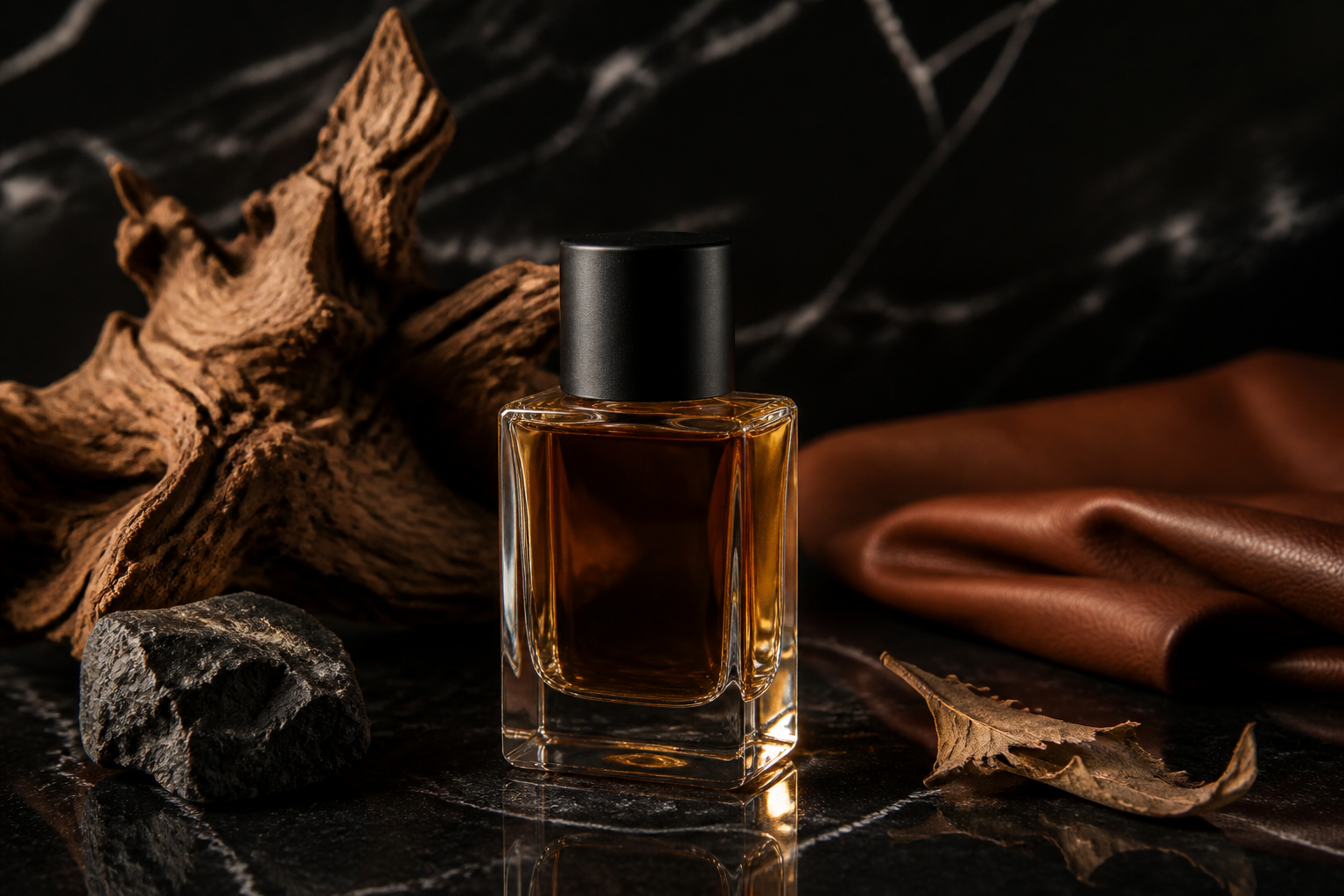
niche perfume for men: selection, layering, and wearability checklist
Looking for a niche perfume for men that actually fits your style, daily routine, and environment can feel overwhelming. Between note pyramids, concentrations, performance talk, and endless sample vials, it’s easy to get lost. This step-by-step guide strips out the noise and gives you a practical way to identify what you like, test with confidence, and wear your choice well—without buyer’s remorse.
What makes a niche men’s scent “niche”?
“Niche” generally refers to fragrances created with a strong creative direction and a focused point of view. Rather than chasing mass appeal, these compositions often highlight distinctive materials, bolder contrasts, or unusual structures. For men, that might mean twists on familiar themes (woods, leather, aromatic herbs) or unisex-leaning blends that explore florals, gourmand nuances, or mineral notes with modern restraint. The result isn’t about being loud; it’s about character, clarity, and an intentional mood.
Build your scent profile in 10 minutes
Use this quick exercise to frame your preferences before you sample anything. Write down the following:
- Occasions: daily office, dates, weekend casual, black-tie, gym bag freshen-up.
- Vibe targets: clean-cut, rugged, warm, mysterious, creative, minimalist, elegant.
- Comfort zone notes: citrus, aromatic herbs, lavender, woods, leather, spices, incense, musk, vanilla, amber, florals.
- Temperature context: mostly warm, mostly cool, or mixed climates. Richer notes generally wear cozier in cold; airy notes feel more comfortable in heat.
- Projection preference: intimate skin scent, moderate presence, or statement sillage.
Now pick one anchor per line. This becomes your “brief” for choosing samples and full bottles.
Core note families and what they communicate
Think of note families like wardrobes for different roles you play. None are “better”—they simply signal different moods.
- Citrus and aromatics: brisk, focused, daytime-friendly. Great for interviews, presentations, and spring/summer wear.
- Woods (cedar, sandalwood, guaiac): grounded, confident, versatile. A foundation for work or evening.
- Leather and tobacco: textured, grown-up, and evocative. Well-suited to after-hours and cool weather.
- Resins and incense: contemplative, elegant, sometimes meditative. Excellent for quiet confidence or formal wear.
- Spices (cardamom, pepper, cinnamon): energetic to sultry depending on balance. From crisp to cozy.
- Ambers, vanilla, tonka: warm, smooth, inviting. Casual luxury, date night, or cold weather comfort.
- Floral and musks: modern and nuanced. From clean, soapy minimalism to soft-focus sensuality.
Concentration, projection, and wear time
Labels like eau de parfum (EdP) and extrait de parfum indicate the concentration of aromatic compounds in alcohol, which can influence intensity and duration. Higher concentration isn’t automatically “better”—it may read denser and closer to the skin rather than louder. Projection (how far your scent radiates) is shaped by the formula, your skin chemistry, application points, and the environment. Use your profile to decide whether you want a subtle veil or a noticeable trail.
Sampling strategy that actually works
Sampling saves money and speeds up clarity if you approach it with structure. Here’s a simple plan:
- Shortlist five to seven scents that fit your brief. Avoid sampling twenty at once; you’ll lose the plot.
- Test two per day, max. One on each arm, with space between sprays.
- Wear each at least twice. Fragrances unfold differently with mood, weather, and hydration.
- Journal the top, heart, and dry-down at 0, 30, 120, and 360 minutes. Note how it makes you feel.
- Eliminate quickly. If you’re unsure after two full wears, it’s probably not “the one.”
Skin chemistry and environment
Natural skin lipids, hydration level, and even your soap and lotion can influence how a composition reads. Dry skin may mute brightness or shorten the impression; well-moisturized skin can soften sharp edges and extend the experience. Heat accelerates diffusion (citrus and aromatics pop), while cold emphasizes denser accords (woods, resins, amber). Keep your test conditions as consistent as possible when comparing options.
Occasion mapping, from desk to dinner
Use this simple map to cover most scenarios with one to three bottles:
- Office hours: clean citrus-aromatic or minimalist musk with moderate projection for a non-intrusive, polished presence.
- Evening and dates: spice-tinged amber, woods with a soft vanilla undertone, or leather with a tempered sweetness.
- Weekends and travel: versatile woody-citrus that adapts, or a gentle gourmand-leaning blend for cozy settings.
- Formal events: incense and resinous woods, or a refined floral-amber with well-managed sillage.
Layering with purpose
Layering can add dimension, but it works best when you edit, not stack everything you own. Try these pairings:
- Fresh over warm: a bright citrus on pulse points over a light vanilla-amber base—clean opening, inviting finish.
- Woody frame: a cedar-forward scent anchors a fleeting citrus, giving your freshness a longer runway.
- Soft contrast: sheer florals or musks under a dry leather to round off edges without sweetening too much.
Tip: Keep both sprays light (one to two each). If either fragrance is already strong, skip the double application.
Application that respects the composition
How you apply can change the experience dramatically:
- Pulse points, not clouds: wrists (don’t rub), inside elbows, chest, and the dip at the base of the neck.
- Adjust to context: two sprays for close-quarters; three to four for open-air situations.
- Clothing care: a light mist on fabric can extend presence, but test first—some materials stain.
- Reapplication: before topping up, smell yourself outdoors; nose fatigue can trick you indoors.
Storage and bottle care
Preserve your niche perfume for men by limiting its exposure to heat, light, and air. Store bottles upright in a cool, dark place. Keep caps secure, and avoid frequent decanting unless necessary. If you use travel atomizers, choose quality components and clean them between fills to avoid cross-contamination.
Common pitfalls to avoid
- Blind buying beyond your profile. Samples first—then commit.
- Chasing performance only. A long-lasting scent you don’t enjoy is still a miss.
- Over-spraying in close spaces. Courtesy matters as much as taste.
- Testing ten scents per arm. Olfactory fatigue ruins decision-making.
- Writing off a scent too quickly. Give it two full wears in different settings.
Building a small but mighty wardrobe
You can cover most needs with a three-bottle plan:
- Signature daily: a balanced woody-citrus or aromatic musk—clean, adaptable, not distracting.
- Evening character: a nuanced amber, leather, or resin blend—memorable but restrained.
- Seasonal switch: rotate a brighter summer option and a cozier winter choice, even if they share a theme.
If you prefer a single bottle, choose something that starts crisp and dries down warm. Aim for a scent that mirrors your clothing style and social cadence.
Testing checklist (printable)
- Does it match my brief (occasion, vibe, notes, projection)?
- Do I like the top? The heart? The dry-down after four hours?
- Is it comfortable in my most common temperature range?
- How many sprays feel right before it becomes intrusive?
- Does it layer with one thing I already own, if needed?
- Would I confidently reach for it twice a week?
FAQ: niche perfume for men
How many sprays are ideal for office wear?
Start with two: one on the chest and one at the base of the neck. If your scent is very airy, add a light wrist spray. When in doubt, test at work and ask a trusted colleague who sits nearby.
Why does a fragrance smell great on a tester strip but different on my skin?
Skin lipids, hydration, and body temperature interact with the formula, shifting diffusion and how notes balance over time. Strips are useful for first impressions; final decisions should be made after at least two skin wears.
Can a single scent work year-round?
Yes, if it’s balanced. Look for a composition that opens fresh (citrus, herbal, or airy florals) and settles into light woods or an unobtrusive amber. Adjust spray count with the season—less in heat, a touch more in cold.
What’s the best way to make a fragrance last longer?
Apply to well-moisturized skin, choose pulse points that aren’t covered too tightly, and consider one light fabric mist after testing for staining. Reapply sparingly only after verifying that others can still smell it.
Is layering necessary to get complexity?
No. Many niche compositions are designed with a complete evolution. If you do layer, pick one anchor and one accent, keep both light, and ensure they share a tonal link (for example, woods anchoring citrus).