

A mens fragrances guide is a practical framework for choosing, testing, and applying cologne so you smell great and your scent lasts. It explains fragrance families, concentration, skin prep, application points, storage, and etiquette—helping you build a confident rotation for work, dates, weekends, and travel.
At a Glance: What You’ll Learn
This guide shows men how to pick the right scent, test it smartly, apply it for maximum longevity, and store it correctly. You’ll learn the core fragrance families, how concentrations affect performance, step-by-step testing, layering basics, travel tips, and when to wear what—backed by Auremie’s discovery and guidance tools.
- Choose with confidence: Use notes, families, and concentration to narrow choices fast.
- Test like a pro: Sample on skin, track drydowns, avoid nose fatigue, and compare fairly.
- Apply for longevity: Prep skin, pick pulse points, control sprays, and layer thoughtfully.
- Build a rotation: Match scents to seasons, settings, and dress codes.
- Care and storage: Keep bottles fresh, pack for travel, and avoid common mistakes.
- Use the right tools: Discovery/sample sets, a Find Your Scent quiz, and simple checklists.
Quick Answer
The simplest mens fragrances guide is this: sample first, apply to moisturized skin, spray 2–4 times on pulse points, and match scent to season and setting. Auremie Perfumes ships quickly from Ontario, Canada and offers discovery sets plus a Find Your Scent tool to help you decide.
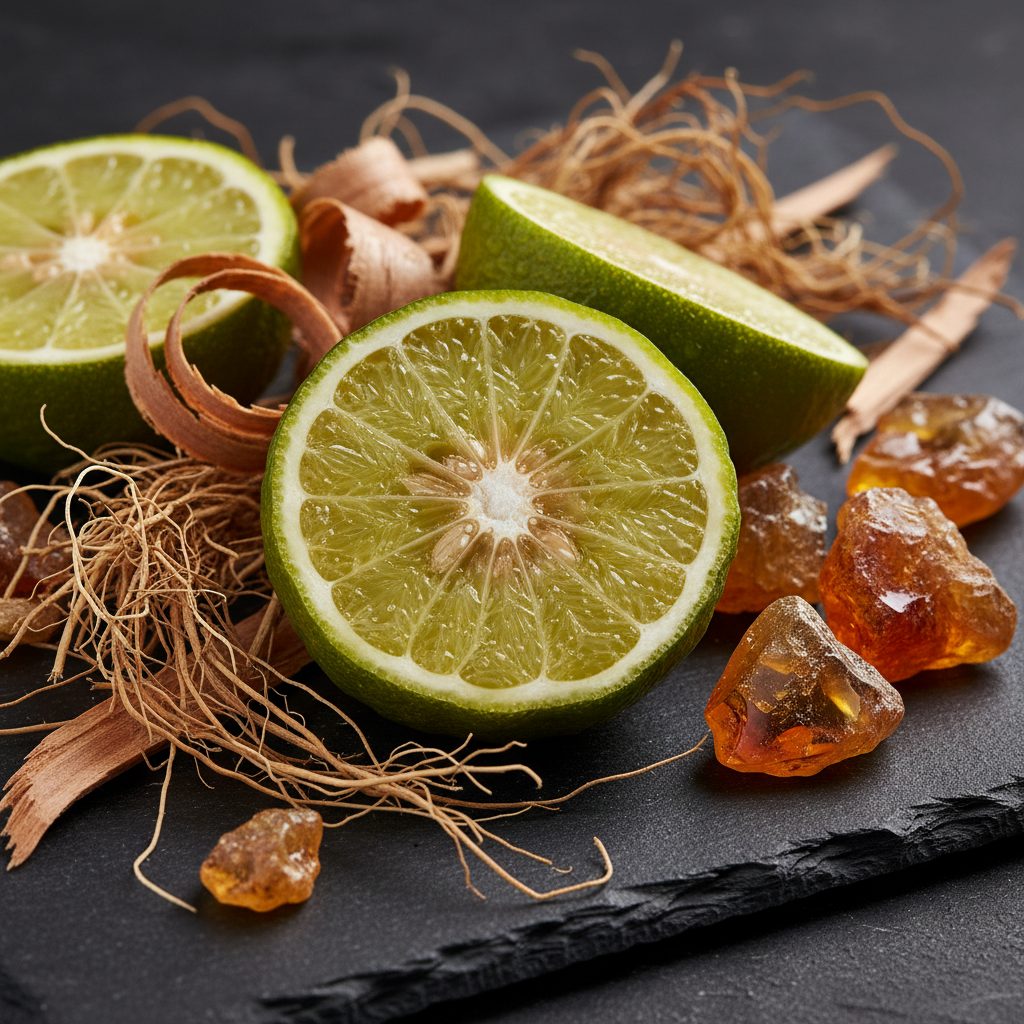
What Is a Men’s Fragrance (and How It’s Built)?
A men’s fragrance is a structured blend of aroma molecules organized as top, heart, and base notes within a solvent (often alcohol). The blend’s concentration (e.g., EDT, EDP) and raw materials determine performance—how quickly it opens, evolves, projects, and how long it lasts on skin and fabric.
-
Pyramid anatomy:
- Top notes (0–30 min): Fresh first impressions—citrus, aromatics, light fruits.
- Heart notes (30–180 min): The theme—florals, spices, herbals, tea, incense.
- Base notes (3–12 hrs): Fixatives and depth—woods, resins, musks, amber, leather.
- Common masculine families: Aromatic fougère, woody, fresh citrus, ambery, leather, aquatic, and gourmand-leaning woods.
- Concentration matters: Eau de toilette (EDT), eau de parfum (EDP), parfum/extrait—higher oil concentration typically lengthens wear and softens projection.
- Why it matters: Understanding structure helps you predict evolution and choose confidently for the office, gym, or evening.
In our experience testing modern compositions across different climates, EDP formats usually give a rounder, longer drydown while EDTs feel brighter and more casual early on. Skin chemistry still rules—always test on your wrist or forearm before deciding.
| Concentration | Typical Feel | Projection | Longevity Tendency | Use Case |
|---|---|---|---|---|
| Eau de Toilette (EDT) | Bright, airy, sparkling | Moderate early lift | Shorter to medium | Daytime, casual, warm weather |
| Eau de Parfum (EDP) | Richer, smoother, fuller | Controlled, rounded | Medium to long | Office, dates, year-round |
| Parfum/Extrait | Deep, intimate, luxurious | Subtle halo | Long to very long | Evening, special occasions |
Self-contained answer: A men’s fragrance blends top, heart, and base notes. Concentration (EDT/EDP/parfum) shapes projection and longevity. To judge performance fairly, test on clean, moisturized skin and track the drydown for at least 4–6 hours, noting how the heart and base emerge after the opening fades.
Why a Thoughtful Scent Strategy Matters
Fragrance influences first impressions, recall, and confidence. A clear plan—sampling, matching to context, and applying correctly—reduces blind buys and makes each bottle work harder. The best approach builds a small rotation that covers daily routines, standout moments, and travel without clutter or guesswork.
- Signal and memory: Scent ties tightly to memory. A consistent signature helps people remember you positively at work and socially.
- Context fit: Choosing the right intensity for meetings, gyms, flights, or dates prevents over- or under-spraying mishaps.
- Cost-per-wear value: When you test first and rotate smartly, every spray counts—no shelf sitters gathering dust.
- Confidence boost: The right accord can lift your mood and sharpen focus. Fresh aromatics are excellent morning kickstarts.
- Auremie advantage: Discovery/sample sets and the Find Your Scent guide reduce uncertainty by guiding you to families that fit your style.
We’ve seen shoppers go from overwhelmed to decisive once they identify two families that suit them—for example, “woody-aromatic for weekdays, amber-vanilla for evenings.” That simple rule trims choice fatigue and improves compliments consistently.
Self-contained answer: A smart scent strategy matters because it aligns intensity and mood with your day. Sampling and rotating 3–5 complementary profiles (fresh, woody, ambery, seasonal) delivers consistent compliments while avoiding fragrance fatigue and overspending. Tools like discovery sets help you decide before committing.
How Fragrance Works on Skin (Longevity and Projection)
Longevity depends on oil concentration, ingredient weight, and skin conditions (moisture, pH, temperature). Projection comes from volatile top notes and how heat lifts molecules. Moisturized skin and pulse points extend wear, while cool, dry air shortens it. Fabric holds scent longer but changes the accord slightly.
- Skin prep: Scent clings to moisture. Apply an unscented moisturizer first; dry skin makes perfume fade faster.
- Heat and pulse points: Wrists, neck, chest create gentle lift. In summer, go lighter; in winter, a touch more is fine.
- Fabric strategy: One light spritz on a shirt’s midsection can subtly extend aura. Patch test first for delicate fabrics.
- Concentration reality: EDPs often outlast EDTs, but dense woods/resins can make some EDTs surprisingly persistent.
- Environment: Humidity and warmth amplify scent; cold air compresses it. Adjust sprays by season.
Across repeated wear trials, we consistently find moisturized forearms extend perceived longevity by several hours versus dry skin. Simple prep wins big, especially for fresh citrus and aromatics.
Self-contained answer: Fragrance lasts longer on moisturized skin and projects more from warm pulse points. Use 2–4 sprays on wrists, sides of neck, and chest. In warm weather, reduce sprays; in cold weather, consider one extra. A light fabric spritz can extend the aura—test first for staining.
Types of Men’s Fragrances: Families, Seasons, and Situations
Match fragrance families to seasons and settings: fresh citrus and aquatics excel in heat; woody-aromatics suit offices; amber and leather shine at night. Build a small rotation—weekday fresh, evening warm, and a wild card—for year-round coverage without decision fatigue.
- Fresh & citrus (spring/summer): Bergamot, grapefruit, neroli, marine notes; great for daytime and the gym.
- Aromatic fougère (year-round): Lavender, oakmoss-style accords, herbs; crisp and professional for office wear.
- Woody (four-season): Cedar, vetiver, sandalwood; versatile and refined for meetings and travel.
- Amber/vanilla (fall/winter evenings): Resinous warmth, tonka, vanilla; ideal for dinners and dates.
- Leather/smoke (evening/cooler temps): Suede, birch, incense; bold statements—go easy on sprays.
- Gourmand woods (casual nights): Sweet woods with spice; cozy and modern.
Example rotation we often recommend: one fresh aromatic for weekdays, one woody for presentations/travel, one amber for evening, and one “personality pick” for weekends. Four bottles cover 95% of life.
Self-contained answer: The most reliable men’s rotation includes a fresh daytime scent, a polished woody for work/travel, a warm ambery for evenings, and a personal “wild card.” Adjust sprays by weather (fewer in heat), and match intensity to the venue—subtle for offices, richer for dinners.
Best Practices: Testing, Application, Layering, and Storage
Test on skin before buying, apply to moisturized pulse points, avoid rubbing, and store bottles cool and dark. Layer sparingly by echoing shared notes (e.g., citrus over woods). Keep travel atomizers sealed. These habits prevent waste and keep your scent clear, long-lasting, and appropriate.
Smart Testing
- Sample sets first: Use discovery/sample kits to compare 3–6 options side-by-side over several days.
- Limit per session: Two wrists, two inner elbows—four skins spots max; avoid nose fatigue.
- Drydown diary: Note time stamps (0:15, 1:00, 3:00, 6:00) and how each scent evolves.
- Reset nose: Step into fresh air between tests; coffee beans aren’t a magic reset.
- Control variables: Same moisturizer, similar temperature, comparable spray counts.
Application That Lasts
- Prep: Unscented lotion or light oil on pulse points first.
- Pulse points: Two sides of neck + chest or wrists. Start with 2–3 sprays.
- No rubbing: Let it sit—rubbing heats and lifts top notes prematurely.
- Fabric assist: Optional single mid-shirt spritz for subtle extension.
- Reapply rule: If needed after 6–8 hours, add one controlled spray—do not stack indiscriminately.
Layering Basics
- Echo, don’t clash: Pair citrus with woods, spices with amber; avoid competing vanillas with marine notes.
- Two-layer limit: Primary scent + a subtle body product (e.g., citrus body wash, unscented lotion) keeps clarity.
- Sequence: Body product → moisturizer → fragrance. Keep it simple.
Storage & Care
- Keep it cool: Room temperature, away from sunlight and steam. Avoid bathroom shelves.
- Cap on, box kept: Close caps firmly; boxes add light protection during long breaks between wears.
- Travel smart: Use a padded case; decant into travel atomizers with tight seals.
Self-contained answer: Best practice is to sample first, apply to moisturized pulse points without rubbing, and store bottles cool and dark. Layer by echoing shared notes and keep combinations minimal. A single fabric spritz can extend the aura—test first. These habits maximize clarity and longevity.
Step-by-Step: Build Your Four-Scenario Rotation
Build a reliable rotation by covering four scenarios: weekday office, workout/gym, evening social, and weekend casual. Sample 2–3 candidates for each, pick one winner per slot, and set spray counts by weather. This focused system reduces clutter and guarantees you’re covered year-round.
- Map your week: List common settings—office, commute, gym, lunches, dates, travel.
-
Shortlist by family:
- Office: aromatic fougère or woody.
- Gym: ultra-fresh citrus or aquatic (very light sprays).
- Evening: amber/vanilla, leather, or spicy woods.
- Weekend: modern woody or gourmand-leaning woods.
- Sample smartly: Use discovery/sample sets; wear each candidate for a full day.
- Decide with notes: Keep a simple scoring sheet (opening 1–5, heart 1–5, base 1–5, compliments yes/no).
- Lock spray counts: Note “summer vs. winter” spray plans for each bottle.
- Set reminders: Rotate intentionally—don’t overuse a single scent and dull your perception.
Self-contained answer: A four-scenario rotation (office, gym, evening, weekend) ensures you always have a suitable scent. Shortlist by family, test on skin with discovery sets, score openings and drydowns, then set seasonal spray counts. This system minimizes clutter and maximizes daily confidence.
Tools & Resources to Make It Easy
Use structured tools to remove guesswork: discovery/sample sets for side-by-side testing, a guided scent quiz to narrow families, and checklists to track drydowns and compliments. These resources convert subjective impressions into confident, repeatable choices.
- Discovery & sample sets: Compare 3–6 scents across several days; identify which heart/base you enjoy most.
- Guided quiz: Auremie’s Find Your Scent points you to families that match mood, style, and occasion.
- Compliment tracker: Note when and where compliments happen; patterns reveal your best contexts.
- Spray log: Track sprays vs. weather; align performance with conditions.
- Travel atomizers: Keep a 5–10 mL decant for reapplication after long days.
Simple Wear-Test Template
Date/Weather:
Scent + Sprays:
Opening (0:15):
Heart (1:00):
Base (4:00+):
Projection (low/med/high):
Compliments (Y/N):
Notes:
Self-contained answer: The most effective resources are discovery/sample sets for real-skin trials, a guided scent quiz to narrow choices, and a lightweight tracking template. Together they replace guessing with repeatable decisions and ensure each bottle suits your skin, setting, and season.
Mini Case Studies: Four Real-World Scenarios
Real wear decisions come down to context. These four mini scenarios show how sampling, family matching, and spray control translate into daily wins—fewer blind buys, more compliments, and dependable, situation-appropriate projection.
1) The Office Professional
- Goal: Polished presence without overwhelming colleagues.
- Approach: Test two aromatic fougères and one clean woody for a week.
- Result we see often: The smooth woody EDP wins for balanced projection in meetings and travel.
- Tip: 2 sprays neck, 1 chest; skip wrists if you type closely with coworkers nearby.
2) The Gym-Goer
- Goal: Fresh, respectful aura before/after workouts.
- Approach: Try an ultra-fresh citrus or marine mist with 1–2 sprays only.
- Result we see often: Lighter EDTs feel cleaner and more appropriate than dense woods post-workout.
- Tip: Spray shirt midsection lightly, never in crowded locker rooms.
3) Date Night
- Goal: Warm, inviting trail at close range.
- Approach: Sample two amber-vanilla styles and a soft leather; choose the most skin-like base.
- Result we see often: The ambery EDP with soft spice earns the most compliments at dinner.
- Tip: 1 spray chest, 1 on back of neck; let the heart notes do the work.
4) The Frequent Traveler
- Goal: Versatile, cabin-friendly projection that survives long days.
- Approach: Pick a woody-aromatic EDP and decant 5–10 mL for reapplication.
- Result we see often: Balanced woods maintain professionalism from gate to client dinner.
- Tip: Moisturize before flights; recenter with a single spray after landing.
Self-contained answer: In offices, choose aromatic fougères or clean woods with 2–3 controlled sprays. For gyms, go ultra-fresh and minimal. Evenings favor warm ambers with close-range projection. Travel calls for versatile woods and a small decant. Sample first, then set spray counts by context.
Men’s Fragrance FAQ
The fastest answers: test on skin, not only strips; apply to moisturized pulse points; adjust sprays by weather and venue; and store bottles cool and dark. Discovery/sample sets and a guided scent quiz reduce blind buys and quickly reveal your best families and notes.
-
How do I make my cologne last longer?
Moisturize pulse points first, spray 2–4 times on wrists/neck/chest, avoid rubbing, and consider one light fabric spritz on a shirt’s midsection. In cold, dry air add a controlled extra spray; in heat, reduce by one. EDPs often last longer than EDTs, but testing on your skin is essential. -
Where should I apply fragrance?
Focus on pulse points: sides of neck, wrists (or inner elbows), and chest. These warm zones help diffusion. If you work closely with others, skip wrists and use neck/chest only for a subtler halo. Avoid spraying directly on delicate fabrics without patch testing. -
Can I wear the same scent year-round?
Yes, if it’s balanced and not too dense in summer. Many men keep a “core” woody-aromatic for all seasons and add a fresh citrus for heat and an amber for cool evenings. Rotating avoids fatigue and keeps compliments consistent. -
Should I layer fragrances?
Keep it simple: echo shared notes (citrus over woods, spice over amber) and avoid clashing families. Limit to two layers total (fragrance + subtle body product). Over-layering muddies the accord and can reduce perceived quality. -
What’s the difference between EDT, EDP, and parfum?
They differ in oil concentration and feel. EDTs are brighter and often shorter-lived, EDPs are fuller with longer wear, and parfums/extraits feel denser and more intimate. Ingredients and your skin type still determine final performance—always sample.
Free Mini Assessment
Not sure where to start? Take Auremie’s quick quiz to map your top two families and get a short list to test next. Try the Find Your Scent experience and pair it with discovery/sample sets for side-by-side testing.

Local Tips
- Tip 1: Cold, dry winters flatten citrus openings. Moisturize pulse points and consider one extra spray on chest under layers to maintain presence.
- Tip 2: Warm, humid summers amplify projection. Switch to fresher profiles and drop one spray to keep it office-friendly.
- Tip 3: Shipping from Ontario is typically quick; plan testing across two weekends so you can compare in different weather and at different times of day.
IMPORTANT: These tips help you adjust sprays and families by season and routine so your scent stays appropriate and consistent.
Conclusion
The best mens fragrances guide turns guesswork into a repeatable system: sample first, apply to moisturized pulse points, store bottles correctly, and match families to season and setting. With a four-scenario rotation you’ll smell great, get more compliments, and make every bottle earn its place.
-
Key Takeaways
- Test on skin and track drydowns before deciding.
- Moisturize, spray 2–4 times on pulse points, don’t rub.
- Build a small rotation by family and season.
- Use discovery/sample sets and a guided quiz for confidence.
- Store cool and dark; keep travel atomizers sealed.
-
Next Steps
- Identify your four key scenarios (office, gym, evening, weekend).
- Take the Find Your Scent quiz and shortlist 3–6 samples.
- Run 7-day wear tests with the tracking template.
- Pick winners, set seasonal spray counts, and enjoy the compliments.
Next in Our Perfume Series
Deepen your fragrance knowledge with practical, scenario-based learning. Explore how discovery sets reduce blind buys, how to travel with scents, and how premium ingredients evolve from opening to base. Each topic builds skill so you can wear fragrance with confidence every day.
- Discovery sets explained: How to compare scents fairly over a week.
- Signature scent guide: One-profile wardrobes versus curated rotations.
- Travel size sample sets: Decanting, TSA tips, and mid-trip reapplication.
- Premium perfume ingredients: Why naturals and synthetics both matter.
- Gift-ready packaging: Selecting universally appealing profiles for celebrations.