

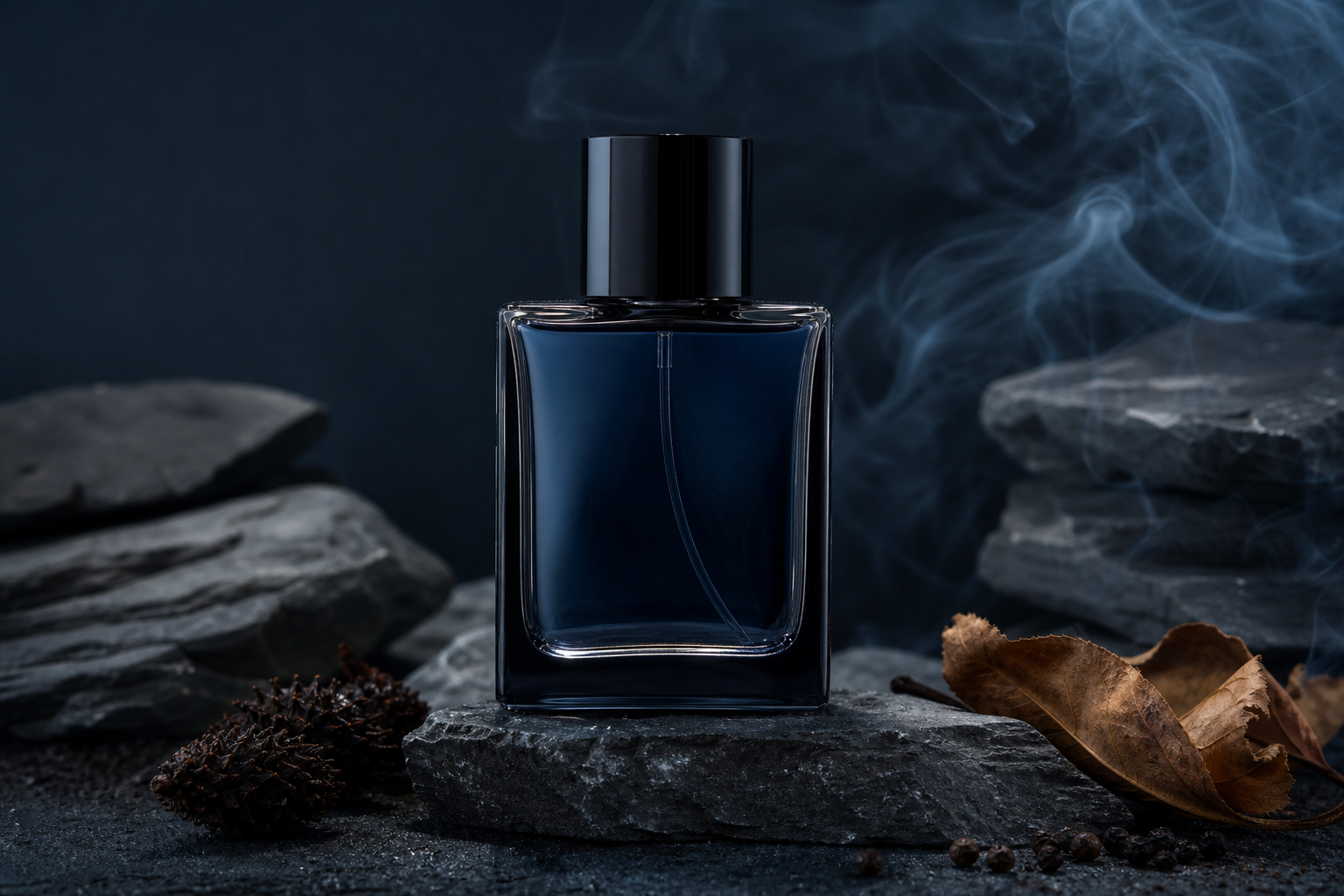
Men's niche fragrances: how to choose, sample, and wear them well
Men's niche fragrances promise originality, character, and a more personal expression than many mass releases. Yet the very qualities that make them special—uncommon notes, bold contrasts, and artistic structures—can make choosing the right one feel daunting. This walkthrough cuts through the confusion with a decision framework you can use to define your scent goals, sample efficiently, evaluate quality, and build a wardrobe that fits your life.
What makes niche different from mainstream
While there’s overlap between categories, “niche” typically signals a creator-driven emphasis on distinctive ideas over broad commercial appeal. That often shows up as:
- Less-familiar note choices or unexpected pairings (think spice with mineral facets, smoky woods with citrus, or resin overtones in daywear).
- Clear point of view—noticeable style that doesn’t try to please everyone.
- Ingredient focus—structures designed to highlight materials and texture across the top, heart, and base.
- Varied concentration and performance profiles tuned to the composition rather than a fixed template.
Crucially, “niche” is not a synonym for louder, stronger, or pricier. A niche scent might be gauzy and intimate on purpose, or it might evolve subtly rather than projecting across a room. The common thread is intent and character.
Start with the end in mind: define your scent goal
Before you sample, anchor your search with a short brief. Answering a few focused questions upfront narrows the field dramatically.
- Occasion: daily office wear, weekend casual, evening events, black-tie, gym bag, travel?
- Season or climate context: do you prefer something airy for warm days or enveloping for cool nights?
- Vibe: understated elegance, modern freshness, rugged outdoorsy, smoky and mysterious, polished and clean, cozy and warm?
- Compliment factor vs. self-enjoyment: do you want universally pleasant or something you love even if it’s polarizing?
- Tolerance for sweetness, smoke, spice, musk, or animalic nuances: where’s your comfort line?
Write your brief in one sentence. Example: “A versatile, office-friendly woody-citrus with subtle spice, minimal sweetness, and clean-musky drydown for year-round wear.” Use that sentence as your filter for shortlisting candidates.
Note families that frequently shine on men
Wear what you enjoy—there are no rules—but certain families often align with common masculine style cues. Use these as starting points, not limits:
- Woods: cedar, sandalwood, guaiac, vetiver—ranging from crisp pencil-shavings cedar to creamy sandalwood or smoky vetiver.
- Aromatics: lavender, rosemary, clary sage, basil—barbershop clean to herbaceous and modern.
- Citrus and zest: bergamot, grapefruit, lemon, yuzu—sparkling openers that feel energetic and refined.
- Spice: cardamom, pepper, nutmeg, saffron—adds lift, warmth, or intrigue without heaviness when dosed well.
- Resins and balsams: frankincense, myrrh, labdanum, benzoin—ambery depth for evenings and cold weather.
- Leather and suede: from polished glove-leather to brushed suede, often paired with woods or iris.
- Musk and ambers: clean or warm skinscents that sit close but feel persistent.
Blends across these families create rich, modern contrasts: bright citrus over smoky woods; airy aromatics against a resin base; or a mineral-ambergris effect that reads sleek and contemporary.
How to evaluate quality, structure, and fit
Sampling is more revealing when you slow down and notice a composition’s architecture. Try this simple quality checklist:
- Opening: Is the first minute smooth or harsh? Do citrus or aromatic notes feel natural rather than sharp or sticky?
- Transition: Over 15–45 minutes, does the scent evolve or collapse? Quality builds reveal a coherent story rather than a flat line.
- Balance: Are sweet, spicy, smoky, and fresh elements proportioned, or does one drown the rest?
- Texture: Creamy woods, airy musks, dry mineral facets—do these feel intentional and pleasant on your skin?
- Drydown: An hour onward, does it settle into something you enjoy? Many niche scents save their best for last.
- Context test: Does it fit your brief—office, date night, weekend? If not, it might still be great for another slot.
Skin chemistry matters. The same fragrance can turn warmer, sweeter, smokier, or soapier depending on you. Always judge on skin, not just on a blotter.
Smart sampling to avoid blind-buy regret
Intelligent sampling saves money and time while exposing you to more ideas. Use this three-step approach:
- Shortlist by reading note pyramids and brand descriptions, then eliminate anything that clashes with your brief (e.g., heavy gourmand if you dislike sweetness).
- Order small samples or discovery vials of 5–10 candidates that look aligned. Keep notes as you test.
- Wear each candidate at least twice—once at home for a few hours, once in your normal routine. Rate the opening, the 1–2 hour heart, and the final drydown separately.
Make a keep/maybe/nope grid. “Keep” means it nails your brief. “Maybe” fragrances are interesting but need more time or a different season. “Nope” can still teach you about what to avoid in future picks.
Application, projection control, and care
You can tune a niche scent’s presence with placement and dosage.
- Placement: For close wear, apply to covered skin (chest, back of neck beneath a collar). For more aura, use pulse points like sides of neck and wrists.
- Dosage: Start with 1–2 sprays for concentrated compositions; add a third if needed after 15 minutes. Some materials bloom more than you expect.
- Fabric vs. skin: A light mist on clothing can extend the effect, but always test for staining and colorfastness first.
- Layering: Keep it simple—pair complementary families (e.g., clean musk base with a woody-citrus top). Avoid competing sweet profiles.
- Storage: Keep bottles away from heat, humidity, and direct light. A cool, dark cabinet helps preserve character over time.
Build a versatile rotation with 5 strategic roles
Instead of chasing an all-in-one unicorn, cover a few usage roles. A compact five-bottle plan handles most scenarios:
- Daily driver fresh-woody: Clean, unobtrusive, and polished for office or study.
- Casual weekend citrus-aromatic: Sparkling, feel-good, and easy to reapply.
- Evening resin-spice or leather-amber: Warmer presence for dinners and events.
- Signature wildcard: A creative niche piece with a twist—mineral, smoky, or herbal—that feels uniquely you.
- Comfort skinscent: Soft musk, gentle woods, or milky sandalwood for quiet days and travel.
Rotate seasonally by shifting emphasis: fresher profiles spring/summer; textured woods, resins, and leathers fall/winter. If you prefer minimalism, combine roles (e.g., one translucent woody-citrus that flexes for both office and weekend).
Common mistakes—and simple fixes
- Buying on the opening: Always wait for the heart and drydown; that’s your long-haul experience.
- Over-spraying complex builds: Rich structures can bloom; add sprays gradually.
- Ignoring context: A smoky-leathery powerhouse may be perfect at night but overwhelming at 9 a.m.
- Chasing hype: What’s viral may not fit your brief. Let your one-sentence goal anchor decisions.
- Testing too many at once: Limit to two on skin per session (one per arm), and use blotters for the rest.
Quick decision checklist you can screenshot
- My brief in one sentence is clear.
- Shortlist aligns with note families I enjoy.
- I sampled on skin at least twice, across different settings.
- I like the drydown as much as (or more than) the opening.
- Projection suits the context I’ll wear it in.
- It fills a real role in my rotation, not a duplicate slot.
FAQs about men's niche fragrances
Are men's niche fragrances always stronger or longer lasting?
No. Niche simply refers to a more creator-led, character-forward approach. Some niche scents are intentionally subtle and intimate; others are radiant. Evaluate each composition on skin and decide based on how it performs for your use case.
How many wear tests do I need before deciding?
Two to three proper wears usually reveal the full story—opening, heart, and drydown—plus how it behaves in your real routine. If you’re still unsure, park it in the "maybe" column for a different season or weather shift and revisit.
What if I’m sensitive to sweetness but want depth?
Look for drier woods (cedar, vetiver), spice that lifts without sugar (pepper, cardamom), and resins balanced with airy musks or mineral facets. You can get warmth and complexity without leaning gourmand.
Can I wear florals and still feel “masculine”?
Absolutely. Florals like iris, rose, or jasmine paired with woods, spice, or leather read sophisticated and modern. It’s about structure and balance more than any single note.
How do I prevent nose fatigue when testing?
Limit to two on skin per day, step outside for fresh air between sniffs, and avoid coffee beans—they can overwhelm. Short breaks and clean air are better resets.