

A luxury perfumes guide is a complete roadmap for understanding fragrance families, concentrations, performance, and selection methods so you can confidently choose, test, and wear high-end scents. It explains how to decode notes, compare eau de parfum vs extrait, evaluate longevity and sillage, and build a versatile fragrance wardrobe that fits your style.
By Auremie Perfumes • Last updated: April 13, 2026
Above the Fold: Hook, Overview, and Table of Contents
Start with a clear plan: learn how luxury perfumes are built, which note families you love, and how to test scents the smart way. Use discovery sets, blotter strips, and wear tests at different times of day. Then curate a small rotation for work, weekends, and special events.
-
What you’ll learn
- How to read fragrance pyramids (top, heart, base)
- When to choose eau de parfum vs parfum
- How to test, layer, and seasonally rotate scents
- How Auremie’s discovery and sample sets reduce blind-buy risk
- Ways to match scent to mood, style, and occasion
-
Why this guide matters
- Luxury fragrances are complex; structure and testing improve choices
- Long-lasting wear depends on concentration, skin chemistry, and climate
- Sampling first builds confidence and avoids clutter you won’t wear
-
Table of contents
- What Is a Luxury Perfumes Guide?
- Why Luxury Perfumes Matter
- How the Luxury Perfume World Works
- Fragrance Types and Approaches
- Best Practices for Choosing and Wearing
- Tools and Resources
- Case Studies and Real Examples
- Frequently Asked Questions
- Conclusion and Next Steps
- Related Articles (From Our Perfume Cluster)
Quick Summary
Identify your preferred note families, test with discovery sets, and log wear tests. Focus on concentration (eau de parfum for balance, parfum/extrait for intensity), placement (pulse points), and context (weather, venue). Curate a 3–5 scent rotation to cover work, leisure, dates, and formal events.
- Core idea: Pair education with sampling to find a signature scent faster.
- Fast path: Use Auremie discovery and sample sets to test across moods.
- Decision rule: Keep what earns compliments and feels like “you.”
- Wardrobe goal: 3–5 bottles that cover 80% of your life.
Quick Answer
A complete luxury perfumes guide shows you how to decode notes, test with discovery sets, and build a versatile wardrobe. With Auremie Perfumes’ Canadian fulfillment and Find Your Scent experience, you can sample quickly, learn what works, and land on a signature scent with confidence.
Local Tips
- Tip 1: If you’re in Ontario’s Greater Toronto Area along Highway 401 corridors, plan wear tests during your regular commute to judge performance in air-conditioned cars and offices.
- Tip 2: For Canadian winters, test denser ambers, woods, and gourmands; in humid summers, try citrus, aquatics, and airy musks. Seasonal shifts change how notes project and last.
- Tip 3: Weekend events and festivals call for portable discovery vials in a small pouch—handy for reapplication after outdoor activities and venue transitions.
IMPORTANT: These tips align with Auremie’s discovery and sample sets, making on-the-go testing easy across Canadian climates.
What Is a Luxury Perfumes Guide?
A luxury perfumes guide explains how premium scents are composed, how concentrations affect longevity, and how to test and select fragrances for your lifestyle. It translates perfumery terms into practical steps so you can choose confidently and wear fragrances that feel authentically you.
-
Definition
- A structured, educational resource that demystifies notes, accords, concentration levels, sillage, and dry-down.
- Combines theory (how perfumes are built) with practice (how you test and decide).
-
Key building blocks
- Fragrance pyramid: top (first impression), heart (character), base (lasting trail).
- Concentration: eau de parfum vs parfum/extrait influences intensity and wear time.
- Performance: longevity (hours), projection (distance), sillage (trail), and diffusion.
-
Why it matters
- Premium ingredients and skilled perfumery deserve informed testing so your choices match personal style and context.
- Sampling prevents clutter and focuses your budget on high-use winners.
In our experience, readers who pair note education with targeted sampling settle on a signature scent in weeks—not months—because they know what to test and how to evaluate it.
Why Luxury Perfumes Matter
Luxury perfumes matter because they use refined materials, balanced compositions, and meticulous craftsmanship to create memorable, long-lasting impressions. They communicate mood and identity in professional and social settings while offering a more nuanced, evolving scent experience over hours—sometimes all day.
-
Signals and presence
- Fragrance is a quiet signal of taste and care—noticed without shouting.
- Work-appropriate choices lean clean and refined; evening scents can be bolder and warmer.
-
Craft and composition
- Skilled perfumers balance naturals and aroma molecules to create distinct characters.
- Blended bases (musk, woods, ambers) anchor top and heart for a smooth evolution.
-
Performance expectations
- Eau de parfum often offers a strong balance of projection and longevity for daily use.
- Parfum or extrait emphasizes depth, warmth, and a closer, richer presence.
According to the Fragrance Foundation’s education materials, concentration and raw material quality directly affect performance characteristics like longevity and sillage. That’s why sampling different strengths is essential before deciding what fits your routine best.
How Luxury Perfumery Works (From Notes to Wear Tests)
Luxury perfumery layers top, heart, and base notes into an accord that evolves over time. Test on paper first, then skin across several hours. Track how the scent shifts from opening sparkle to heart character and base warmth to judge personal fit and lasting appeal.
-
1) Composition basics
- Top: citrus, aldehydes, aromatics—bright but fleeting.
- Heart: florals, spices, fruits—defines personality.
- Base: woods, musks, ambers—anchors and extends wear.
-
2) Concentration and strength
- Eau de parfum: often 15–20% aromatic compounds; versatile for daily wear.
- Parfum/Extrait: higher concentration; softer projection, more intimacy.
- Eau de toilette: lighter concentration; sparkling openings, shorter wear.
-
3) Testing workflow
- Paper blotter first (opening and heart), then skin (dry-down and true performance).
- Test 2–3 scents per session per arm to avoid nose fatigue.
- Record compliments, longevity, and context (indoor office vs outdoors).
-
4) Climate realities
- Cold air compresses projection—denser bases help.
- Heat amplifies diffusion—lighter, fresher profiles wear cleaner.
We’ve found that a structured test plan (two discovery vials per day, morning and evening) accelerates learning while preventing fatigue. After a week, patterns emerge: which notes you crave, and which fade too soon on your skin.
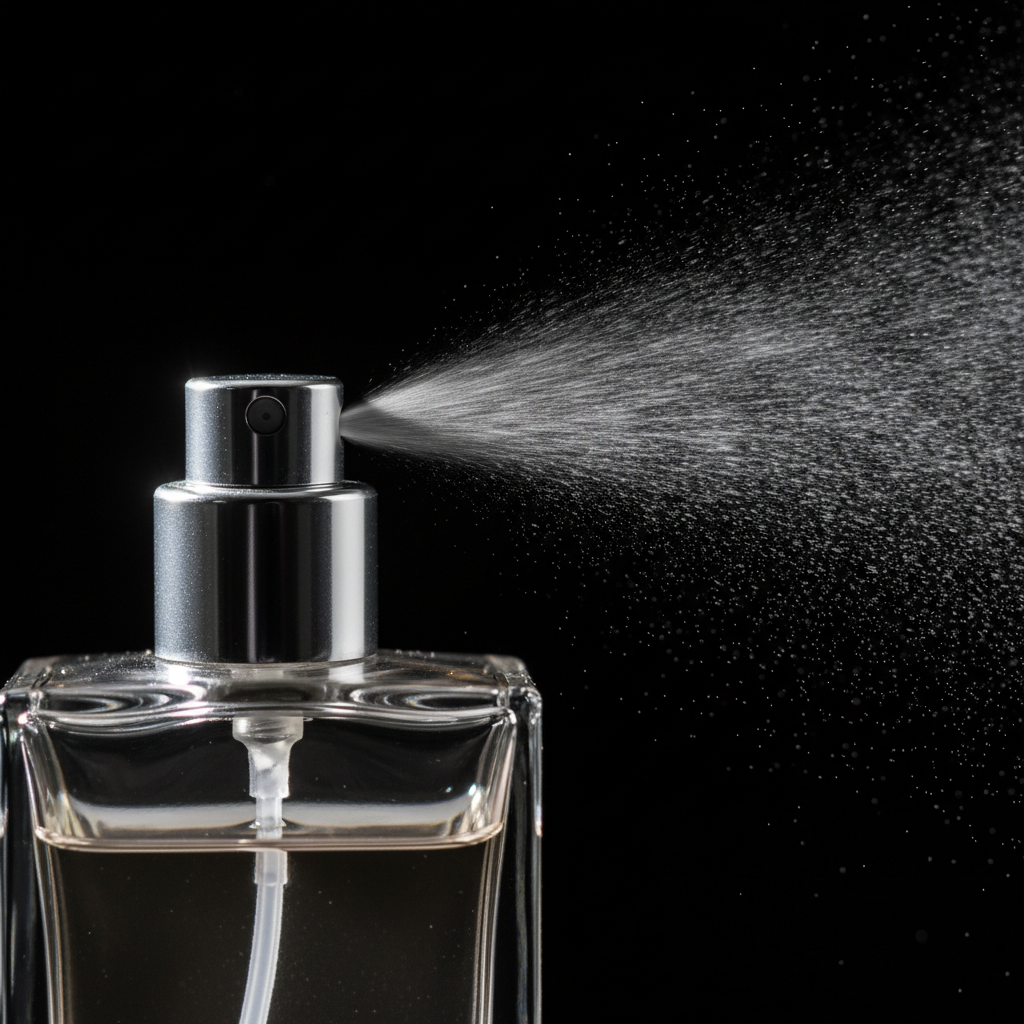
Types, Families, and Approaches to Luxury Perfume
Organize choices by note family (citrus, floral, woods, amber, musk), by occasion (work, casual, evening), or by mood (fresh, cozy, sensual). This structure turns a crowded market into a short list that fits your lifestyle and helps you prioritize sampling.
Core fragrance families
- Citrus/Aromatic: bergamot, lemon, herbs; daytime freshness, clean office presence.
- Floral: rose, jasmine, tuberose; classic elegance, romantic and versatile.
- Woods: cedar, sandalwood; grounded, refined, often signature-worthy.
- Amber/Oriental: vanilla, resin, spices; plush, evening-friendly warmth.
- Musk: soft, skin-like comfort; excellent for year-round layering.
- Aquatic/Green: sea breeze, leaves, stems; sporty, outdoorsy clarity.
Approaches to curation
- Occasion-first: pick work, weekend, date, and formal anchors.
- Note-first: explore two families deeply before expanding.
- Season-first: build a cool-weather and warm-weather duo, then fill gaps.
- Compliment-first: keep what earns positive feedback quickly.
Where Auremie Perfumes fits
- Discovery sets let you test across families without full-bottle risk.
- Sample sets support on-the-go trials and repeat wears.
- Find Your Scent guidance helps match mood, style, and occasions.
According to IFRA-aligned education, families help predict performance: woods and ambers tend to anchor longer; citrus often shines early, then yields to heart and base nuances.
Best Practices: Choosing, Wearing, and Layering
Choose by context, test methodically, and apply lightly to pulse points. For layering, pair a clean musk with citrus for daytime lift, or add a vanilla-amber to warm a wood fragrance at night. Keep a short list of proven combinations in your notes app.
Testing and selection
- Set limits: 3 scents per session prevents olfactory fatigue.
- Wear twice: Morning and evening to see temperature and activity impacts.
- Journal results: Opening vs dry-down, hours until fade, reactions.
- Wait a day: Finalize after the scent’s full arc and next-morning trace.
Application and longevity
- Pulse points: wrists, neck sides, back of knees (for dresses/skirts).
- Hydrate first: moisturized skin holds aroma compounds longer.
- Don’t rub: allow alcohol to evaporate and accords to settle.
- Clothing mist: from distance; test fabric fastness first.
Layering ideas
- Fresh lift: clean musk + citrus aromatic for office-ready clarity.
- Cozy evening: wood base + vanilla/amber for cushion and warmth.
- Green sparkle: light floral + crisp green for brunch and daytime.
We’ve seen consistent results: hydrating skin and misting lightly on clothes increases perceived longevity, while controlled layering prevents “muddy” blends. Keep it simple—two layers are often enough.
| Concentration | Typical Strength | Projection | Wear Time | Best Use |
|---|---|---|---|---|
| Eau de Toilette | Light–moderate | Lively, shorter | Short–medium | Casual, warm weather |
| Eau de Parfum | Moderate–rich | Balanced | Medium–long | Daily wear, office |
| Parfum / Extrait | Rich–intense | Close, enveloping | Long–very long | Evening, cold weather |
Tools and Resources for Faster, Smarter Selection
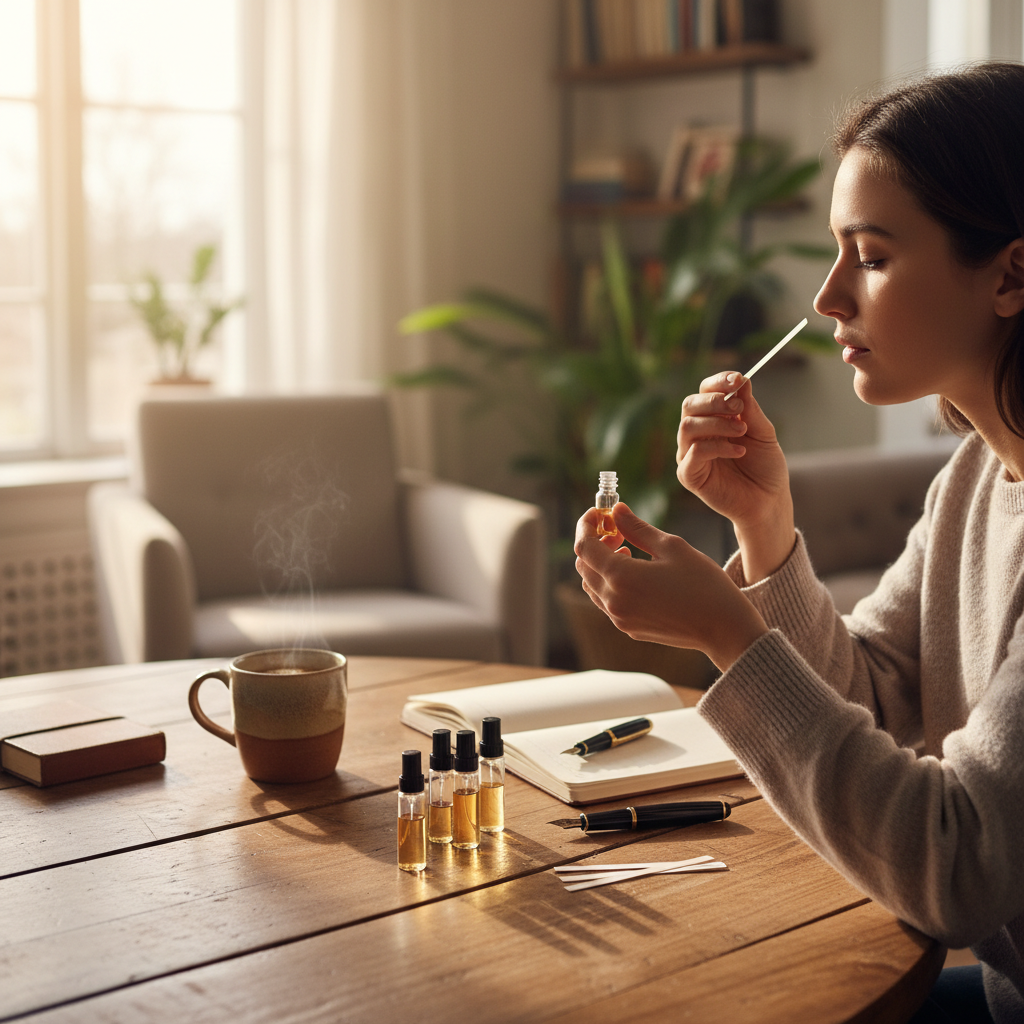
Use discovery sets, sample vials, blotter strips, and a notes app to track testing. A guided quiz accelerates learning by narrowing choices to families you actually enjoy. Combine tools so every test teaches you something actionable.
- Discovery sets: Curated selections spanning fresh to warm—ideal for side-by-side tests.
- Sample sets: Portable vials for repeat wears at work, gym, or weekend plans.
-
Find Your Scent guidance: A helpful way to match moods and occasions to note families.
- Try a guided flow like the Auremie Find Your Scent experience to translate preference into picks.
-
Testing toolkit:
- Paper blotters, cotton pads, and unscented lotion.
- Notes app template: opening, heart, base, hours, setting, reactions.
- Small pouch for vials and a pen for on-the-go events.
Explore guided matching at the official resource: see Auremie’s Find Your Scent for a practical, step-by-step way to shortlist candidates.
Case Studies and Real-World Examples
Sampling plus structure works. These mini case studies show how shoppers used discovery sets, notes, and simple rules to land on signature-worthy scents for work, weekends, and special events—without guesswork or clutter.
- 1) The hybrid professional: Needed a work-to-dinner transition. Chose a citrus-woody eau de parfum after a week of morning office tests and one evening out—earned multiple compliments.
- 2) The fitness enthusiast: Wanted fresh, clean persistence post-workout. Sampled aquatics and airy musks; kept the musk for skin-like comfort and a discreet “you but cleaner” aura.
- 3) The date-night curator: Compared three amber-vanillas across two weekends; the warmest with a sandalwood base won for cozy winter dinners.
- 4) The traveler: Built a two-bottle kit (one citrus-aromatic, one soft amber). Carried discovery vials for hotel evenings; minimized luggage, maximized range.
- 5) The festival-goer: Needed portable variety. Used sample sets to reapply between outdoor sets; stuck with a sparkling citrus by day and a musk-wood blend by night.
- 6) The boardroom lead: Tested discreet eau de parfum options. Settled on a subtle wood-musk that projected within arm’s length—professional yet personal.
- 7) The gift buyer: Unsure of the recipient’s taste. Chose a discovery set with a handwritten card; recipient later selected a unisex floral-woody for daily wear.
- 8) The signature scent seeker: Journaled a 10-day test run (AM/PM). Patterns favored green florals in spring and woods in fall—built a seasonal duo instead of one bottle.
- 9) The minimalist: Limited to two bottles total. Picked an all-year musk and a winter amber after documenting which earned the most unsolicited “you smell great” comments.
- 10) The adventurer: Tried unfamiliar notes weekly (incense, leather, spice). Kept one leather-amber that surprised them with comfort and compliments.
- 11) The wedding guest: Needed elegance without overpowering. A rose-woods mix worn on fabric and wrists lasted through ceremony and reception photos.
Across these scenarios, the common thread was method: cap trials at three scents per session, log results, and keep what consistently performs in your real life.
Frequently Asked Questions
Test on skin, not just paper. Limit sessions to three scents. Track hours of wear and reactions. Choose concentration by context: eau de parfum for balance; parfum/extrait for intimacy; lighter strengths for warm weather or casual settings.
- How do I quickly find my signature scent without overbuying?
- Start with a curated discovery or sample set. Test two scents per day—one in the morning, one at night. Log opening, heart, base, hours, and feedback. In our experience, a 10-day plan surfaces two or three reliable favorites you’ll actually wear.
- What’s the best way to test longevity and projection?
- Apply to moisturized skin at two pulse points and one clothing mist (test fabric first). Note scent strength each hour for four to six hours. Revisit a small patch the next morning for any lingering base trace—this predicts staying power.
- Should I wear different scents for work and evenings?
- Yes. Office-ready picks stay clean and balanced (citrus, woods, soft florals, or musks). Evenings can lean warmer (vanilla, amber, spices) or more sensual woods. A simple two-scent plan—one day, one night—covers most routines with finesse.
- How many sprays are ideal?
- Most people do well with 2–4 light sprays: one per wrist and one or two near the neck or chest. Adjust by concentration and environment. If you’ll be in close quarters, keep it subtle; for outdoor events, a touch more is reasonable.
- Can I layer fragrances, and what pairs well?
- Layering works when you keep it simple. Pair a clean musk with citrus for daytime lift, or warm a wood base with a light vanilla-amber for evening. Apply the base-forward scent first, then add the accent lightly to avoid muddiness.
Conclusion: Your Next Three Steps
Define two note families to explore, get a discovery set that spans them, and run a 10-day test plan. Journal results and keep what earns compliments and feels “effortless.” You’ll build a compact, high-performing fragrance wardrobe without guesswork.
-
Key Takeaways
- Education + sampling = faster, better choices.
- Eau de parfum balances daily projection and longevity.
- Season and setting change how a perfume behaves.
- Two to three proven favorites beat a crowded shelf.
-
Action Steps
- Pick two families to explore (e.g., citrus and woods).
- Order a discovery set and schedule 10 test days.
- Log results; keep the one you can’t stop thinking about.
Soft CTA: Ready to explore? Use discovery and sample sets to test widely, then use the Find Your Scent guidance to narrow in on your perfect match—confidently and quickly.
Related Articles (From Our Perfume Cluster)
Deepen your knowledge with focused guides on sampling, ingredients, and gift planning. Each topic builds on the core skills you learned here to make smarter, faster fragrance decisions.
- Signature scent guide: create your 3–5 bottle rotation
- Discovery sets explained: how to test without fatigue
- Premium perfume ingredients: naturals vs aroma molecules
- Travel-size sample sets: test-on-the-go strategies
- Gift-ready packaging: making your fragrance gifts memorable
- Unisex fragrances guide: styles that transcend labels