

Luxury fragrance discovery sets are curated kits of sample-size perfumes that let you test multiple scents at home before buying a full bottle. They reduce blind buys, reveal how notes evolve on your skin over hours, and help you find a true signature scent with far less risk and waste.
By Auremie Perfumes • Last updated: 2026-06-28
At a Glance
Discovery sets bundle several sample-size perfumes so you can compare them side by side, observe top-to-base note transitions, and confirm longevity and projection on your skin. Use them to test 3–5 scents per session, wait 30–60 minutes for dry-down, and track impressions to avoid blind buys.
- What you’ll learn: definitions, benefits, testing steps, and how to choose the right kit.
- Why it matters: skin chemistry changes how a scent wears; trials reveal the real experience.
- What you’ll use: blotters, a wrist testing plan, and Auremie’s Find Your Scent guidance.
- Outcomes: fewer returns, smarter selections, and a signature scent you’ll actually wear.
What Are Luxury Fragrance Discovery Sets?
A luxury fragrance discovery set is a curated collection of sample-size perfumes designed for structured testing at home. You try multiple compositions across families (citrus, woods, amber, floral), track dry-down over 6–10 hours, and identify keepers before committing to a full bottle.
Discovery sets make exploration practical. Instead of guessing from note pyramids, you wear each scent in your daily routine and see real performance. Many sets include 5–10 vials (1–3 ml each), letting you compare families across a brand’s collection.
- Core idea: test before you invest; assess development from sparkling top notes to base.
- Why it works: skin chemistry, climate, and pace of your day can shift how notes present.
- Expected arc: top notes bloom in 5–15 minutes; heart opens by 30–45; base anchors for hours.
- Right fit: choose kits aligned to your goals—daywear, evening depth, unisex minimalism, or gifting.
At Auremie Perfumes, our discovery and sample sets span men’s, women’s, and unisex compositions and pair naturally with our Find Your Scent guidance so you can match mood, occasion, and style without guesswork.
Why Discovery Sets Matter (And Save You From Blind Buys)
Discovery sets prevent blind buys by revealing how a perfume behaves on your skin, in your schedule, and in real spaces. Testing 3–4 scents per session, with 24 hours between wearings, exposes longevity, projection, and reactions—insight you’ll never get from a quick paper strip sniff.
Here’s the thing: reading a note list isn’t the same as living with the scent. A bright citrus top can fade in 20–40 minutes; a creamy base may linger 6–10 hours on textiles. You need time-in-wear data to decide.
- Reduce waste: focused testing means fewer bottles you rarely reach for.
- Build taste: comparisons sharpen your preferences across woods, florals, gourmands, and musks.
- Boost confidence: a week of testing (7–10 wearings) is often enough to pick 1–2 winners.
- Great for gifts: sets let recipients explore and pick favorites they’ll actually finish.
To dive deeper into structured sampling and mindset, see our discovery sets explainer, which expands on avoiding returns and minimizing indecision.
How Discovery Sets Work (Process, Wear Tests, and Notes)
Use a simple loop: shortlist, spray, wait, log, repeat. Wear 1–2 sprays on clean skin, wait 30–60 minutes for the heart, and reassess at 2, 4, and 8 hours. Track projection within 3 feet, note compliments, and compare results over 3–5 days.
We suggest a structured, low-bias method. It blends lab-style checkpoints with real-life wear so you get reliable reads without over-testing your nose.
- Shortlist (10 minutes): pick 3–4 vials that fit your goal—office-friendly, date-night depth, or weekend ease.
- Prep skin (5 minutes): shower, moisturize unscented, and skip other fragranced products.
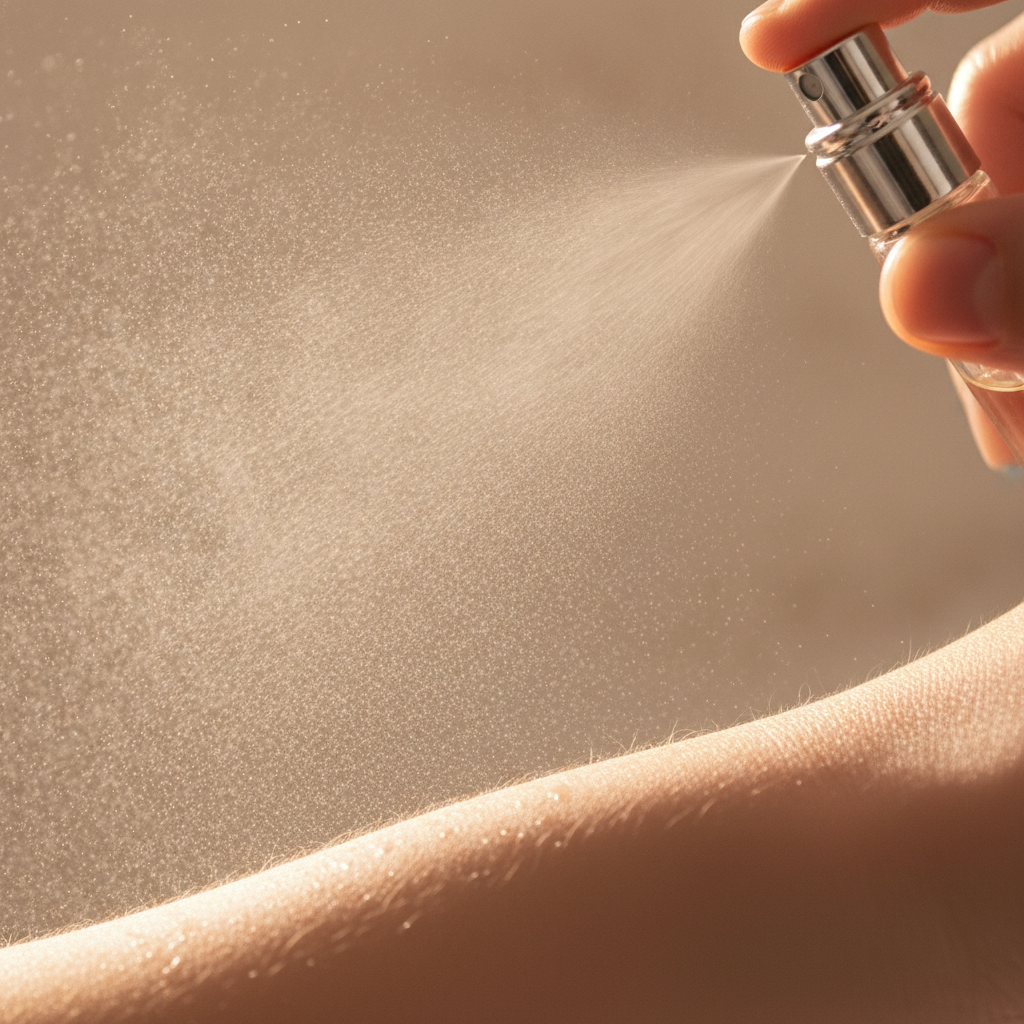
- Apply (1–2 sprays): inner wrist or forearm for easy checks; avoid rubbing to preserve top notes.
- Timepoints: assess at 15, 45, 120, 240, and 480 minutes to map evolution and staying power.
- Projection check: step back 2–3 feet or ask a friend; note if sillage fades by hour 2 or persists.
- Daily context: test during typical activities—commute, desk time, gym—to see how heat affects diffusion.
- Reset: take a 24-hour break or sniff coffee beans briefly to counter olfactory fatigue.
Want a printable version? Our perfume sample gift set tips include a checklist you can adapt for any kit.
Types of Discovery and Sample Sets
Discovery formats vary by goal. Brand samplers showcase a house’s style; family-focused kits group by citrus, woods, florals, or ambers; occasion boxes target office, evening, or travel. Choose 5–10 vials for breadth, or 3–5 for a focused, fast decision.
Brand-Curated Discovery Sets
- What they offer: a cross-section of a brand’s DNA—top sellers, new launches, and cult picks.
- Best when: you’re new to a house and want to compare signatures side by side in one week.
- Example: A mixed Auremie set spanning airy daytime musks to deeper woods and amber.
Fragrance-Family Kits
- What they offer: tight curation by style—citrus bursts, gourmand warmth, floral elegance, or woody depth.
- Best when: you know you love a style and want the best variant for season and setting.
- Tip: seasonal rotation works; many people prefer brighter blends in spring/summer and woods in fall/winter.
Occasion or Mood Boxes
- What they offer: day-to-evening pathways: clean office comfort, romantic depth, and carefree weekend options.
- Best when: you’re building a small wardrobe of 2–4 scents that cover 90% of your week.
- Try this: one office-friendly musk, one evening amber, one casual citrus; test across a 7-day schedule.
For inspiration, browse our luxury fragrance collection overview, which maps styles to moments and outfits.
Best Practices: How to Test Like a Pro
Keep sessions short, track timepoints, and compare apples to apples. Test no more than 3–4 scents per day, wait 30–60 minutes for the heart, and log projection, compliments, and longevity. Rotate wrists and forearms to avoid overlap and give your nose 24 hours to reset.
Session Design
- Limit load: 3–4 scents per session preserves clarity; more increases olfactory fatigue.
- Consistent sprays: use the same number and distance each time (e.g., 1 spray at 6 inches).
- Surface rotation: alternate left/right wrists and forearms for clean A/B comparisons.
Timing and Notes
- Short checks: top notes at 5–15 minutes; first heart read at 30–45 minutes.
- Staying power: log at 2, 4, and 8 hours; fabric may extend impressions past 12 hours.
- Real-world cues: note compliments and personal comfort in meetings, commutes, or workouts.
Decision Framework
- Green-light test: if a scent feels right at hour 4, it usually joins regular rotation.
- Context match: align notes to use cases—citrus for daytime clarity; woods/amber for evening depth.
- Wardrobe size: most people land on 2–5 keepers that cover work, casual, and special events.
For more sampling tips tailored to women’s wardrobes, our samples for her guide offers season and outfit pairings you can adapt to any style.
Tools and Resources (Maximize Your Results)
Pair discovery sets with a testing log, neutral moisturizer, and scent-finding guidance. Use Auremie’s Find Your Scent prompts, compare families in a 7-day plan, and consult brand style overviews to select the right vials before you start.
- Testing log: jot timepoints, projection within 3 feet, and where you wore it (office, gym, dinner).
- Neutral base: unscented lotion improves top-note lift and extends 1–2 hours of wear.
- Planning aid: our Luxury Perfume Guide helps you align scents to lifestyle and dress codes.
- Scent education: see this overview of luxury fragrances for note families and concentration basics.
- Wardrobe mapping: explore a curated collections guide to build day-to-night coverage with 2–4 staples.
Comparison Table: Discovery Set Options
Choose a set by scope, not hype. Broad samplers (7–10 vials) reveal house style; focused trios speed a decision. Match vial count, concentration, and theme to your goal, then schedule a 3–7 day plan to compare wear, projection, and compliments.
| Set Type | What’s Inside | Best For | Pros | Watch-outs |
|---|---|---|---|---|
| Brand Sampler (7–10) | House signatures across families | New to the brand | Great breadth; fast taste-building | More days to test; decision fatigue |
| Focused Trio (3–5) | One family or mood | Quick decision | Efficient A/B/C comparisons | Less breadth; risk of missing an outlier |
| Occasion Box | Day, evening, weekend picks | Building a small wardrobe | Clear use-cases; easy rotation | May skip niche styles you’d love |
| Seasonal Edit | Spring/summer brights or fall/winter woods | Weather match | High wear-rate right now | Might feel off-season later |
Need help narrowing? Our perfume gift sets guide breaks down taste discovery for givers and receivers.
Case Studies and Real-World Examples
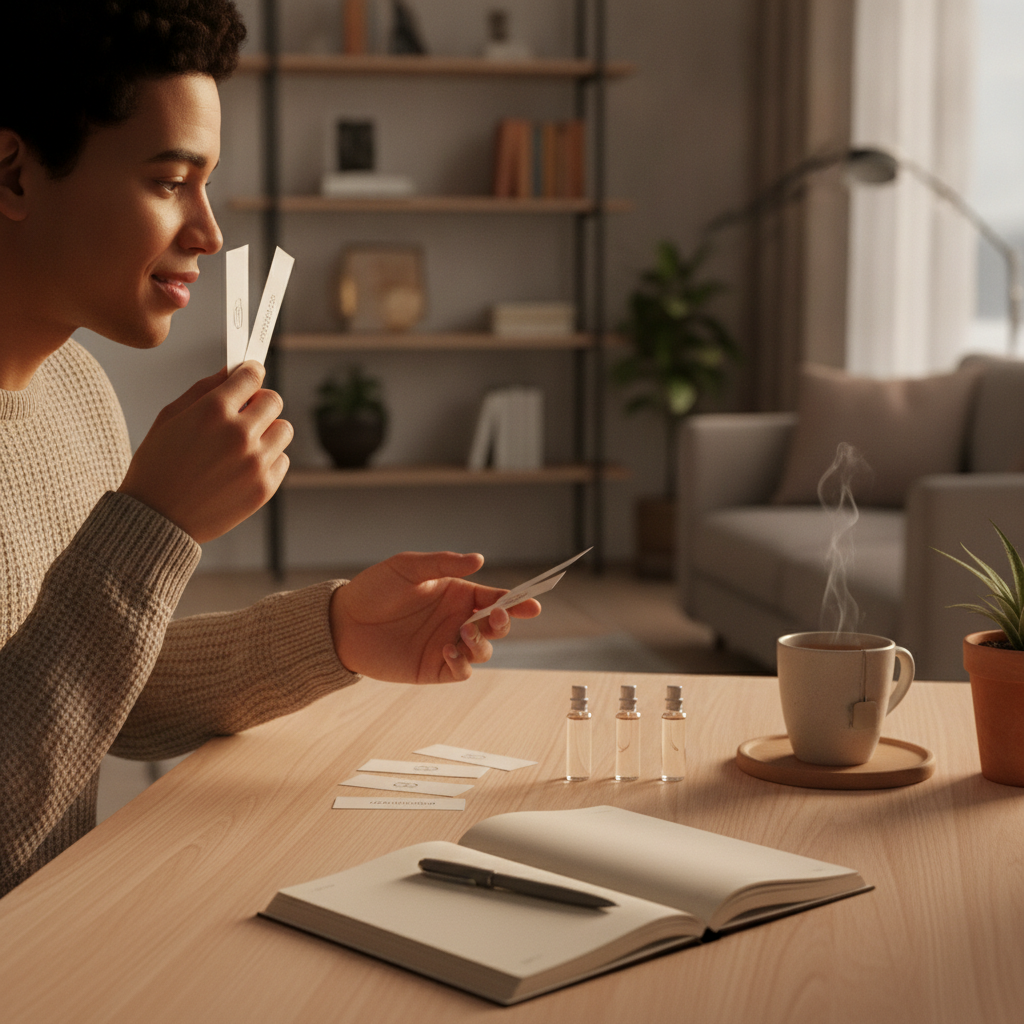
Real shoppers succeed with a simple plan: limit sessions, log key timepoints, and follow use-cases. In 7–10 wearings, most people isolate 1–2 clear winners, often discovering a surprising second-place scent that becomes a daily work staple.
The Minimalist Professional
- Goal: a clean, office-friendly signature with subtle projection within 2–3 feet.
- Approach: a focused trio leaning citrus-musks; tested across five workdays.
- Outcome: chose the option that felt crisp at 9 a.m. and soft by hour 6 without overwhelming meetings.
The Weekend Explorer
- Goal: casual brightness for brunch and errands, with a cheerful top that lasts through midday.
- Approach: family kit with sparkling citrus and airy florals; 1–2 sprays on forearms.
- Outcome: picked the blend that stayed lively past hour 4 and drew two compliments in one afternoon.
The Date-Night Traditionalist
- Goal: an evening scent with warm woods and amber that projects during the first 2 hours.
- Approach: occasion box with deeper options; tested during dinner and a late walk.
- Outcome: landed on a balanced amber-wood that felt plush at hour 2 and lingering on a scarf next day.
If you’re designing a small wardrobe, our signature scent guide shows how to anchor with one daily driver plus one special-occasion standout.
How to Choose the Right Set for You
Start with outcome, not notes. Decide when you’ll wear the scent (work, evenings, weekends), pick a set type that fits that use-case, and ensure 3–7 vials. Plan a 3–7 day test schedule before unboxing and you’ll reach a confident decision faster.
- Define use-cases: daily office, after-hours, or anytime casual.
- Pick scope: 3–5 for quick decisions; 7–10 for breadth and brand discovery.
- Match concentration: eau de parfum often yields 6–10 hours; lighter styles sit closer to skin.
- Check guidance: look for scent-finder prompts and family overviews to pre-filter choices.
For a house-level overview and style cues before you order, skim this guide to luxury perfumes and then shortlist the kit that aligns with your lifestyle.
Common Mistakes to Avoid
Don’t test too many at once, don’t rub after spraying, and don’t skip the 2–8 hour checks. Overloading your senses or judging only the first 15 minutes leads to picks that disappoint later. Keep sessions small and logs consistent.
- Over-spraying: more than 2 sprays per test muddies comparisons and triggers nose fatigue.
- Rushing decisions: judging at minute 10 can miss a gorgeous heart at minute 45.
- Ignoring context: choose for real life; a bold club scent may feel loud at 9 a.m.
- Skipping notes: memory drifts; quick logs at each timepoint preserve clarity.
How Auremie Perfumes Helps You Succeed
Auremie pairs discovery and sample sets with clear education and scent-finding support. You’ll explore men’s, women’s, and unisex compositions, follow a step-by-step testing plan, and use Find Your Scent prompts to lock in keepers without second-guessing.
- Discovery program: kits across styles so you can sample broadly or focus tightly.
- Guidance-first: note-family explainers and testing checklists reduce decision friction.
- Gifting ease: elegant, ready-to-explore options that turn curiosity into confident choices.
When you’re ready to explore beyond a single kit, our luxury fragrance collection article outlines how to build a two-to-four scent wardrobe that fits most weeks.
Frequently Asked Questions
Smart testing means small sessions, consistent sprays, and patient check-ins. Most people find 1–2 favorites within 7–10 wearings. The answers below resolve the most common questions so you can test methodically and decide with confidence.
How many perfumes should I test at once?
Limit each session to 3–4 scents. This reduces nose fatigue and keeps your notes clear. Rotate wrists and forearms, use the same spray count, and wait at least 24 hours before your next round.
How long should I wait before judging a scent?
Give it 30–60 minutes for the heart to open, then check again at the 2, 4, and 8-hour marks. Top notes can be misleading; the dry-down often determines whether a scent truly fits your day.
What’s the best way to compare two similar fragrances?
Apply one to each wrist with the same spray count and distance. Log top-note impressions at 10–15 minutes, then reassess at 45 minutes and 4 hours. Choose the one that feels right at hour 4 and fits your use-case.
Do paper blotters replace skin tests?
Blotters are useful to pre-screen, but skin tests are essential. Heat, moisture, and skin chemistry change diffusion and longevity. Use blotters to shortlist, then confirm on skin before deciding.
Key Takeaways
Discovery sets work when you keep sessions small, timepoints consistent, and goals clear. Decide your use-case first, choose the right kit scope, and follow a 3–7 day plan. You’ll avoid blind buys and land on a signature scent faster.
- Define outcomes first: work, evening, or weekend wear.
- Pick the right scope: 3–5 vials for speed; 7–10 for breadth.
- Test methodically: 15, 45, 120, 240, and 480-minute checks.
- Track projection within 3 feet and log compliments.
- Use Find Your Scent prompts to break ties confidently.
Conclusion
Luxury fragrance discovery sets eliminate guesswork by turning curiosity into a plan. With a clear testing schedule, focused sessions, and guidance-driven shortlists, you can identify 1–2 true keepers in a week—and enjoy them for months without second-guessing.
Ready to explore? Start with a discovery or sample set, follow the timepoints in this guide, and use Find Your Scent to confirm your winners. If you want more context on styles and families before unboxing, skim our curated overview and map two to four scents to your week.