

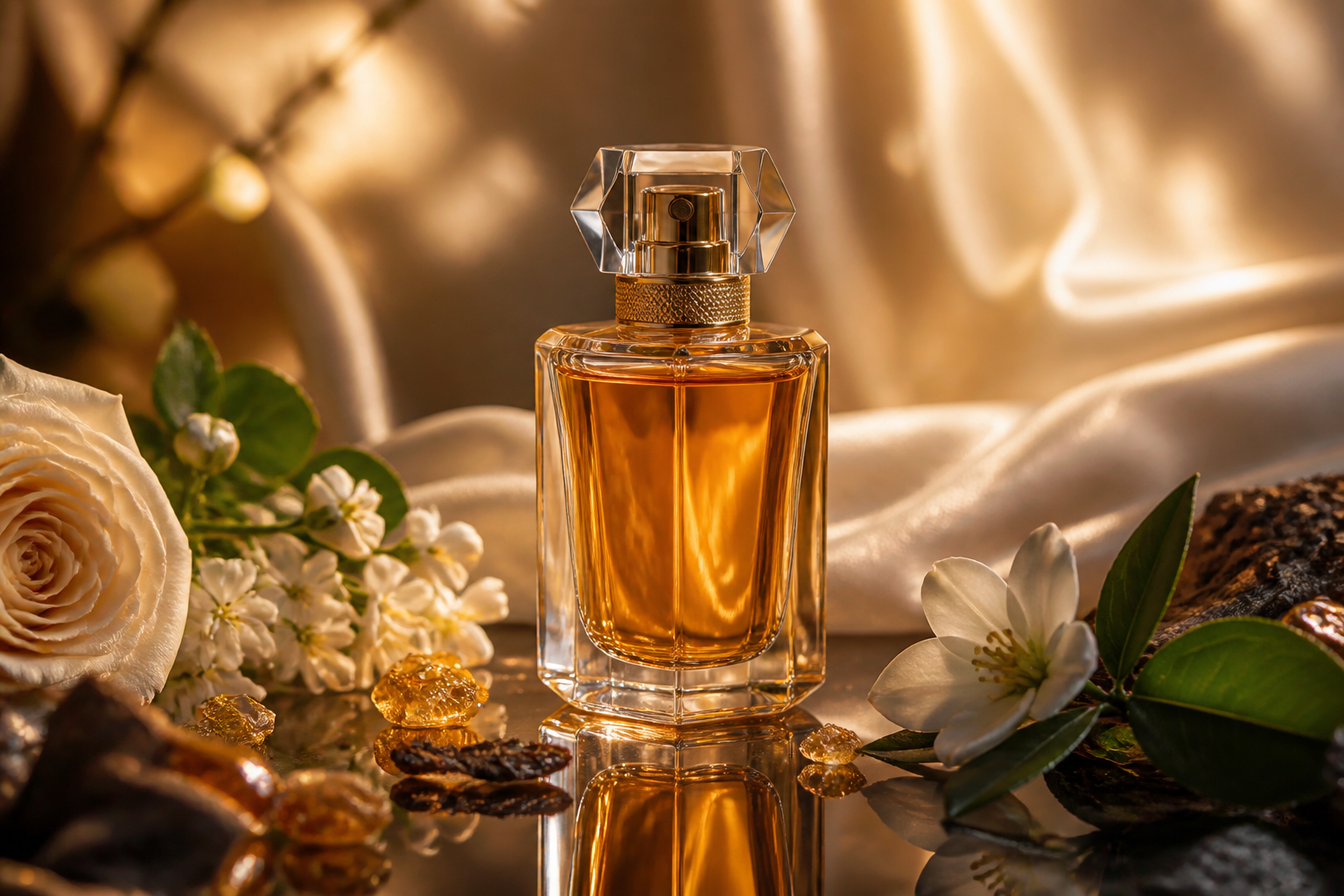
A Practical Guide to Long-lasting Perfumes
Some fragrances bloom beautifully at first spritz only to disappear by midday, while others leave a refined trail that lingers for hours. If you want performance without overpowering, understanding what makes long-lasting perfumes work—and how to wear them—can transform your daily routine. This guide explains the building blocks of longevity, practical selection criteria, application techniques, and care habits so you can get more staying power from every spray.
What makes a perfume long-lasting?
Longevity is a blend of composition, concentration, and environment. A well-constructed formula balances bright top notes with a strong heart and a supportive base that anchors the scent to skin or fabric.
- Concentration: In general, higher perfume oil concentrations (e.g., eau de parfum or parfum/extrait) tend to last longer than lighter concentrations (e.g., eau de toilette, body mists) because there is more aromatic material on skin. That said, composition matters just as much as strength.
- Volatility of notes: Citrus and some herbal facets evaporate quickly (great for a sparkling opening), whereas woods, resins, musks, ambers, and certain florals persist for hours. Long-lasting perfumes typically emphasize sturdier heart and base notes.
- Fixatives and structure: Ingredients that slow evaporation—often found in the base—can extend wear by reducing how fast lighter notes disperse.
- Skin chemistry and environment: Skin type, weather, and activity level influence projection and wear. For instance, dry skin can cause aroma molecules to evaporate faster.
When you evaluate a scent, think in layers: the immediate sparkle (top), the character that unfolds over 30–90 minutes (heart), and the late dry-down cushion (base). The more compelling and persistent the heart and base, the more wear time you typically perceive.
How to choose a long-lasting scent
Choosing well starts with reading the note pyramid and then testing across time. Use this checklist to narrow your options:
- Scan for durable notes: Look for woods (cedar, sandalwood), resins (labdanum, benzoin), ambers, patchouli, vetiver, leather, tobacco, tonka, vanilla, musk, and certain florals (jasmine, tuberose, ylang-ylang) that can anchor a scent.
- Consider concentration: If two similar compositions exist, the higher concentration may wear longer. Still, let your skin be the judge.
- Assess balance: Long-lasting doesn’t mean heavy. A fragrance can be airy yet persistent if the base is thoughtfully built. Look for structure that evolves rather than a loud top that fades abruptly.
- Sample first when possible: Wear it through a normal day, not just on a blotter. Skin reveals the true heart and base.
- Time your test: Note your impressions at 0 minutes (opening), 30–60 minutes (heart), 3–4 hours (early dry-down), and 6–8+ hours (late dry-down). Track both presence (can you smell it?) and character (do you still enjoy it?).
- Test on both skin and fabric: Many fragrances cling to fabric longer than to skin. Apply a small spritz on an inner hem or scarf as a comparison—but avoid delicate fabrics that may stain.
Pro tip: Keep a simple rating log on your phone. Score each test on opening appeal, development, longevity, and versatility. After a few wearings, patterns emerge, making it easier to choose a bottle you’ll reach for often.
Application techniques that extend wear
Even great compositions benefit from thoughtful application. These small habits can noticeably extend performance while maintaining elegance.
- Hydrate skin first: Fragrance bonds to moisture and lipids. Apply an unscented moisturizer or a matching fragrance lotion before spraying. On very dry skin, a neutral body oil beneath perfume can reduce rapid evaporation.
- Target warm pulse points—strategically: Classic areas include the neck, chest, inner elbows, and wrists. If you want longer wear with softer projection, aim for torso and the back of the neck under hair; these areas are less exposed to air and sun.
- Don’t rub wrists together: Friction can heat the skin and accelerate top-note evaporation, flattening the opening and potentially shortening perceived longevity.
- Use clothing as a longevity aid: A light mist on clothing or a scarf can trail for hours. Spray from a distance and avoid delicate or easily stained fabrics. Skip leather and silk.
- Spray amount with intention: More is not always better. Two to four sprays are often sufficient for an eau de parfum during the day; add one or two at night if you want presence. Adjust to the fragrance’s strength and your setting.
- Try strategic layering: Combine a lighter, fresh scent with a subtle base-forward fragrance (woods, musks, amber) to add staying power and complexity. Keep layers complementary to avoid muddling.
- Midday refresh—smartly: Reapply to a different area than the morning application to avoid nose fatigue and maintain dimension.
Storage and care for longevity
How you store a bottle can influence how it smells and wears over time. Heat, light, and oxygen are the main foes of fragrance stability.
- Shield from light: Keep bottles in their boxes or in a cabinet away from windows. UV light can degrade aroma molecules and shift color.
- Keep it cool and consistent: A steady, moderate temperature environment is ideal. Avoid bathrooms where steam and temperature swings are common.
- Minimize air exposure: Always cap bottles promptly. If using a splash bottle, decant into an atomizer to reduce oxidation and evaporation.
- Avoid shaking: Agitation introduces air bubbles that can accelerate oxidation.
- Track changes: Over years, natural maceration can round a scent; pronounced sour, metallic, or vinegary shifts can indicate oxidation. If a favorite changes, reserve it for casual wear and store the remainder carefully.
Building a long-lasting fragrance wardrobe
A versatile wardrobe balances moods, settings, and seasons while still delivering solid wear time. Use this framework to curate with longevity in mind:
Core anchors (long-wearing building blocks):
- Woody/ambery base: A refined woody-amber composition offers all-day presence and layers well with fresh or floral scents.
- Resinous comfort: Benzoin, labdanum, or vanilla-driven blends give warmth, excellent dry-down, and cozy projection.
- Mossy/earthy sophistication: Vetiver or patchouli adds depth and a grounded finish with distinctive character.
Versatile daywear (fresh yet persistent):
- Aromatic citrus with a backbone: Look for citrus top notes tethered to woods, musk, or tea so brightness lasts beyond the first hour.
- Transparent florals with musks: Sheer jasmine, rose, or muguet supported by clean musks can feel airy while lingering.
Evening statements (elevated presence):
- Spice and leather nuances: Cardamom, cinnamon, saffron, or suede facets create plush, lasting trails.
- Gourmand with restraint: Tonka, cocoa, or caramelized notes wear long when balanced with woods or citrus.
Layering boosters:
- Skin-scent musks: A soft musk can extend and smooth the edges of brighter scents without overwhelming them.
- Single-note woods: A cedar or sandalwood-forward fragrance underneath a fresh cologne adds hours of life.
When adding a new bottle, ask: Does this fill a gap in tone (fresh, warm, dark, airy), function (office, casual, evening), or seasonality? Can it layer with two or more scents I already own to extend their wear?
Troubleshooting and myths
Not getting the longevity you expected? Use these targeted fixes and avoid common misconceptions.
Targeted fixes:
- If scent vanishes quickly on dry skin: Pre-moisturize with an unscented lotion or light oil, and focus sprays on torso and clothing.
- If projection is too strong but you want longevity: Spray under clothing or apply to the back of the neck; you’ll still enjoy the trail with subtler diffusion.
- If top notes feel fleeting: That’s normal. Judge wear time by heart and base presence 2–6 hours in, not just the opening.
Myths to skip:
- “More sprays always equal longer wear.” Past a point, extra sprays add density but not duration and may overwhelm others.
- “Rubbing in makes perfume stronger.” Friction can compress the opening and hasten evaporation.
- “Only dark, heavy scents last.” Airy fragrances can last when built on persistent musks, woods, or ambers.
- “Longevity is the same for everyone.” Skin type, climate, and activity vary; always test on your skin and in your routine.
FAQ
How can I tell if a perfume will last before buying a full bottle?
Check the note structure for durable heart and base notes (woods, resins, musks, ambers, patchouli, vetiver, tonka, vanilla) and consider concentration. Whenever possible, wear a sample for a full day and log impressions at several checkpoints (opening, heart at 30–60 minutes, and dry-down at 3–8+ hours). Testing on both skin and fabric gives a realistic picture of performance.
Is eau de parfum always longer-lasting than eau de toilette?
Often, but not always. Eau de parfum generally contains a higher concentration of aromatic compounds, which can extend wear. However, composition matters. A thoughtfully structured eau de toilette with a strong base can outlast a less anchored eau de parfum. Let side-by-side wear tests on your skin guide you.
What’s the best way to reapply during the day without overdoing it?
Apply a small refresher to a different site than your morning sprays—if you used wrists and chest first, try the back of the neck or inner elbow later. One or two light sprays are typically enough. If you’ll be indoors or in close quarters, favor torso or under-clothing sprays for a gentler halo.
Do fragrance primers or petroleum jelly really make perfume last?
Adding an occlusive layer can reduce evaporation on very dry skin. An unscented moisturizer is usually sufficient; a thin swipe of a neutral balm can help if your skin is extremely dry. Use sparingly to avoid altering the scent’s development.
Why does my friend’s perfume last all day on them but not on me?
Skin chemistry, hydration, environment, and application technique all affect wear time. If a fragrance disappears quickly on you, pre-moisturize, adjust spray locations, include a light fabric spritz, and explore compositions with sturdier bases. Sampling before buying helps you find formulas that pair well with your skin.