

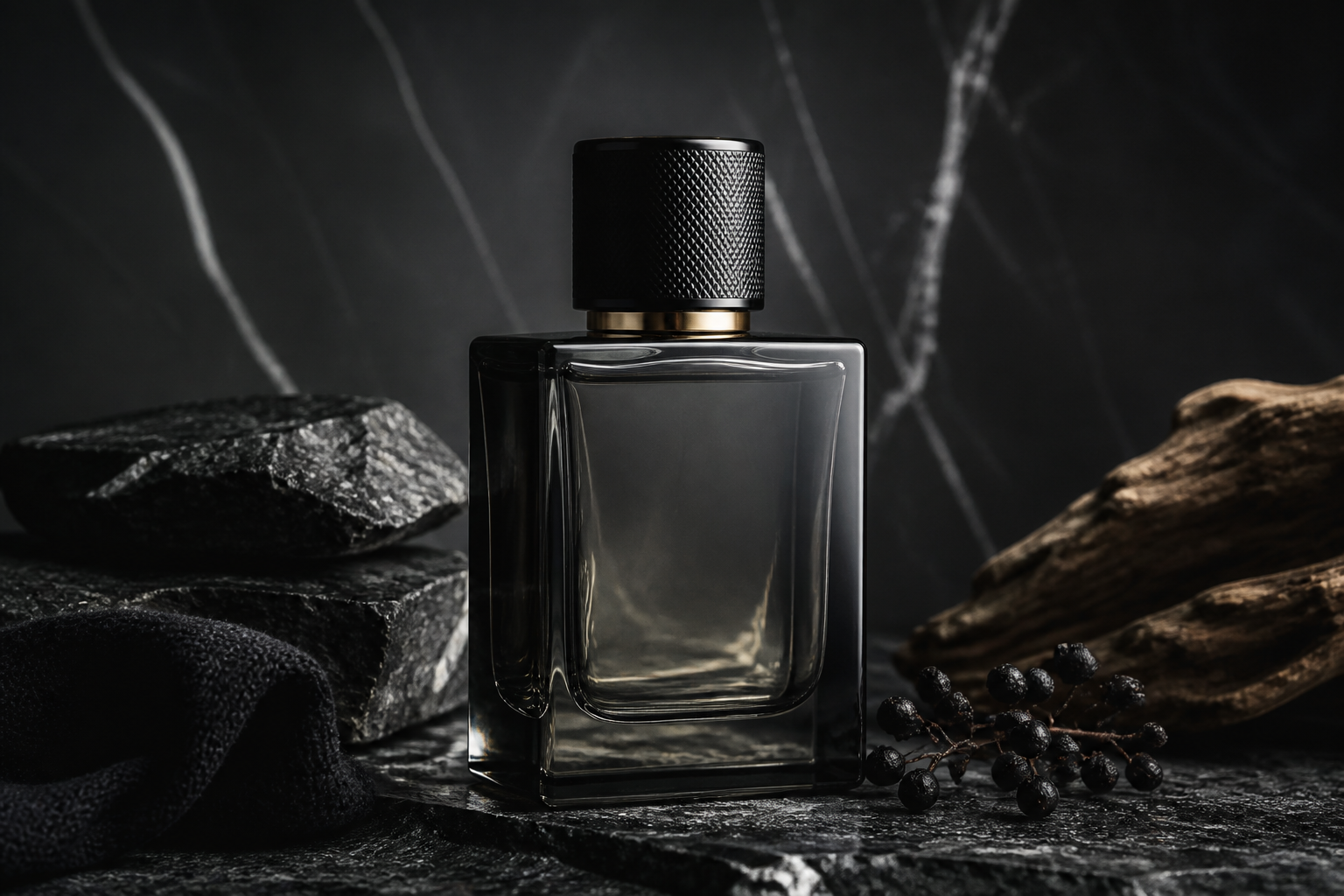
A Practical Guide to High end Men's Perfume
High end men's perfume is more than a finishing touch—it is an expression of taste, mood, and presence. With hundreds of launches each year and endless note combinations, choosing the right fragrance can feel overwhelming. This guide breaks down the essentials so you can evaluate quality, test wisely, and build a small wardrobe of scents that feel unmistakably you.
How high-end perfume is built
Understanding what’s inside the bottle helps you distinguish a refined composition from a forgettable one. Luxury fragrances usually balance artistry with technical performance, using a carefully structured “note pyramid” and a concentration that suits the concept.
- Note pyramid: Top notes introduce the scent with a quick impression; heart notes shape its character for hours; base notes anchor everything with depth and longevity.
- Concentrations: Eau de Toilette (EDT) is typically brighter and more diffusive; Eau de Parfum (EDP) often feels fuller and longer-wearing; Extrait/Parfum emphasizes richness and intimacy. Higher concentration does not always mean “better”—it should serve the idea.
- Balance and transitions: In high-end compositions, the move from top to heart to base feels coherent. Rough edges, abrupt fades, or a flat, linear profile can suggest a less crafted design.
Quality markers to look for
Because “luxury” is not a regulated term, rely on observable cues rather than marketing language. When sampling, use the checklist below to evaluate what you smell and how the fragrance behaves on your skin and clothing.
- Clarity of theme: Can you describe the idea in one line (e.g., “smoky woods with a citrus lift”)? High end scents usually have a clear, memorable throughline.
- Natural-synthetic harmony: Modern perfumery blends both. You’re listening for harmony—no screechy, chemical edges; no muddy, indistinct blur.
- Depth and texture: Nuance is a sign of quality. Smell again after 10 minutes, 1 hour, and 4 hours: do new facets appear or is the scent static?
- Projection control: Luxury often shows restraint. The scent should be present without shouting, especially in close quarters.
- Dry-down beauty: Many perfumes open nicely but collapse later. A refined base that still feels elegant at hour three or six is a strong indicator of craft.
- Consistency: Test twice on different days. The overall arc should be repeatable even as skin chemistry and weather add small variations.
The main “masculine” scent families
Any fragrance can be worn by anyone, but some families are historically popular in men’s perfumery. Use these as a map, not a boundary.
- Citrus aromatics: Bright, brisk, and versatile. Think lemon, bergamot, grapefruit with herbs like rosemary or lavender. Great everyday openers that layer well.
- Woods: Cedar, sandalwood, guaiac, and modern woody ambers. Expect warmth, structure, and a polished feel in the dry-down.
- Oriental/ambery: Resinous, vanillic, or spicy warmth. Cinnamon, labdanum, amber accords, or subtle sweetness provide evening and cold-weather comfort.
- Leather: From suede-soft to smoky-tar facets. Often paired with spice or florals for sophistication.
- Fougère: A classic barbershop DNA built around lavender, oakmoss-like effects, and coumarin. Crisp yet comforting.
- Musk: Clean-skin to sensual. In high end blends, musks add sheen and diffusion without heaviness.
- Gourmand: Edible-leaning notes (tonka, vanilla, cacao). Luxurious when balanced; too much can feel cloying, so sample with care.
Matching scent to occasion
Context matters. A fragrance that shines at a formal dinner may overwhelm an open-plan office. Use this framework to choose confidently.
- Work and daytime: Citrus aromatics, airy woods, light fougères. Look for controlled projection and a clean dry-down.
- Evening and events: Woods, leather, amber, or smooth gourmands. Richer bases feel intentional and dressy.
- Active and outdoors: Sparkling citrus or herbal lifts that refresh without lingering too sweet.
- Close-contact settings: Softer musks, suede-like leathers, or low-sillage extraits. Less is more.
How to sample like a pro
Sampling is your shortcut to smart decisions and fewer blind buys. A systematic approach reveals how a perfume will behave in real life.
- Start on blotters: Narrow the field without nose fatigue. Note quick impressions: keywords, mood, yes/no/maybe.
- Graduate to skin: Your skin chemistry can change sweetness, projection, and longevity. Test one scent per arm to avoid overlap.
- Time checkpoints: Smell at 5 minutes, 1 hour, and 4 hours. Record how the profile evolves and how far the scent radiates.
- Environment test: Wear once indoors and once outdoors. Airflow, temperature, and clothing influence perception.
- Decision rule: Buy only if you’re excited at the dry-down. If it’s only the opening you love, keep sampling.
Longevity and projection factors
High end men’s perfumes often aim for a balanced presence: noticeable but refined. Real-world wear depends on more than concentration.
- Skin moisture: Fragrance holds better on moisturized skin. Unscented lotion before spraying can help.
- Application points: Pulse points (sides of neck, chest) and a light mist on the collar or sleeve support diffusion. Avoid overspraying.
- Note materials: Citrus and green notes naturally fade faster; woods, resins, and musks tend to last longer.
- Clothing vs. skin: On fabric, scent can linger; on skin, it evolves more. Test both to tune your routine.
Building a small fragrance wardrobe
You don’t need dozens of bottles. Three to five well-chosen scents can cover nearly every scenario with polish.
- Daily driver: A versatile citrus-woody or aromatic fougère that feels effortless Monday to Friday.
- Evening statement: A deeper wood, leather, or ambery composition for dinners and events.
- Comfort scent: Smooth musks or a gentle gourmand for relaxed days and travel.
- Wild card: Something distinctive—smoky, resinous, or experimental—to keep things interesting.
- Seasonal swap (optional): A brighter summer pick and a cozier cool-weather option if your climate varies significantly.
Smart buying checklist
Use this quick list to stay focused on quality and fit.
- Define the role you’re filling (daily, evening, comfort, wild card).
- Confirm the scent family aligns with your wardrobe and lifestyle.
- Sample on skin at least twice, on different days.
- Evaluate the dry-down—do you enjoy hour three as much as minute three?
- Check projection in real environments you frequent.
- Ensure it layers comfortably with your grooming products.
- Verify you can wear it confidently without over-spraying.
Application and storage best practices
Proper care preserves the integrity of your fragrance and elevates how it wears.
- Less is more: For EDP or richer formats, start with 2–4 light sprays. Add one if needed after 4–6 hours.
- Don’t rub: Spraying then rubbing wrists can dull the opening. Let it settle naturally.
- Target zones: Sides of the neck for a discreet aura; chest for a personal cloud; a controlled fabric mist for gentle trails.
- Rotate thoughtfully: Alternating scents reduces nose fatigue and keeps each fragrance enjoyable.
- Store well: Keep bottles cool, dry, and away from direct sunlight. Avoid bathroom humidity and temperature swings.
Gifting high end men’s perfume
Perfume is a personal gift, but a few guardrails make success more likely.
- Note what he already wears: Is it fresh, woody, or warm-sweet? Choose within the same family or a close neighbor.
- Favor versatile profiles for first-time gifts: citrus-woody, aromatic fougère, or soft woody-amber.
- When unsure, start with discovery or sample sizes before committing to a full bottle.
- Consider occasion and season: daytime-friendly for frequent use; richer styles for special events.
FAQ: High end men’s perfume
What makes a men’s perfume “high end”?
There’s no single official standard, but hallmarks include a clear creative idea, smooth transitions from top to base, nuanced materials that avoid harsh edges, a refined dry-down, and controlled projection. High end scents feel cohesive rather than busy, and they remain pleasant for hours without fatigue.
EDT vs EDP vs Extrait—how should I choose?
EDT often suits bright, refreshing styles and may feel airier; EDP usually emphasizes body and longer wear; Extrait/Parfum leans intimate and rich. Pick the format that matches the role: daytime freshness (EDT), versatile signature (EDP), or close, elegant evening wear (Extrait). Performance varies by formula, so sample before deciding.
How can I make my fragrance last longer?
Moisturize skin before application, target pulse points and a light fabric mist, avoid rubbing, and store bottles away from heat and light. Choosing compositions with sturdy base notes (woods, musks, resins) can also help.
How many sprays are appropriate?
For fuller concentrations, begin with 2–4 sprays: one on the chest, one per side of the neck, and optionally a light touch on a sleeve. Adjust based on the fragrance’s natural projection and your setting.
Can men wear unisex or floral fragrances?
Absolutely. “Masculine” and “feminine” are conventions, not rules. If a composition fits your style and context, wear it confidently. Sampling across categories often reveals your most distinctive choices.
What if I’m sensitive to fragrance?
Test lightly and in well-ventilated areas. If you have known sensitivities or skin concerns, discontinue use and consult a qualified healthcare professional for personalized guidance.